
Discover the Enduring Charm of Flax lily in Your Landscape
Welcome, fellow garden enthusiasts and landscape architects! Today, we’re delving into the remarkable world of the flax lily. If you’re seeking a plant that combines striking aesthetics with unparalleled resilience, look no further. This versatile plant, scientifically known as Dianella, is an absolute gem for nearly any garden setting. Often lauded for its architectural form, vibrant foliage, and low-maintenance nature, the flax lily stands out as a top contender for both seasoned horticulturists and beginner gardeners alike. Its ability to thrive in a range of conditions, from full sun to partial shade, and its adaptability to various soil types make it an incredibly forgiving and rewarding addition to your outdoor space. Beyond its ornamental appeal, the flax lily contributes significantly to biodiversity, offering shelter and sustenance for local wildlife. We’ll explore why this plant deserves a prime spot in your planting scheme, uncovering its many attributes that make it a cornerstone of sustainable and beautiful gardening practices. Prepare to be impressed by the sheer versatility and enduring beauty of this exceptional plant. Whether you’re aiming for a drought-tolerant garden, a vibrant border, or simply a splash of year-round color, the flax lily delivers.
Understanding the full spectrum of benefits offered by the flax lily is crucial for anyone looking to create an impactful and efficient garden. Its tough, strappy leaves provide a distinctive texture that contrasts beautifully with softer, broader-leafed plants. The subtle yet charming inflorescence, often followed by attractive berries, adds an additional layer of interest throughout the seasons. This blog post will serve as your ultimate guide to harnessing the full potential of this magnificent plant. We’ll cover everything from its ideal growing conditions to its propagation, ensuring you have all the knowledge needed to successfully integrate the flax lily into your landscape. From its role in modern landscape design to its historical significance, we will paint a comprehensive picture of this indispensable plant. Get ready to transform your garden with the power and elegance of the flax lily, a truly outstanding choice for any discerning gardener.
Understanding the Dianella Flax Lily Plant: Varieties and Characteristics
The term flax lily often refers to several species within the Dianella genus, most notably Dianella tasmanica (Tasmanian Flax Lily), Dianella caerulea (Blue Flax Lily), and Dianella revoluta (Black Anzac Flax Lily). Each variety offers unique characteristics that cater to different design preferences and environmental conditions. Dianella tasmanica, for instance, is known for its broader leaves and often grows larger, making it an excellent choice for substantial ground covers or mass plantings. Its deep green foliage provides a lush backdrop in many garden designs, and it often produces attractive blue berries that add seasonal interest. This particular variety tends to prefer a bit more moisture and can tolerate shadier conditions than some of its relatives, making it adaptable to understory plantings beneath trees.
In contrast, Dianella caerulea, the blue flax lily plant, is typically more upright with narrower leaves and often displays a more pronounced blue-green hue. This species is remarkably tough and heat-tolerant, excelling in full sun exposures and drier climates. Its flowers are often a delicate blue, giving way to striking blue or purple berries that persist for an extended period. Many cultivators exist within this species, each bringing subtle variations in leaf color, height, and form, allowing for great design flexibility. Dianella revoluta is another popular choice, recognized for its sometimes recurved or ‘revolute’ leaf margins. It is also exceptionally drought-tolerant and hardy, making it a staple in xeriscaping or low-water gardens. Its foliage can sometimes take on bronze or reddish tints, especially in full sun or during cooler months, adding another layer of visual appeal. Understanding these differences is key to selecting the perfect flax lily for your specific garden needs, ensuring optimal performance and aesthetic integration into your landscape design.
Optimal Growing Conditions for Your Flax Lily Plant
To ensure your flax lily plant thrives, providing optimal growing conditions is paramount. While generally robust, understanding its preferences will unlock its full potential. Most flax lily varieties prefer a well-draining soil, thriving in sandy or loamy compositions. Heavy clay soils, especially those that retain too much moisture, can lead to root rot, a common issue for many plants. If your soil is primarily clay, incorporating organic matter like compost or well-rotted manure can significantly improve drainage and aeration. This simple step can make a substantial difference in the long-term health and vigor of your flax lily.
When it comes to light, the flax lily exhibits remarkable versatility. Many varieties can tolerate a wide range, from full sun to partial shade. However, their performance often varies based on the specific species and local climate. In hotter, more arid regions, some afternoon shade can protect the foliage from scorching, preserving its vibrant color and preventing stress. Conversely, in cooler or more temperate climates, full sun typically encourages denser growth and more prolific flowering and fruiting. Observe your plants and adjust their placement or consider providing filtered light if you notice signs of stress, such as yellowing or browning leaves. Water requirements for the flax lily are moderate. Once established, these plants are remarkably drought-tolerant, making them ideal for water-wise gardens. During their establishment period, typically the first year after planting, regular watering is crucial to encourage deep root development. Thereafter, supplemental watering is usually only needed during extended dry spells or periods of extreme heat. Always allow the soil to dry out slightly between waterings to prevent overwatering, which, as mentioned, can be detrimental. Applying a layer of mulch around the base of the plant can help retain soil moisture, suppress weeds, and regulate soil temperature, creating an even more favorable environment for your flax lily plant to flourish.

Designing with the Flax Lily: Landscaping Ideas and Pairings
Integrating the flax lily into your landscape design opens up a world of creative possibilities. Its architectural form and year-round appeal make it an invaluable asset for various garden styles. One of the most effective ways to utilize flax lily is in mass plantings. Its uniform growth habit and consistent foliage provide a strong foundational element, perfect for creating visually impactful borders, defining pathways, or filling large garden beds. When planted in repetition, the flax lily creates a rhythmic pattern that can guide the eye through the garden, adding a sense of cohesion and order. Consider planting different varieties together to create subtle textural or color contrasts, such as pairing the broader-leafed Dianella tasmanica with the finer-textured Dianella caerulea.
The flax lily also shines as a specimen plant, particularly in rock gardens or contemporary designs where its structural elegance can be highlighted. Its upright, strappy leaves offer a striking contrast to softer, mounding plants or broad-leafed evergreens. For a truly dynamic look, pair flax lily with plants that have contrasting textures and forms. For instance, the feathery plumes of ornamental grasses like Liriope or the broad, succulent leaves of Agave can create compelling visual interest alongside the flax lily’s linear foliage. Additionally, consider plants with complementary flower colors. The blue or purple berries of many flax lily varieties pair beautifully with yellow, orange, or white flowering plants, creating vibrant garden scenes throughout the year. For shade gardens, consider pairing flax lily with ferns or hostas for a lush, layered look. In sunny, drought-tolerant landscapes, integrate it with lavenders, rosemary, or various sedums. The versatility of the flax lily extends beyond just ground planting; it can also be effectively used in large containers or pots, bringing its distinctive charm to patios, balconies, or entryways. Its resilience makes it an excellent choice for public spaces, commercial landscapes, and slopes where erosion control is a concern. The flax lily’s adaptability to coastal conditions also makes it a valuable plant for seaside gardens, standing up to salt spray and sandy soils. By thoughtfully selecting companion plants and considering placement, you can harness the full design potential of the flax lily, creating a garden that is both beautiful and sustainable.
Caring for Your Flax Lily: Maintenance Tips for Longevity
Maintaining your flax lily is remarkably straightforward, contributing to its popularity as a low-maintenance landscape plant. Minimal intervention is often the key to its longevity and vibrant appearance. Pruning is rarely necessary for health, typically only required to remove any old, damaged, or unsightly foliage. These yellowed or brown leaves can be snipped off at the base of the plant using sharp, clean secateurs. This simple act of grooming not only improves the plant’s aesthetic but also encourages new, fresh growth from the basal crown. Some gardeners choose to cut back the entire plant every few years to rejuvenate it, especially if it has become leggy or overgrown. This can be done in late winter or early spring before the onset of new growth, cutting the foliage back to about 6 inches from the ground. While this might seem drastic, the flax lily is incredibly resilient and will quickly bounce back with a flush of new leaves.
Fertilization for the flax lily is generally not a critical concern, especially if planted in good soil. These plants are not heavy feeders and can often thrive with the nutrients already available in the garden bed. However, if your soil is particularly poor or if you desire to boost growth and vitality, a light application of a slow-release, balanced granular fertilizer in early spring can be beneficial. Avoid over-fertilizing, as this can lead to excessive foliar growth at the expense of flowers and berries, and can also be detrimental to the overall health of the plant. A thin layer of compost applied around the base annually can serve as a gentle, natural fertilizer while also improving soil structure. Pests and diseases are rarely an issue for the flax lily, thanks to its inherent toughness. Occasionally, you might encounter common garden pests like aphids, but these are often easily managed with a strong spray of water or an organic insecticidal soap. Root rot is the primary concern, but this is almost entirely preventable by ensuring proper drainage and avoiding overwatering. By following these simple maintenance guidelines, your flax lily will remain a healthy, attractive, and long-lived feature in your garden for many years, providing continuous enjoyment with minimal effort.
Propagation and Pests: Ensuring a Healthy Flax Lily
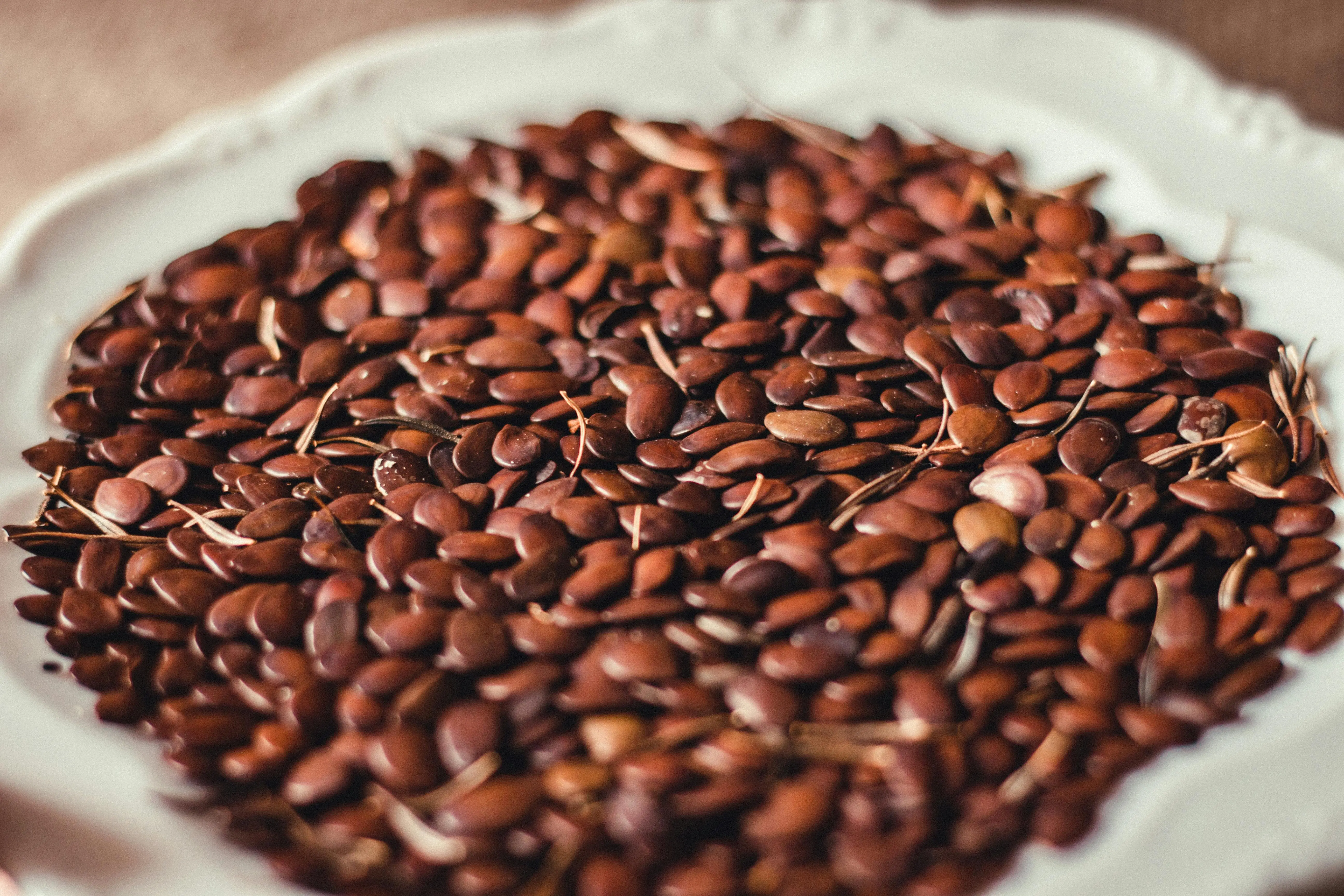
Propagating your flax lily plant is an excellent way to expand your collection or share these resilient beauties with friends. The most common and effective method for propagation is division. This is best done in late winter or early spring, just before the plant enters its active growth phase. To divide a flax lily, carefully dig up the entire clump, ensuring you get as much of the root ball as possible. Gently tease apart the individual plants or cut through the root ball with a sharp spade or knife, ensuring each section has a healthy portion of roots and foliage. Replant these divisions at the same depth as the original plant and water them thoroughly to help them establish. Division not only gives you more plants but can also rejuvenate older, overcrowded clumps, improving their vigor and overall appearance. Some varieties of flax lily can also be grown from seed, although this process is generally slower and more unpredictable, often leading to variations in the offspring plants. If you choose to grow from seed, collect the berries when ripe, remove the fleshy outer layer, and sow the seeds in a well-draining propagating mix. Germination can be erratic and may take several weeks to months, so patience is key.
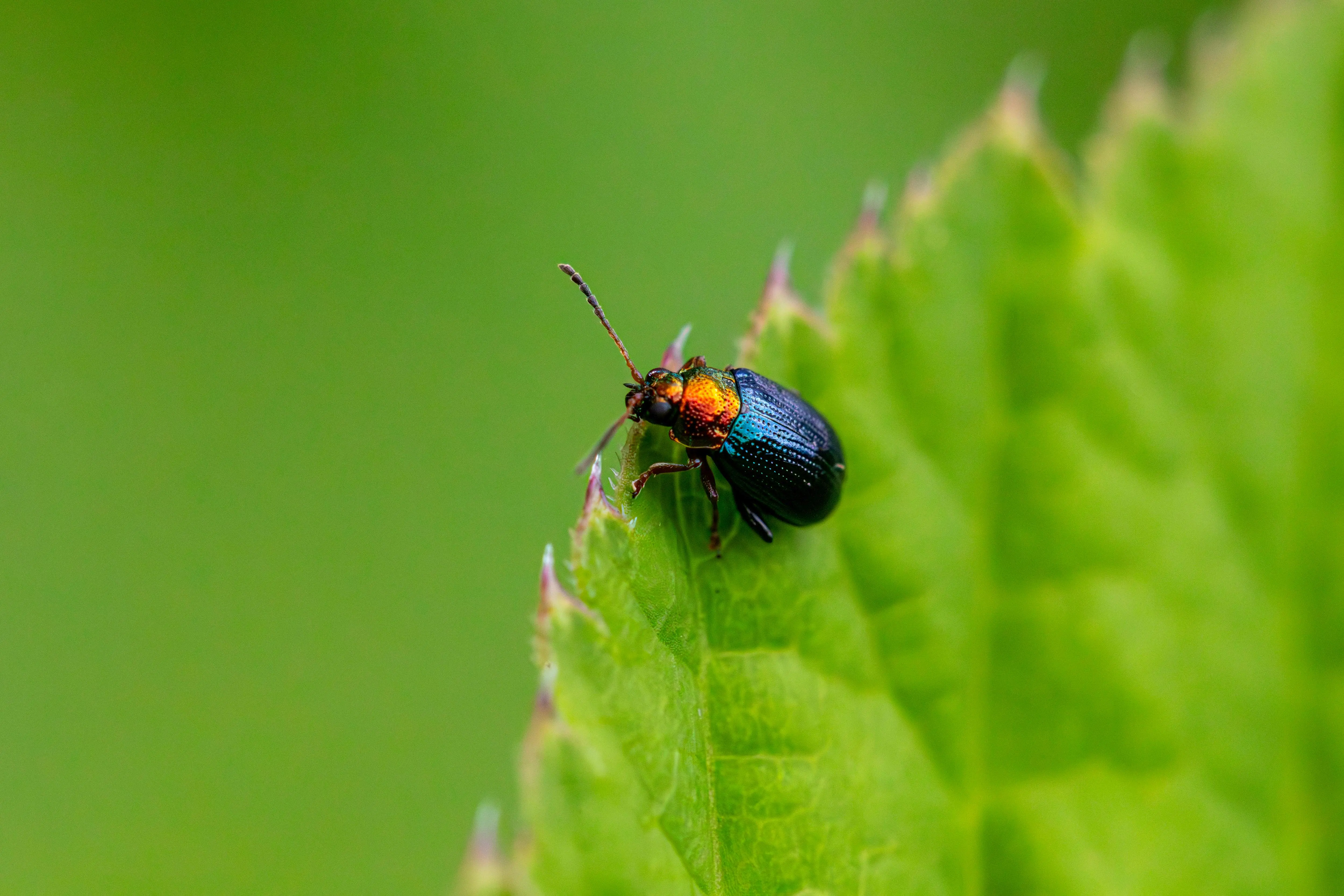
Regarding pests and diseases, the flax lily is remarkably robust and generally trouble-free, which is another reason for its wide appeal. Serious pest infestations are rare. Occasionally, common garden pests such as mealybugs or scale insects might appear, particularly in stressed plants or those in sub-optimal conditions. These can typically be managed with horticultural oil sprays or by simply dislodging them with a strong jet of water. Maintaining good air circulation and avoiding overcrowding can also help prevent potential pest issues. As previously mentioned, the most significant threat to the flax lily’s health is often related to moisture: root rot caused by prolonged waterlogging. This is why excellent drainage is paramount. Beyond this, ensuring your plant receives adequate light and occasional clearing of dead foliage will go a long way in keeping it healthy and resistant to most problems. By adhering to these simple care practices, you can enjoy a vibrant and flourishing flax lily with very little fuss.
Flax Lily in the Ecosystem: Environmental Benefits
Beyond its aesthetic appeal and ease of care, the flax lily offers significant environmental benefits that contribute to a healthier garden ecosystem. Its dense, fibrous root system is highly effective in stabilizing soil, making it an excellent choice for erosion control on slopes, embankments, or in areas prone to soil runoff. This natural ability to bind soil particles not only prevents loss of precious topsoil but also helps to filter water, reducing sediment and nutrient pollution in waterways. For gardeners aiming to create more sustainable landscapes, the flax lily is an invaluable asset.
Furthermore, flax lily varieties are remarkably drought-tolerant once established. This characteristic makes them perfect for xeriscaping and water-wise gardening, significantly reducing the need for supplemental irrigation. In an era where water conservation is increasingly vital, choosing plants like the flax lily can lead to substantial savings on water bills and reduce demand on local water resources. By incorporating these plants, you are actively contributing to environmental stewardship and promoting sustainable landscape practices. The flax lily also plays a role in supporting local biodiversity. Its delicate flowers, often appearing in spring and summer, provide a nectar source for various pollinators, including bees and small butterflies. While perhaps not as flashy as some other flowering plants, these subtle blooms are a valuable food source for beneficial insects. Following the flowers, many flax lily species produce striking blue or purple berries. These berries are an important food source for native birds, which in turn help to disperse the seeds, aiding in natural propagation and ecosystem health. By choosing to plant flax lily, you’re not just enhancing your garden’s beauty; you’re also fostering a more resilient and biodiverse environment, supporting the delicate balance of your local ecosystem.
Flax Lily FAQs
What is the best type of flax lily plant for full sun?
For full sun conditions, especially in hotter climates, Dianella caerulea varieties, often known as the Blue Flax Lily, are excellent choices. They are exceptionally tough and heat-tolerant, thriving in sunny exposures and well-drained soil. Many specialized cultivars within this species are bred for their ability to withstand intense sun.
Is the flax lily plant drought-tolerant?
Yes, most flax lily species, particularly once established, are highly drought-tolerant. They are ideal for water-wise gardening and xeriscaping. During their first year, however, regular watering is crucial for developing a strong root system.
How big does a flax lily typically grow?
The size of a flax lily can vary significantly depending on the species and cultivar. Some compact varieties might only reach 1-2 feet in height and width, while larger species like Dianella tasmanica can grow up to 3 feet tall and wide. Always check the specific characteristics of the variety you choose.
Do flax lilies attract pests?
Flax lilies are generally resistant to most pests and diseases. They are known for their hardiness. Occasionally, common garden pests like aphids or mealybugs might appear, but serious infestations are rare and usually easy to manage with simple organic solutions.
Can I grow flax lily in pots or containers?
Absolutely! Flax lilies are excellent choices for container gardening. Their upright, architectural form adds a sophisticated touch to patios, balconies, or entryways. Ensure the container has good drainage holes and use a high-quality potting mix.
Embrace the Resilient Beauty of the Flax Lily
In conclusion, the flax lily is more than just another pretty face in the garden. It is a powerhouse of resilience, beauty, and ecological benefit, offering a compelling package for any landscape designer or home gardener. From its striking architectural form and diverse foliage colors to its impressive drought tolerance and low maintenance requirements, this plant truly delivers on multiple fronts. We’ve explored the various species, their ideal growing conditions, and how to effectively integrate them into your garden design, emphasizing their versatility in both full sun and partial shade environments. We hope you’ve gained a deeper appreciation for the tough yet elegant nature of the Dianella genus and the specific benefits of cultivating the reliable flax lily plant.
By choosing to incorporate flax lily, you’re not just planting a robust ornamental; you’re investing in a piece of living art that contributes to soil stability, conserves water, and supports local wildlife. Its ability to thrive with minimal fuss makes it a smart choice for busy gardeners seeking maximum impact with minimal effort. Whether you’re designing a modern urban garden, a sprawling drought-tolerant landscape, or a vibrant mixed border, the flax lily offers unparalleled opportunities for creating visually stunning and sustainable outdoor spaces. Don’t hesitate to give this remarkable plant a prime spot in your next planting endeavor. Discover the transformative power of the flax lily and watch your garden flourish with enduring beauty and effortless grace. Your garden, and the local ecosystem, will thank you for it!