
Considering expanding your living space? Understanding the various elements that influence home addition cost is crucial for any homeowner. A home addition can significantly increase your property value and improve your quality of life, but it’s a substantial investment that requires careful planning. From the initial design phase to the final touches, numerous factors contribute to the overall expenditure. This comprehensive guide will break down the key components of home addition cost, helping you budget effectively and make informed decisions about your renovation project. Whether you’re dreaming of an extra bedroom, a larger kitchen, or a dedicated home office, knowing what to expect financially will set you up for success.
Key Factors Influencing Home Addition Cost
The total home addition cost is rarely a simple figure. Several interconnected factors play a significant role. The size and scope of your addition are paramount; a small bump-out will naturally cost less than a multi-story extension. The type of room also matters – adding a bathroom or kitchen requires extensive plumbing and electrical work, driving up costs compared to a simple bedroom. Additionally, the quality of materials selected, from flooring to fixtures, directly impacts the budget. High-end finishes and custom designs come with a premium price tag. Labor costs, which vary by region and contractor experience, further contribute to the overall expense, making it essential to obtain multiple quotes.

Breaking Down the Budget: What to Expect
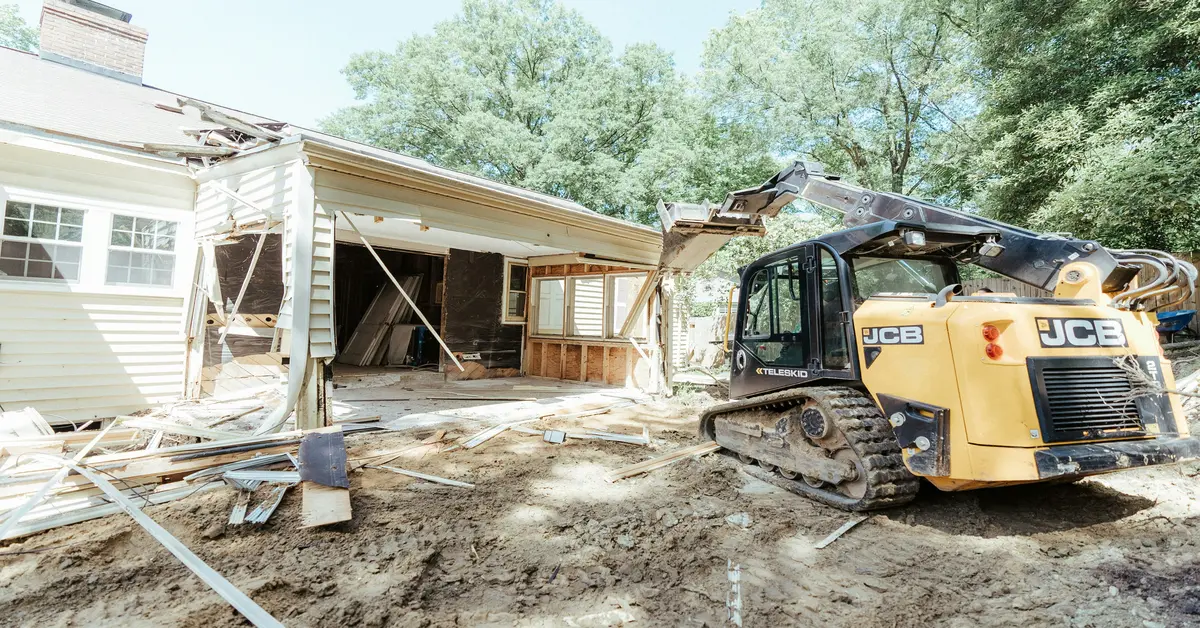
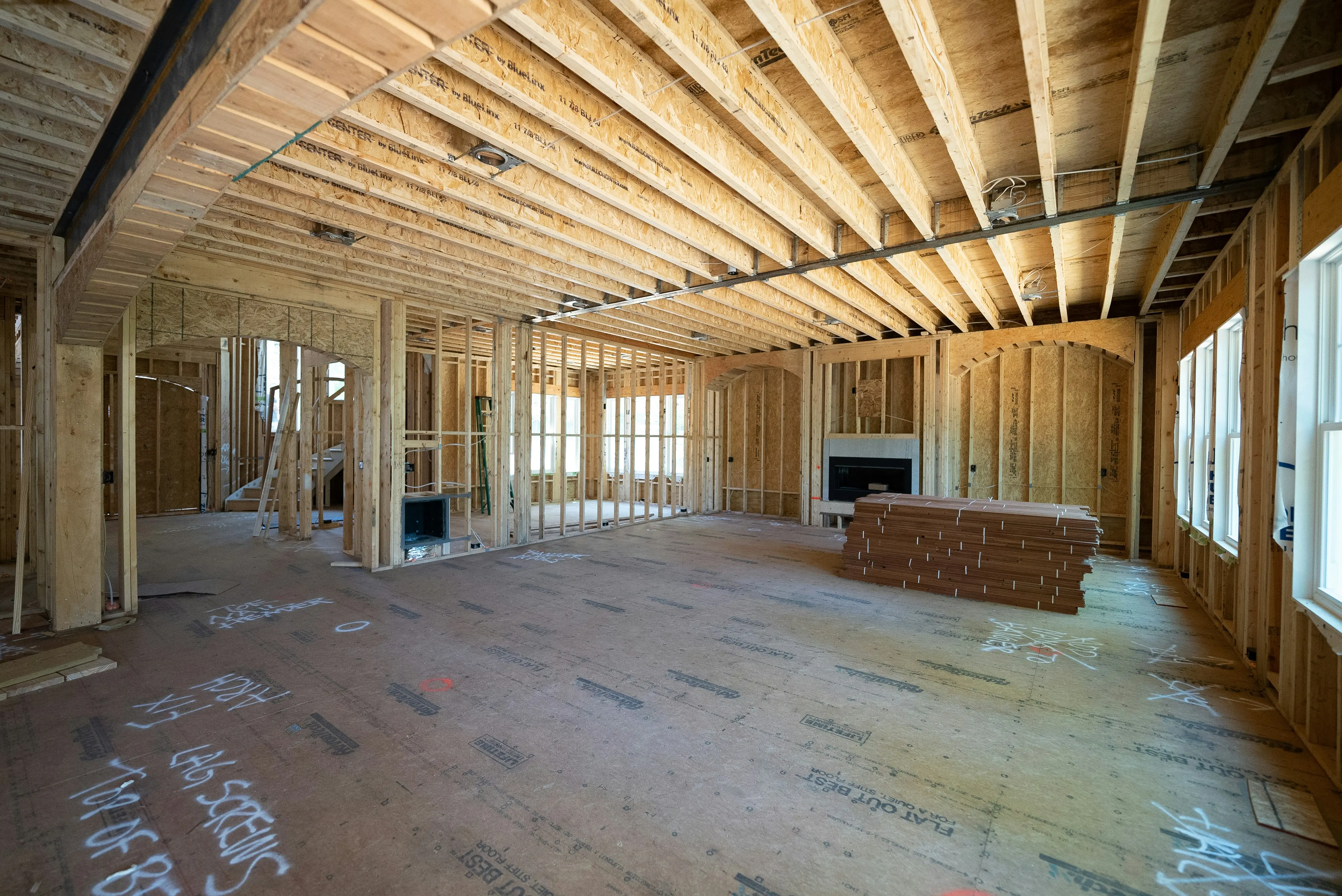
When planning for your home addition cost, it’s helpful to categorize expenses. “Hard costs” include materials, labor, and equipment rental. These are the tangible expenses directly related to construction. “Soft costs,” on the other hand, cover architectural drawings, engineering fees, permits, and inspections. These can sometimes be overlooked but are essential for legal and structural integrity. Site preparation, including demolition or excavation, might also add to the initial costs. Don’t forget about utility connections and potential upgrades to your existing HVAC or electrical systems, which are often necessary to accommodate the new space. Always allocate a contingency fund, typically 10-20% of your total budget, to cover unforeseen issues.

Permits, Professionals, and Project Management
Navigating the permit process is a critical step in any home addition project. Local building codes dictate what is permissible, and obtaining the necessary permits is non-negotiable. This often involves fees that contribute to your overall home addition cost. Engaging experienced professionals like architects, structural engineers, and reputable contractors is vital. Their expertise ensures the addition is structurally sound, code-compliant, and aesthetically pleasing. A good project manager, whether it’s your contractor or a dedicated professional, will oversee schedules, budgets, and communication, making the process smoother and more efficient.
Minimizing Home Addition Cost Without Compromising Quality
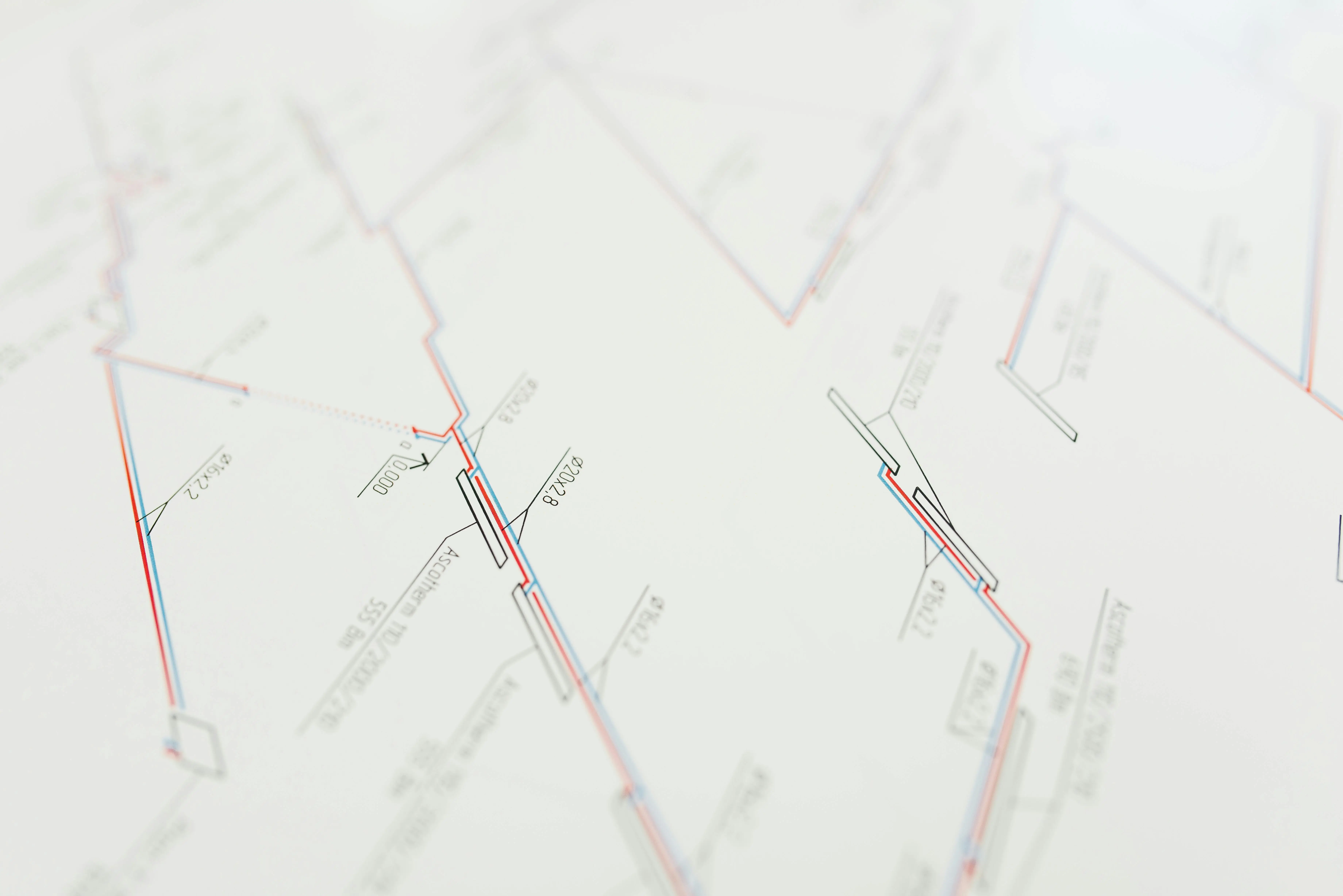
While cutting corners is never advisable, there are smart ways to manage and potentially reduce your home addition cost. Consider simplifying the design – complex rooflines or unusual angles can significantly increase material and labor expenses. Opt for standard-sized windows and doors over custom options. Research and select durable, mid-range materials that offer good value without breaking the bank. If you’re comfortable with DIY tasks, undertaking minor finishing touches yourself, like painting or trim work, can save on labor costs. However, always leave structural, electrical, and plumbing work to licensed professionals for safety and code compliance.
Home Addition Cost: Regional Variations and Market Trends
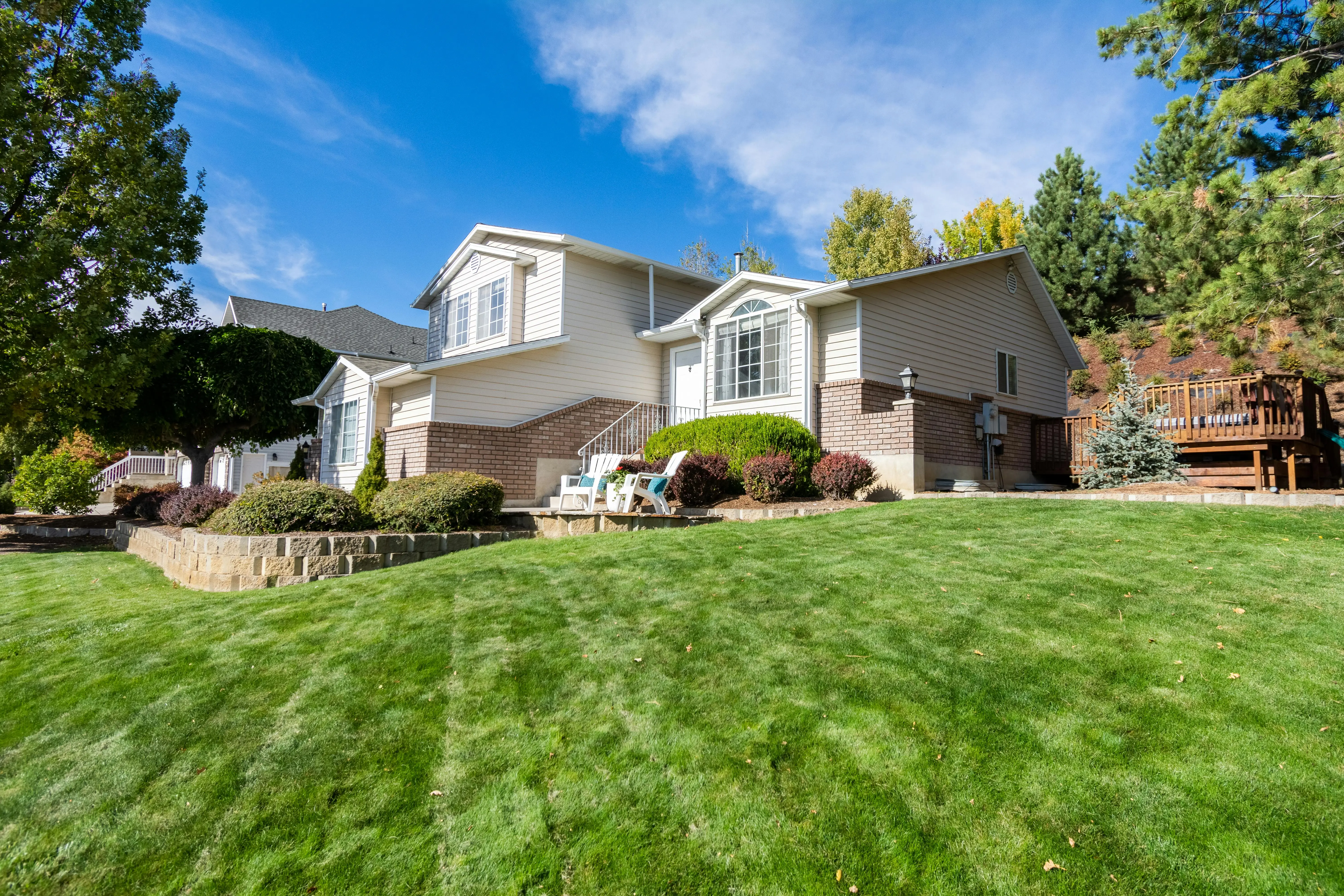
It’s important to recognize that home addition cost can vary significantly based on your geographical location. Factors like local labor rates, material availability, and permit fees differ from one city or state to another. Metropolitan areas typically have higher costs compared to rural regions. Furthermore, market trends, such as fluctuating material prices or high demand for construction services, can impact your budget. Researching local contractors and understanding current market conditions will provide a more accurate estimate for your specific area. Always compare quotes from several reputable local contractors to get the best value.
FAQ About Home Addition Cost
What is the average home addition cost?
The average home addition cost varies widely, typically ranging from $80,000 to $200,000 or more, depending on size, complexity, and location.
Do I need an architect for a home addition?
For most significant home additions, hiring an architect or a design-build firm is highly recommended to ensure proper design, structural integrity, and code compliance.How long does a typical home addition take?
A typical home addition project can take anywhere from 3 to 6 months to complete, including design, permitting, and construction, though larger projects may take longer.What permits are required for a home addition?
Common permits include building permits, electrical permits, plumbing permits, and sometimes zoning permits, depending on your local municipality’s regulations.How can I finance my home addition?
Common financing options include home equity loans, HELOCs (Home Equity Lines of Credit), cash-out refinances, or personal loans.
Conclusion: Investing in Your Home’s Future
Understanding the intricacies of home addition cost is the first step toward a successful renovation project. While it represents a significant investment, a well-planned and executed home addition can dramatically enhance your living space, add valuable square footage, and substantially increase your property’s market value. By carefully considering all the contributing factors – from design and materials to labor and permits – you can create a realistic budget and avoid unexpected expenses. Remember to prioritize quality and work with experienced professionals to ensure your new space is not only beautiful but also safe and durable. Plan wisely, invest smartly, and enjoy the benefits of your expanded home for years to come.