
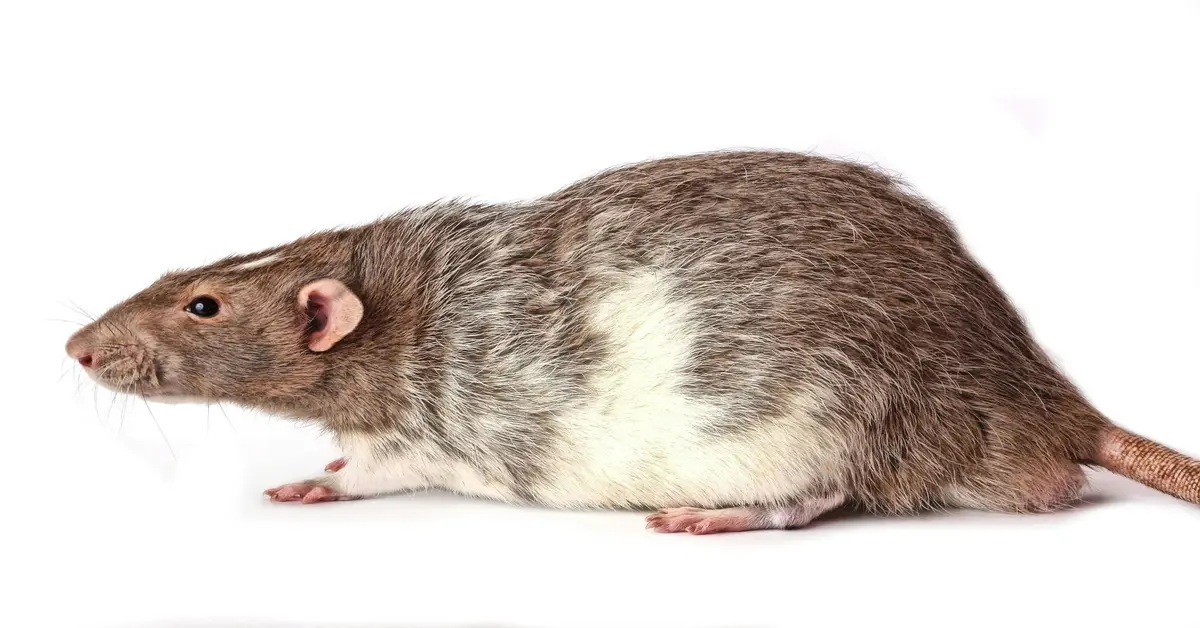

Dealing with a rat infestation can be a truly unsettling experience. These persistent pests not only contaminate food and surfaces but can also carry diseases and cause significant damage to your property. Knowing how to catch a rat effectively is crucial for maintaining a healthy and safe environment. This guide will walk you through the most reliable methods, from prevention to trapping, ensuring you reclaim your home from these unwelcome guests.
Rats are highly adaptable creatures, making them a formidable foe for homeowners. However, with the right strategies and a bit of patience, you can successfully eliminate them. We’ll explore various approaches, including traditional traps, modern solutions, and essential exclusion techniques. By understanding their behavior and implementing targeted tactics, you’ll be well-equipped to tackle any rat problem head-on.
Understanding Rat Behavior and Identifying Infestations
Before you can successfully implement strategies on how to catch a rat, it’s vital to understand their behavior. Rats are nocturnal, so you might not see them during the day. Common signs of an infestation include droppings (small, dark pellets), gnaw marks on food packaging, wires, or wooden structures, and greasy rub marks along walls or baseboards where they frequently travel. You might also hear scratching or scurrying noises in walls or attics, especially at night.
Rats are intelligent and cautious, often avoiding new objects in their environment for a few days. This ‘neophobia’ means that simply placing a trap might not yield immediate results. Identifying their main pathways and nesting areas is key to effective trapping. Look for undisturbed spots, usually in dark, secluded areas close to food and water sources. Understanding these behaviors will significantly improve your chances of success when setting traps.

Choosing the Best Bait for Rat Trap Success
The success of your trapping efforts hinges significantly on selecting the best bait for rat trap. While cheese is a common misconception, rats are actually more attracted to high-calorie, sugary, or fatty foods. Peanut butter is often considered one of the most effective baits due to its strong aroma and sticky consistency, which makes it harder for rats to steal without triggering the trap.
Other excellent bait options include soft candies (like gummy bears), dried fruit, seeds, and even nesting materials like cotton balls or dental floss. The key is to use a small amount – just enough to entice them without allowing them to consume it entirely without engaging the trap. Rotate bait types if you find rats are consistently avoiding your traps, as they can become wary of certain foods.

Effective Trapping Methods: snap traps vs. live traps
When considering how to catch a rat, you generally have two main types of traps: snap traps and live traps. Snap traps are designed to kill rats instantly and are often the most humane and effective option when placed correctly. For snap traps, position them perpendicular to walls where rats are known to travel, with the trigger plate facing the wall.
Live traps, on the other hand, capture rats unharmed, allowing for their release elsewhere. If you choose live traps, be prepared to release the rat several miles away from your home to prevent its return. Both types require careful handling and placement. Always wear gloves when setting and handling traps to avoid transferring human scent, which can deter rats.

How Do You Get Rid of Rodents: Prevention and Exclusion
Beyond trapping, a crucial part of knowing how do you get rid of rodents permanently involves prevention and exclusion. Seal all potential entry points into your home, no matter how small. Rats can squeeze through surprisingly tiny gaps, sometimes as small as a quarter-inch. Use steel wool, hardware cloth, or cement to seal cracks in foundations, gaps around pipes, and openings near utility lines.
Maintain a clean environment by storing food in airtight containers, promptly cleaning up crumbs and spills, and regularly emptying trash cans. Keep your yard tidy by trimming vegetation away from your house, stacking firewood away from the foundation, and eliminating clutter that could provide shelter for rodents. These preventative measures create an inhospitable environment, discouraging rats from taking up residence.

FAQ: Your Top Questions on Rat Control Answered
How long does it take to catch a rat once traps are set?
It can vary. Rats are cautious, so it might take a few days for them to approach new traps. If using bait, pre-baiting unset traps for a few nights can increase success.
What are signs of a major rat infestation?
Frequent sightings during the day, numerous droppings, strong urine odors, and extensive gnaw marks are indicators of a significant infestation.
Is it safe to handle dead rats with bare hands?
No, always wear gloves and use a plastic bag to dispose of dead rats to prevent exposure to diseases.
Can essential oils deter rats?
While some essential oils like peppermint or clove are said to deter rats, their effectiveness is often temporary and not a reliable long-term solution.
When should I call a professional pest control service?
If your efforts to catch a rat are unsuccessful after a few weeks, or if you suspect a large or persistent infestation, it’s best to contact a professional.

Conclusion: Reclaim Your Home from Rodents
Mastering how to catch a rat requires a combination of understanding rodent behavior, choosing the right tools, and implementing consistent prevention strategies. By utilizing effective traps with the best bait for rat trap, sealing entry points, and maintaining a clean environment, you can significantly reduce and eliminate rat populations in your home. Remember, patience and persistence are key to success.
Don’t let these pests compromise your health and property. Take action today to implement these proven methods and secure your living space. Reclaim your peace of mind and enjoy a rodent-free home with these comprehensive strategies. For ongoing issues, always consider professional pest control services to ensure complete eradication.