
ink marks on your cherished leather items can be a source of frustration, making you wonder if that elegant sofa, designer handbag, or favorite pair of shoes is forever marred. But don’t despair! Learning how to remove ink from leather is a valuable skill that can save your beloved possessions. While it might seem like a daunting task, with the right approach and a bit of patience, many ink stains can be successfully minimized, if not entirely eradicated. The key lies in understanding the type of leather you’re dealing with, the age of the stain, and applying appropriate, gentle techniques.
Leather is a durable yet delicate material, and aggressive cleaning methods can cause more harm than good, leading to discoloration, damage to the finish, or even cracking. This comprehensive guide will walk you through proven strategies for effective stain removal from leather, focusing specifically on ink. We’ll cover everything from immediate action to more intensive treatments, ensuring you have the knowledge to tackle these pesky marks confidently. By following these expert tips, you’ll be well-equipped to restore your leather items to their pristine condition, preserving their beauty and extending their lifespan. Get ready to transform those ink blotches into a thing of the past.
Understanding Leather Types & Ink Stains
Before you begin any stain removal from leather, it’s crucial to identify the type of leather you’re working with. Different leather finishes react differently to cleaning agents. For instance, finished leather, which often has a protective coating, is generally more resilient to cleaning than unfinished or aniline leather. Unfinished leather, being more porous, absorbs liquids readily and requires a much gentler approach to avoid permanent damage or water spots. Always consult the care label if available, or if unsure, perform a patch test in an inconspicuous area first.
The type of ink also plays a significant role. Ballpoint pen ink, gel pen ink, and permanent marker ink each have different chemical compositions, influencing their removal difficulty. Ballpoint ink, being oil-based, tends to sit more on the surface, making it somewhat easier to remove if fresh. Gel pen ink can be more stubborn, while permanent markers are notoriously difficult due to their strong dyes and quick-drying nature. The age of the stain is another critical factor; fresh ink stains are always easier to remove than dried, set-in marks, as the ink hasn’t had as much time to bond with the leather fibers. Acting quickly and correctly is paramount when confronting an ink mark on leather.
Patch Testing: Your First Line of Defense
Regardless of the method you choose for how to remove ink from leather, a patch test is non-negotiable. Select a small, hidden area of the leather, such as the back of a cushion, an inside seam, or the underside of an armrest. Apply a tiny amount of your chosen cleaning agent to this spot using a cotton swab. Gently dab it onto the leather and observe for any adverse reactions, such as discoloration, fading, darkening, or damage to the finish. Wait at least 15-30 minutes, or even longer, to ensure there are no delayed reactions. If the area remains unchanged, you can proceed with confidence to the visible stain. If you notice any negative changes, discontinue use immediately and seek an alternative method, or consider professional cleaning. This simple step can save your valuable leather item from irreversible damage.
Immediate Action for Fresh Ink Stains
When ink spills, speed is your greatest ally. For fresh ink stains, the goal is to absorb as much of the liquid ink as possible before it fully penetrates the leather fibers. The quicker you act, the higher your chances of complete stain removal from leather. Do not rub the ink, as this will only spread it further and push it deeper into the leather. Instead, blot gently, working from the outside of the stain inwards to prevent expansion.
Start by using a clean, dry, white cloth or paper towel. Gently press it onto the ink mark to absorb the excess. You can also carefully use a sticky tape (like Scotch tape) to lift some of the ink, pressing it down lightly on the stain and then carefully peeling it off. Be very gentle to avoid damaging the leather surface. After the initial blotting, lightly dampen a clean white cloth with rubbing alcohol or hairspray. Dab, don’t rub, the stained area. Rubbing alcohol is often effective on ballpoint ink. Repeat with clean sections of the cloth until no more ink transfers. Finish by wiping the area with a damp cloth to remove any residue, and then dry with a clean cloth. Conditioning the leather afterward is essential to replenish moisture. This swift response can make a significant difference in the ease of how to clean ink stains from leather.
Targeted Solutions for Dried Ink Stains
Dried ink stains present a greater challenge than fresh ones, but they are not impossible to remove. For these stubborn marks, you’ll need more targeted approaches. Remember to perform a patch test first for any of these methods. One effective method for how to remove ink from leather is using isopropyl alcohol (rubbing alcohol). Apply a small amount to a clean cotton swab or white cloth. Gently dab the ink stain, working from the outer edges inward. Do not rub vigorously, as this can spread the ink and damage the leather finish. As the ink transfers to the swab, replace it with a clean one to avoid re-depositing the ink. Continue dabbing until the stain is gone or significantly faded.
Another option, particularly for ballpoint pen ink, is a non-gel toothpaste (white, not colored!). Apply a tiny dab of toothpaste to the stain with your finger. Gently rub it into the stain using a soft cloth in a circular motion. The mild abrasive in the toothpaste can help lift the ink. Wipe away with a clean, damp cloth and then dry. For tougher stains, a specialized leather cleaner designed for ink removal can be very effective. These products are formulated to be safe for leather and often contain solvents specifically tailored to break down ink pigments. Always follow the manufacturer’s instructions precisely, and condition the leather after cleaning to restore its suppleness and shine.
Professional & DIY Leather Ink Removers
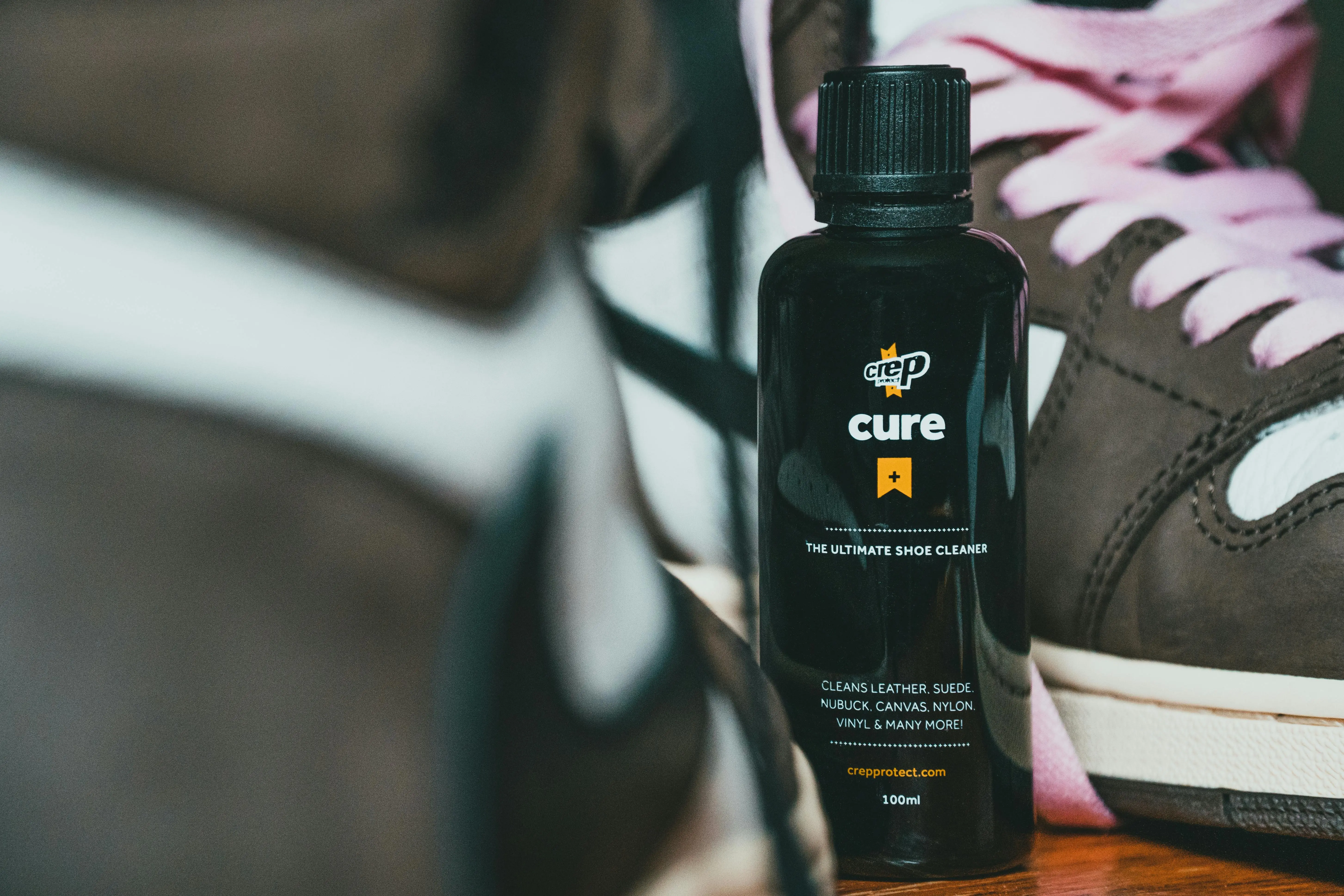
When it comes to specialized products for how to remove ink from leather, several options are available. Leather ink removers are formulated with solvents that break down ink pigments without damaging the leather finish, assuming they are used correctly. Brands like Leather Honey, Furniture Clinic, and Guardsman offer repute-able ink remover kits. These kits often include a cleaning solution, an ink removing stick or pen, and a conditioner. Always read the instructions carefully and perform a patch test in an inconspicuous area before applying to the main stain. Apply the product sparingly using the provided applicator or a clean cotton swab, gently dabbing the stain. Avoid aggressive rubbing.
For DIY alternatives, besides rubbing alcohol and toothpaste, you might also consider nail polish remover (acetone-free). Acetone can be very damaging to many leather finishes, so if you choose this route, absolutely ensure it’s acetone-free and perform a thorough patch test. Apply a tiny amount to a cotton swab and gently dab the stain. Follow up immediately with a damp cloth and then dry. Another often-cited DIY method is using hairspray, which contains alcohol and polymers that can break down ink. Spray a small amount onto a clean cloth, then dab the stain. While these DIY options can be effective, they require extreme caution and a diligent patch test. When in doubt, a professional leather cleaner is always the safest bet, especially for valuable or heirloom pieces.
Post-Cleaning Leather Care and Conditioning
After successfully learning how to remove ink from leather, the most crucial step is proper aftercare. Cleaning agents, even mild ones, can strip natural oils and moisture from the leather, leaving it dry, stiff, and prone to cracking. Conditioning your leather immediately after cleaning replenishes these vital oils, restoring its softness, flexibility, and natural luster. Use a high-quality leather conditioner suitable for your specific type of leather. Apply a small amount of conditioner to a clean, soft cloth.
Gently rub the conditioner into the leather in circular motions, ensuring even coverage over the entire cleaned area and surrounding sections. Allow the conditioner to penetrate the leather for the recommended time (usually 10-15 minutes), then buff off any excess with a separate clean, dry cloth. This process not only rehydrates the leather but also helps to create a protective barrier, making it more resistant to future spills and stains. Regular conditioning, even when no stains occur, is essential for maintaining the longevity and beauty of all your leather possessions. By prioritizing post-cleaning care, you ensure that your efforts in how to clean ink stains from leather result in a truly restored item.

Preventative Measures for Leather Protection
Prevention is always better than cure, especially when it comes to preserving the pristine condition of your leather items. Taking simple preventative steps can significantly reduce the likelihood of having to tackle challenging ink stains in the first place. One of the most effective measures is to regularly apply a leather protector or sealant. These products create an invisible barrier on the leather surface, making it more resistant to liquid absorption, including ink. Many leather protectors offer UV protection as well, preventing fading over time. Always choose a protector appropriate for your leather type and follow the application instructions carefully, performing a patch test first.
Another practical tip for how to clean ink stains from leather is to be mindful of where you place pens and markers. Avoid leaving uncapped pens near leather furniture, bags, or clothing. Use pen holders or zippered compartments in bags to secure writing instruments. Educate household members, especially children, about the delicate nature of leather and the importance of keeping ink away from it. For leather furniture, consider using throws or slipcovers in high-traffic areas, or creating designated ‘no-pen’ zones. By implementing these simple habits and using protective products, you can significantly minimize the risk of ink mishaps and ensure your leather items remain beautiful for years to come, reducing the need for intensive how to remove ink from leather interventions.
FAQ: How to Remove Ink from Leather
How do I remove old, dried ink from leather?
For old, dried ink, immediate action with rubbing alcohol or specific leather ink remover is usually the most effective approach. Apply a small amount to a cotton swab and gently dab, don’t rub, the stain. Replace the swab frequently. For very stubborn stains, a professional leather cleaning service might be necessary to avoid damaging the leather.
Can hairspray really remove ink from leather?
Hairspray can sometimes remove ink from leather due to its alcohol content. Spray a small amount onto a clean cloth, then gently dab the stain. Always perform a patch test first in an inconspicuous area, as some hairsprays may leave a residue or affect certain leather finishes.
Is acetone safe to use on leather ink stains?
Acetone is generally NOT safe for most leather types. It can strip the finish, dry out the leather, cause discoloration, and even dissolve certain types of leather. If you must use a nail polish remover, ensure it is specifically labeled as ‘acetone-free’ and always conduct a thorough patch test on a hidden area first.
What should I do immediately after getting ink on leather?
Immediately blot the fresh ink with a clean, dry cloth to absorb as much liquid as possible without rubbing. Gently press the cloth onto the stain and lift. Do not rub, as this will spread the ink. Then proceed with a targeted cleaning method like rubbing alcohol or leather ink remover.
How can I prevent ink stains on my leather items?
To prevent ink stains, regularly apply a leather protector or sealant to create a barrier. Be cautious with pens and markers around leather furniture or accessories, ensuring they are capped and stored securely. Educate others in the household about the care of leather items.
Conclusion: Restoring Your Leather with Confidence
Successfully tackling an ink stain on your favorite leather item can feel incredibly rewarding. We’ve explored a range of effective strategies, from immediate blotting of fresh spills to targeted treatments for more stubborn, dried marks. The overarching message throughout has been clear: understanding your leather type, performing thorough patch tests, and acting with patience and precision are paramount. While methods like rubbing alcohol, specialized leather ink removers, and even some DIY alternatives can be powerful tools in your arsenal, they demand careful application to avoid causing further damage. Remember, the goal is not just to remove the stain but to preserve the integrity and beauty of the leather itself.
By following these expert guidelines on how to remove ink from leather, you are now equipped with the knowledge and techniques to approach future ink mishaps with confidence. Don’t let an ink stain turn into a permanent problem. Condition your leather after every cleaning session to restore its suppleness, and embrace preventative measures to minimize the risk of future marks. With proper care and the right approach to how to clean ink stains from leather, your leather goods can continue to bring elegance and style to your life for many years to come. Take action, protect your investments, and enjoy your beautifully maintained leather!