Are you yearning to bring the calming essence of nature indoors but struggle with limited sunlight? You’re not alone! Many dream of a lush, green home, but north-facing windows or shaded rooms can make plant parenthood seem impossible. The good news is, a lack of bright indoor–plants/”>light doesn’t mean you have to give up on your botanical aspirations. There’s a whole world of resilient indoor plants minimal light thrives in, transforming even the darkest corners into vibrant oases. These remarkable low light indoor plants are not only beautiful but also incredibly forgiving, perfect for both novice and experienced plant enthusiasts alike.
The Best Indoor Plants for Minimal Light Conditions
Choosing the right plant is crucial when dealing with low light. Don’t waste your time and money on sun-lovers; instead, embrace the champions of shade. These plants have evolved to survive and even flourish without direct sun, often thriving in indirect or filtered light. Identifying these low light house plants means understanding their natural habitats – many originate from forest floors where canopy coverage limits sunlight significantly. This adaptation makes them ideal companions for less-than-sunny spots in your home or office.
Snake Plant (Sansevieria trifasciata)
Perhaps the most famous of all low-light plants, the Snake Plant is virtually indestructible. Its upright, sword-like leaves add a modern touch to any decor. It tolerates extreme neglect, including very low light and infrequent watering, making it a perfect choice for beginners or busy individuals. It’s also known for its air-purifying qualities.
ZZ Plant (Zamioculcas zamiifolia)
The ZZ Plant boasts glossy, dark green leaves that emerge from thick, potato-like rhizomes. It’s incredibly drought-tolerant and can survive in remarkably low light levels, although it will grow faster with brighter, indirect light. Its striking appearance and low maintenance make it a popular choice.
Caring for Your Low Light Indoor Plants
Even though these plants prefer minimal light, ‘minimal’ doesn’t mean ‘no light’ at all. All plants need some light for photosynthesis. The key is to understand what constitutes adequate light for these specific varieties. Place your low light house plants near a window that receives indirect light, or even in a room with only artificial light during the day. Avoid direct, harsh sunlight, which can scorch their leaves.
Watering Wisely
One of the most common mistakes with low light plants is overwatering. Because they photosynthesize less, they use less water. Always check the soil moisture before watering. Allow the top inch or two of soil to dry out completely between waterings. During winter months, reduce watering frequency even further.
Humidity and Temperature
Most low light indoor plants appreciate average room temperatures (65-75°F / 18-24°C) and average to slightly higher humidity. While they are generally adaptable, avoid placing them near drafty windows or heat vents that can cause rapid temperature fluctuations and dry air.
Maximizing Growth for Indoor Plants Minimal Light
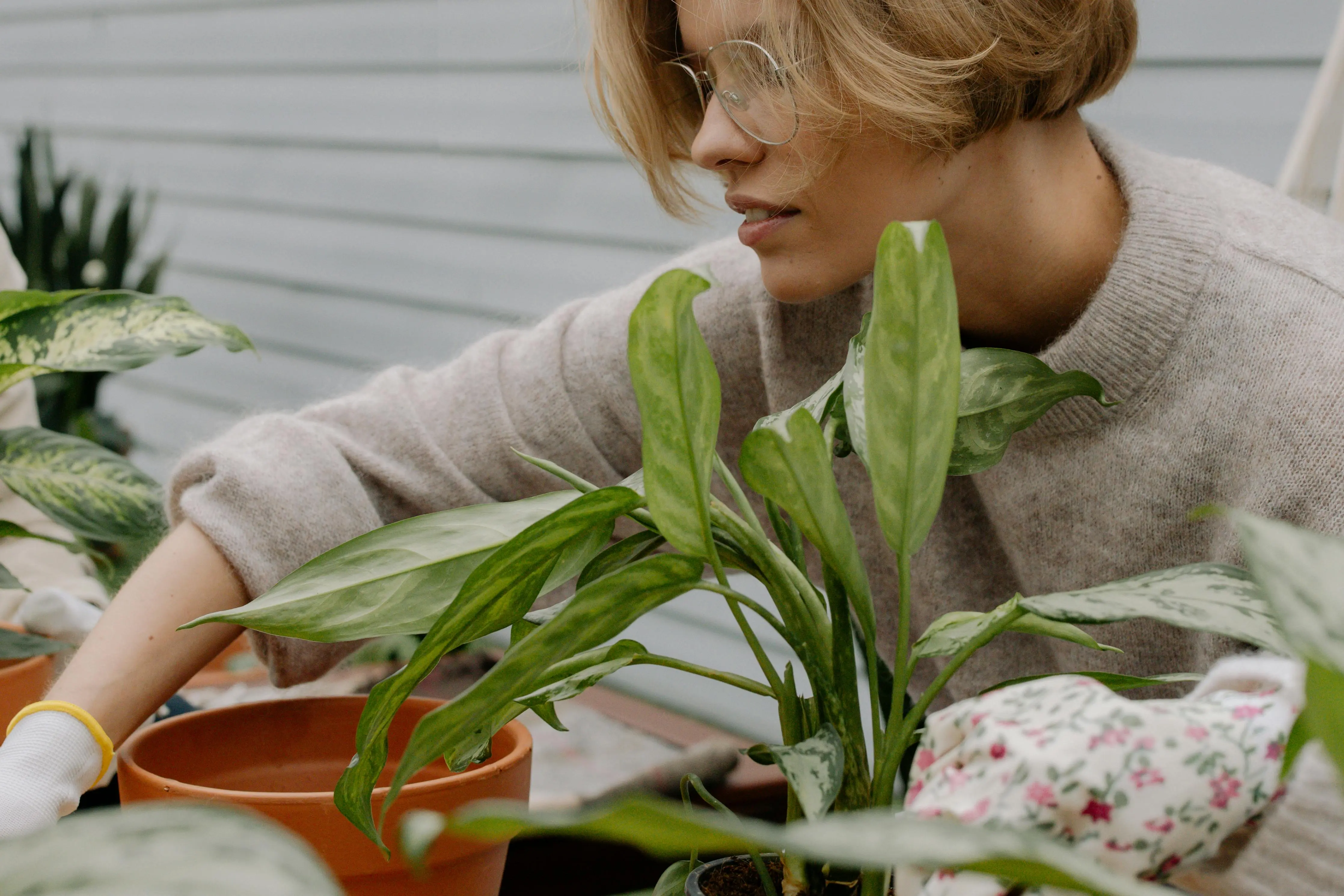
While these plants are content with less light, you can still encourage healthier growth. Occasionally rotating your plants will ensure even exposure to available light, preventing them from growing lopsided. Clean their leaves regularly to remove dust, which can block light absorption and hinder photosynthesis. A soft, damp cloth works perfectly.
Fertilizing Sparingly
Low light plants have a slower growth rate, so they don’t require as much fertilizer as their sun-loving counterparts. During their active growing season (spring and summer), you can feed them with a diluted, balanced liquid fertilizer once every 2-4 months. Avoid fertilizing during fall and winter when growth naturally slows.
FAQ: Indoor Plants Minimal Light
What does “minimal light” truly mean for plants?
Minimal light for plants generally refers to indirect light, often found several feet away from a window, or in a room lit by artificial light. It’s not complete darkness, but rather an environment where direct sunlight is absent.
How often should I water low light house plants?
Watering frequency depends on the specific plant, pot size, and humidity. A good rule of thumb is to allow the top inch or two of soil to dry out completely before watering again. Overwatering is a common killer for these plants.
Can I put these plants in a room with no windows?
Some extremely tolerant plants like ZZ plants or Snake plants can survive for periods in rooms with no natural light, relying solely on artificial light. However, all plants prefer some form of natural light to thrive long-term.
Do indoor plants minimal light still purify the air?
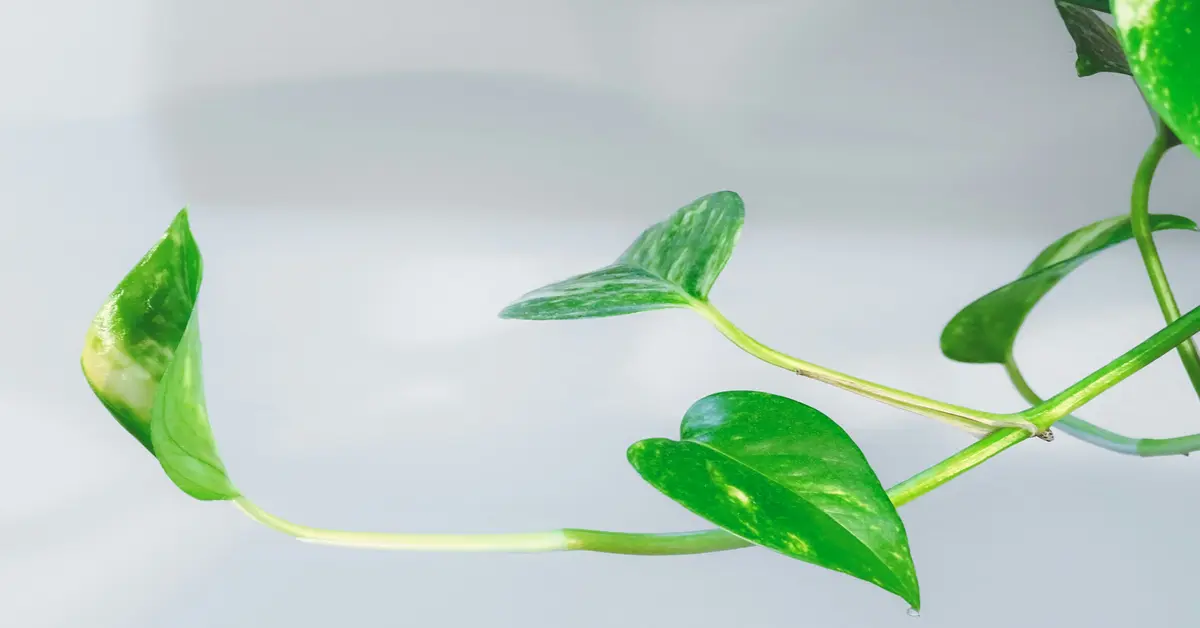
Yes, many low light indoor plants, such as the Snake Plant and Pothos, are known for their air-purifying qualities, removing toxins from the indoor environment, even in minimal light conditions.
Are there any flowering low light indoor plants?
While most prominent low light plants are foliage-based, some do flower. The Peace Lily is a prime example, producing elegant white spathes even in dim conditions, though brighter indirect light encourages more blooms.
Conclusion: Embrace the Green, Even in the Shade
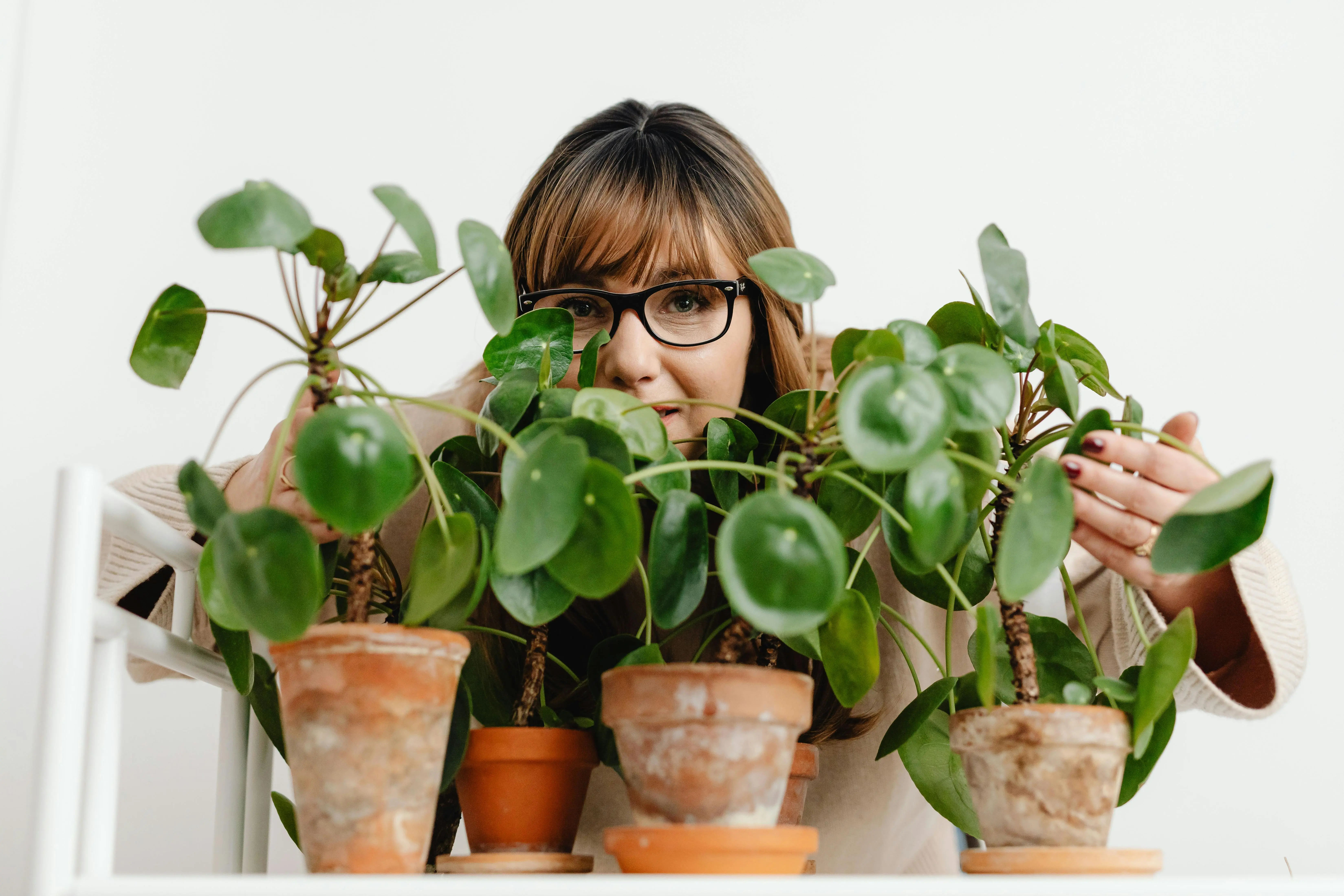
Don’t let a lack of sunshine deter you from enjoying the beauty and benefits of indoor greenery. With the right knowledge and selection of resilient indoor plants minimal light can easily tolerate, you can create a thriving urban jungle in any corner of your home. These low light indoor plants offer not only aesthetic appeal but also a host of benefits, from air purification to boosting your mood. Start your journey with these incredible low light house plants today and discover the joy of effortless green living. Your home will thank you for it!