Kids painting is more than just a fun pastime; it’s a powerful tool for development and expression. Engaging in artistic activities from a young age can significantly boost a child’s creativity, fine motor skills, and even their emotional intelligence. As an SEO expert with over a decade of experience in content creation, I’ve seen firsthand the increasing interest parents have in enriching their children’s lives through art. This comprehensive guide will explore the myriad advantages of introducing painting to children, from toddlers to school-aged kids. We’ll delve into the best painting sets for 5 year olds, discuss techniques, and answer frequently asked questions to help you nurture your child’s artistic journey.
Unlocking Creativity and Imagination
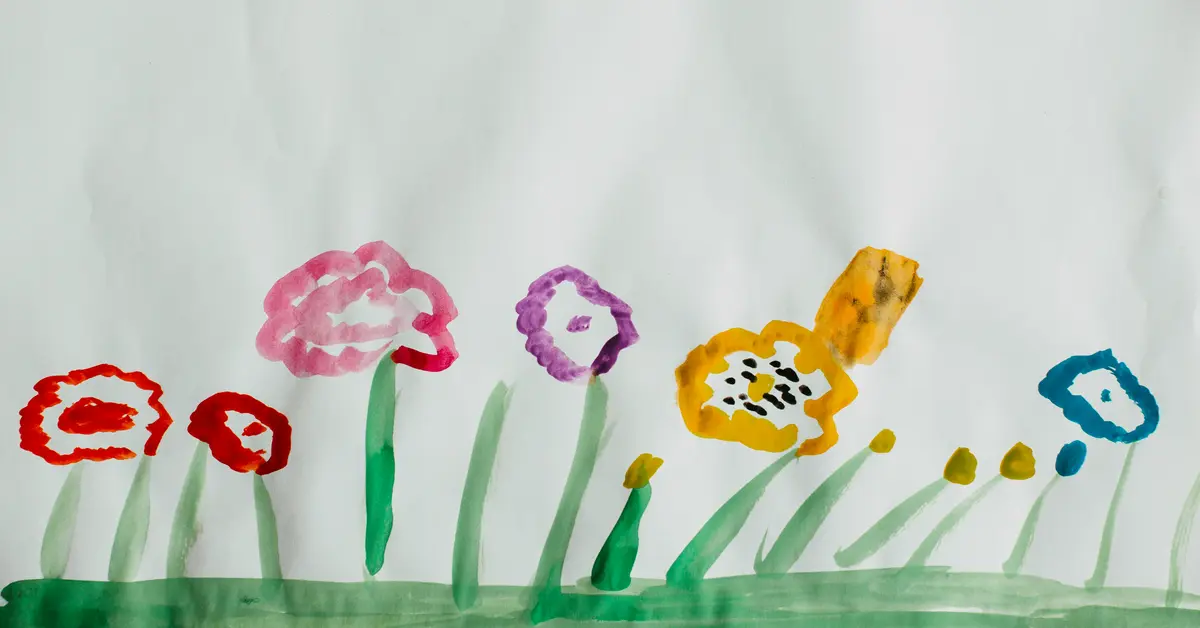
One of the most apparent benefits of kids painting is its ability to unleash boundless creativity and imagination. When children pick up a brush, they aren’t just applying color; they’re creating worlds, expressing feelings, and experimenting with ideas. This form of self-expression allows them to explore their inner thoughts and translate them into visual forms. Encouraging this artistic freedom helps foster innovative thinking and problem-solving skills that extend far beyond the canvas. Providing a variety of colors and tools can further stimulate their imaginative play, leading to unique and unexpected masterpieces.
Developing Fine Motor Skills and Coordination
The act of painting requires precision and control, making it an excellent activity for developing fine motor skills. Holding a brush, mixing colors, and applying paint to a surface all contribute to strengthening hand-eye coordination. These skills are crucial for tasks like writing, buttoning clothes, and even eating independently. For younger children, starting with finger painting can be a great way to introduce them to textures and colors while gradually building up their dexterity. As they grow, moving to brushes of different sizes will further refine these essential developmental areas.

Boosting Cognitive Growth with Kids Painting
Kids painting actively engages various cognitive processes. Children learn about cause and effect as they mix colors, discovering how primary colors combine to form secondary ones. They develop spatial awareness by arranging elements on a page and learn about patterns and repetition. This hands-on learning approach is incredibly effective for young minds, integrating sensory experiences with intellectual exploration. Discussing their artwork with them also helps build their vocabulary and ability to articulate their thoughts, further enhancing their cognitive development.
Emotional Expression and Stress Relief
Art provides a safe and non-verbal outlet for children to express their emotions. Whether they’re happy, sad, frustrated, or excited, painting allows them to convey these feelings through colors and strokes. This can be particularly beneficial for children who may struggle to articulate their emotions verbally. The calming and meditative nature of painting can also serve as a wonderful stress reliever, helping children unwind and focus. Providing a judgment-free environment for their artistic endeavors is key to fostering this emotional outlet.
Choosing the Right Painting Sets for 5 Year Olds
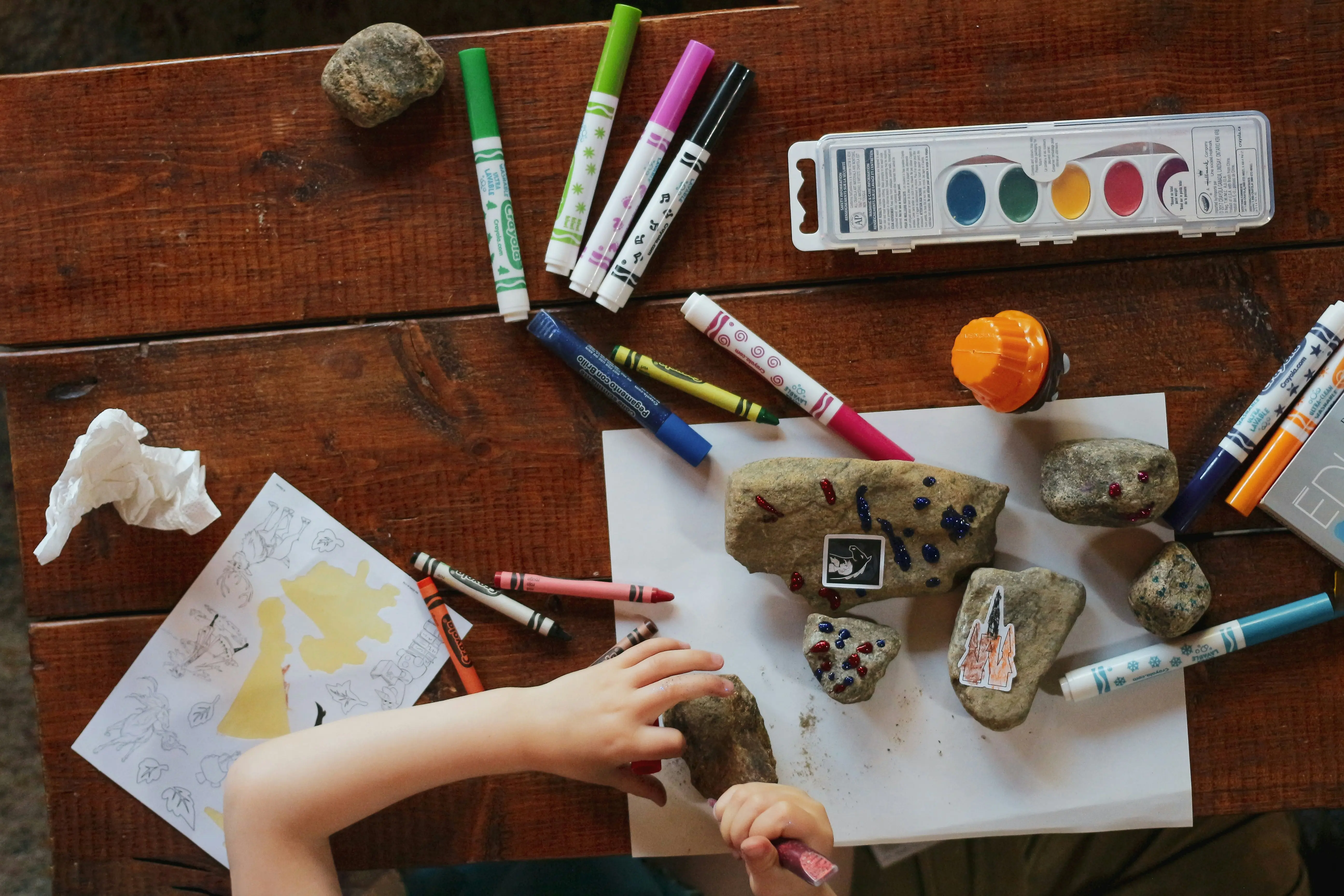
When selecting painting sets for 5 year olds, safety and age-appropriateness are paramount. Look for non-toxic, washable paints that are easy to clean up. Acrylics are a popular choice for versatility, while tempera paints are excellent for younger kids due to their vibrant colors and ease of use. Consider sets that include a variety of brush sizes, sponges, and even stencils to encourage different techniques. A sturdy easel and plenty of paper will complete the setup, ensuring they have everything they need for hours of creative fun.
Frequently Asked Questions about Kids Painting
What age is appropriate to start kids painting?
Children can start finger painting as early as 12-18 months. By 2-3 years, they can often grasp brushes, and by 5, they are ready for more complex painting sets.
What are the best types of paint for young children?
Non-toxic, washable tempera or watercolor paints are generally best for young children due to easy cleanup and safety.
How can I encourage my child to paint more often?
Provide a designated, accessible art space, offer a variety of materials, and praise their effort rather than just the outcome.
Is it okay for my child to make a mess while painting?
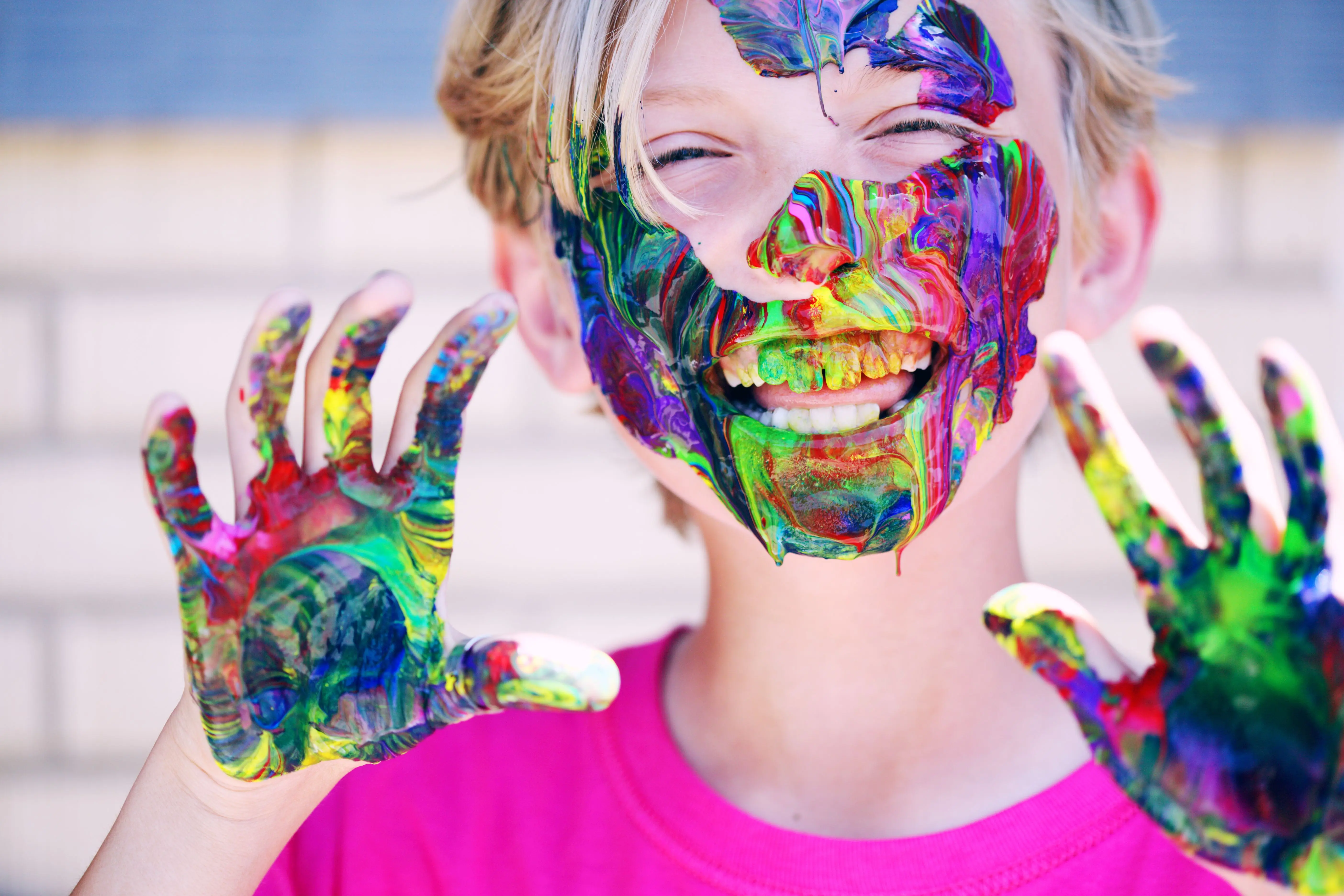
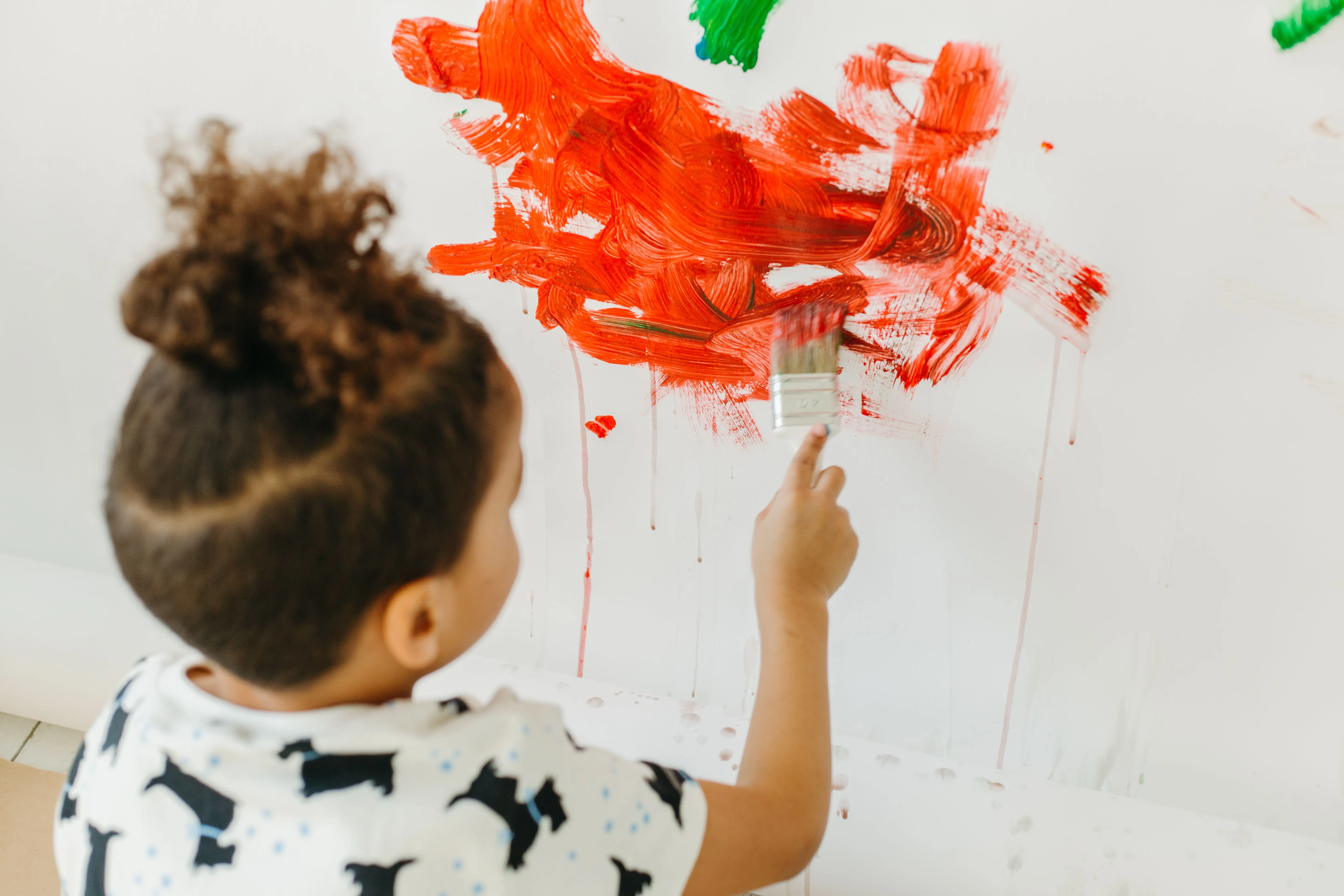
Absolutely! Mess-making is a natural and important part of the creative process. Lay down newspapers or a splat mat to contain it.
What are some simple painting activities for preschoolers?
Finger painting, leaf printing, sponge painting, and painting with cotton balls are all great, simple activities for preschoolers.
Conclusion: The Enduring Value of Kids Painting
In conclusion, engaging in kids painting offers a treasure trove of benefits, impacting a child’s development in profound ways. From fostering creativity and honing fine motor skills to boosting cognitive growth and providing an emotional outlet, the advantages are undeniable. Investing in quality painting sets for 5 year olds and creating an encouraging environment for artistic exploration will undoubtedly contribute to a well-rounded and expressive child. So, grab some brushes, set up your art station, and watch as your little one discovers the wonderful world of color and imagination. Nurture your child’s inner artist today and witness the amazing benefits unfold!