
Are you battling unwanted guests in your garden? Effective lawn insect control is crucial for maintaining a healthy, vibrant lawn. From tiny ants to destructive grubs, a variety of pests can wreak havoc on your beautiful green space. Understanding how to identify these intruders and implementing strategic control methods will not only protect your turf but also enhance your outdoor living experience. This comprehensive guide will walk you through the essential steps to achieve superior lawn insect control, ensuring your yard remains a lush, pest-free sanctuary.
We’ll explore common lawn pests, effective prevention techniques, and the best treatment options available. Whether you’re a seasoned gardener or a new homeowner, mastering lawn insect control is key to a picturesque landscape. Say goodbye to damaged grass and hello to a thriving yard with our expert advice on pest control for yard success.
Understanding Common Lawn Pests
Identifying the specific pests invading your lawn is the first step towards effective lawn insect control. Some common culprits include chinch bugs, which suck the sap from grass blades, leaving behind dry, brown patches. Grubs, the larvae of various beetles, feed on grass roots, causing widespread damage and making your lawn feel spongy underfoot. Sod webworms are another frequent nuisance, creating small, silken tunnels and chewing grass blades down to the thatch layer.
Ants, while often considered harmless, can build extensive mounds that choke out grass and disrupt its growth. Fleas and ticks are not only a problem for your pets but can also reside in your lawn, posing health risks. Learning to recognize the signs of these invaders, such as discolored patches, bare spots, or insect activity, will empower you to act quickly and choose the right control method, ensuring targeted and efficient pest control for yard health.
Preventative Measures for Lawn Insect Control
Prevention is often the best strategy when it comes to effective lawn insect control. A healthy, well-maintained lawn is naturally more resistant to pest infestations. Start by ensuring proper watering and fertilization practices, as stressed grass is more susceptible to damage. Overwatering can create damp conditions that attract certain pests, while underwatering can weaken your lawn. Regular mowing at the correct height also plays a vital role; keeping grass slightly longer can provide shade and deter some insects.
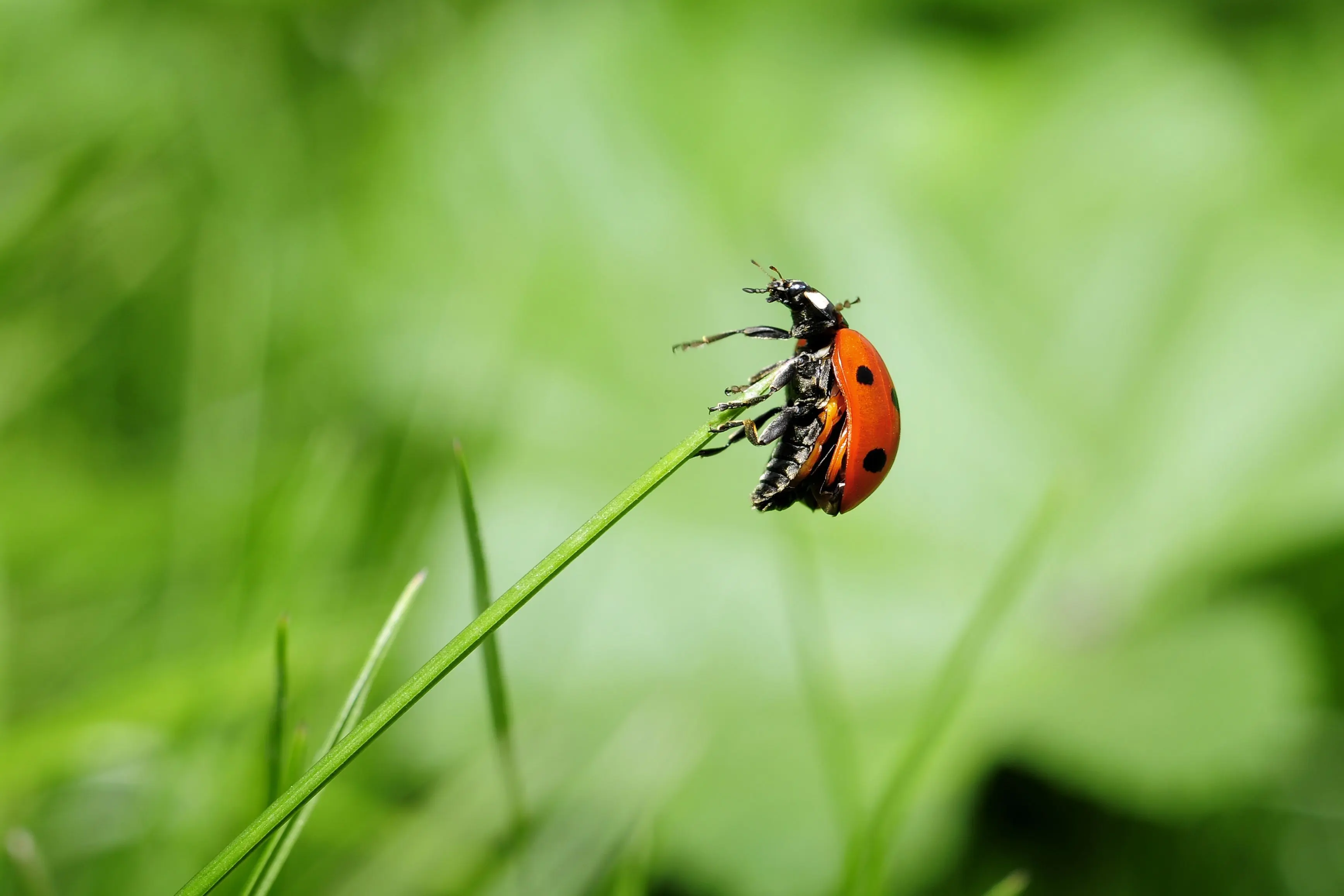
Aerating your lawn annually improves air circulation and reduces thatch buildup, which can harbor pests. Consider introducing beneficial insects, such as ladybugs and parasitic wasps, that prey on common garden pests. Using natural repellents, like neem oil or essential oil sprays, can also deter insects without harming beneficial organisms. Implementing these preventative measures creates an environment less appealing to pests, significantly reducing the need for more intensive treatments and contributing to excellent pest control for yard management.

Effective Treatment Options for Infestations
When preventative measures aren’t enough, understanding your treatment options for lawn insect control becomes essential. For minor infestations, organic solutions can be highly effective. Diatomaceous earth, for example, is a natural abrasive that dehydrates and kills many crawling insects. Insecticidal soaps and horticultural oils can smother soft-bodied pests without harming your plants or beneficial insects. Neem oil also acts as a repellent and growth disruptor for many garden pests.
For more severe outbreaks, chemical pesticides may be necessary, but always use them sparingly and according to label instructions. Look for products specifically designed for the pests you’re targeting to minimize environmental impact. Granular insecticides can be spread over larger areas, while liquid sprays offer targeted application. Consider professional pest control services for persistent or widespread infestations. A combination of approaches, tailored to your specific pest problem, will provide the most effective pest control for yard rehabilitation.

Maintaining a Pest-Free Lawn Year-Round
Achieving and maintaining a pest-free lawn requires consistent effort in lawn insect control throughout the year. Your pest control strategy shouldn’t be a one-time event but rather an ongoing process. Regularly inspect your lawn for early signs of pest activity, especially during peak seasons for specific insects. Early detection allows for quicker and often less intensive interventions.
Continue to practice good lawn care habits, including proper watering, mowing, and fertilization, as a strong, healthy lawn is your best defense. In areas prone to certain pests, consider implementing seasonal preventative treatments. For example, applying grub control in early summer can significantly reduce damage later in the season. Keeping detailed records of pest sightings and treatments can help you anticipate future issues and refine your approach to pest control for yard health. By staying vigilant and proactive, you can enjoy a beautiful, pest-free lawn all year long.
Frequently Asked Questions About Lawn Insect Control
What are the most common signs of grub damage in a lawn?
Grub damage often appears as irregular patches of brown, dead grass that peel back easily like a carpet, as grubs feed on the roots. You might also notice an increase in animals like raccoons or birds digging in your lawn, searching for grubs.
Are there natural methods for lawn insect control that are safe for pets and children?
Yes, many natural methods are safe. These include using diatomaceous earth, neem oil sprays, introducing beneficial nematodes, or encouraging natural predators like ladybugs. Always confirm product labels for safety instructions.
How often should I apply pest control to my lawn?
The frequency depends on the specific pest, your local climate, and the product used. Some preventative treatments are applied once or twice a year, while others may require more frequent application during active pest seasons. Regular monitoring is key.
Can I prevent ants from building mounds in my lawn?
Prevention can be challenging, but good lawn maintenance helps. Addressing overwatering, reducing sugary food sources nearby, and regularly disturbing ant mounds physically can deter them. Targeted baits can also be effective.
What should I do if a professional pest control service didn’t solve my lawn insect issue?
First, communicate your concerns to the company. They may offer follow-up treatments or different strategies. If the issue persists, consider seeking a second opinion from another reputable pest control professional to reassess the situation.

Conclusion: Your Green Oasis Awaits
Mastering lawn insect control is an ongoing journey that combines vigilance, knowledge, and consistent effort. By understanding the common pests, implementing preventative measures, and knowing when and how to treat infestations, you can effectively protect your lawn from harm. A healthy, vibrant lawn not only enhances your home’s curb appeal but also provides a pleasant outdoor space for relaxation and recreation.
Don’t let pests diminish the beauty and health of your yard. Apply the strategies outlined in this guide to achieve lasting pest control for your yard. Take the first step towards a greener, pest-free lawn today! Your efforts in robust lawn insect control will be rewarded with a lush, thriving landscape that you can enjoy for years to come. Start creating your perfect green oasis now and embrace the joy of a truly pest-free outdoor environment.