
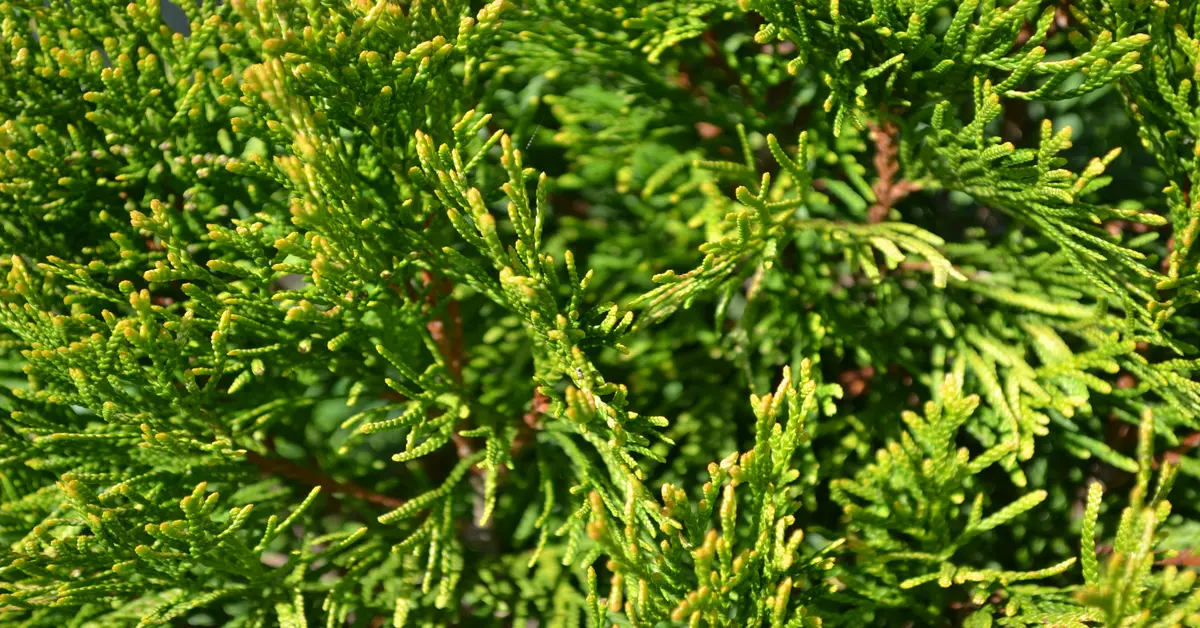
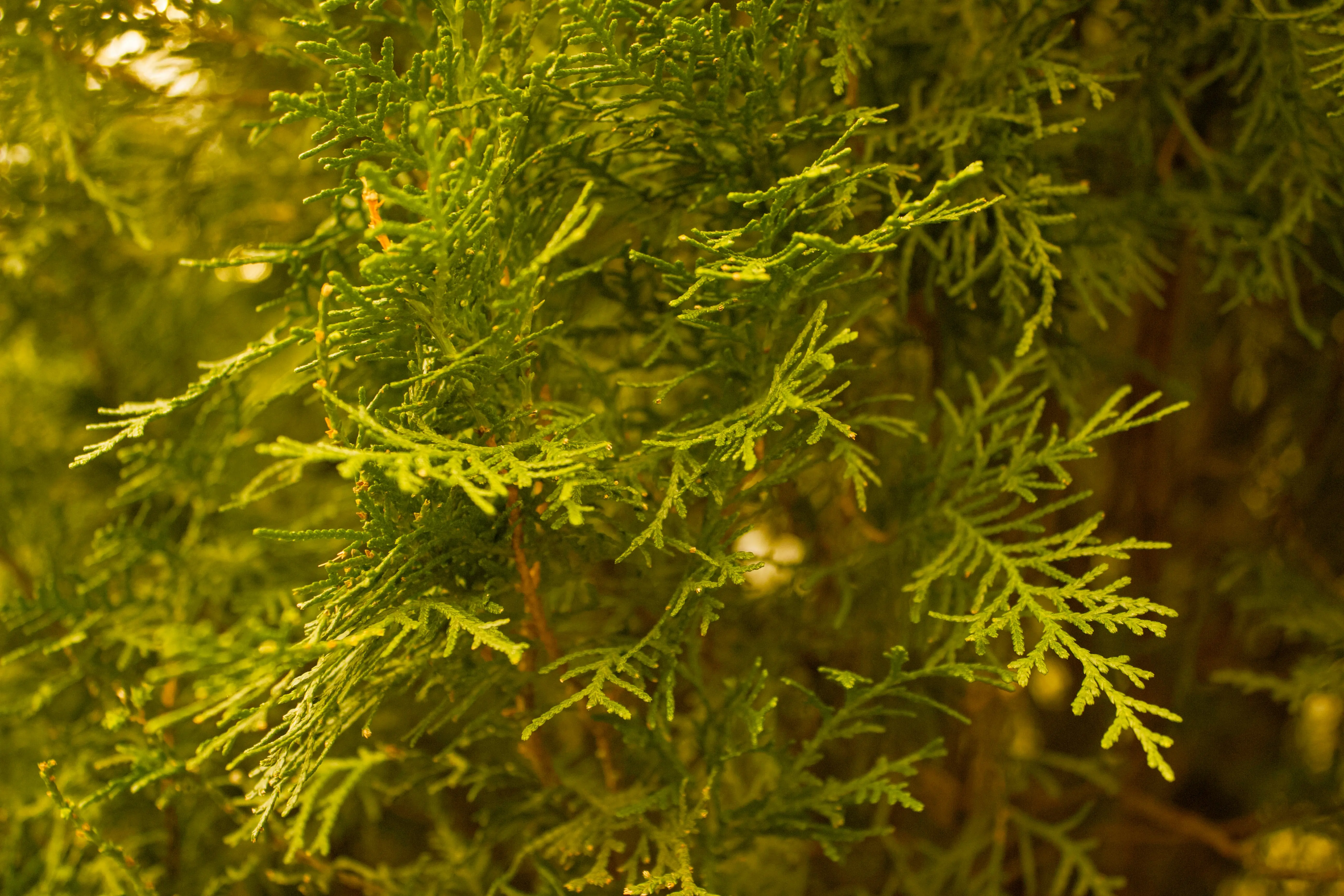
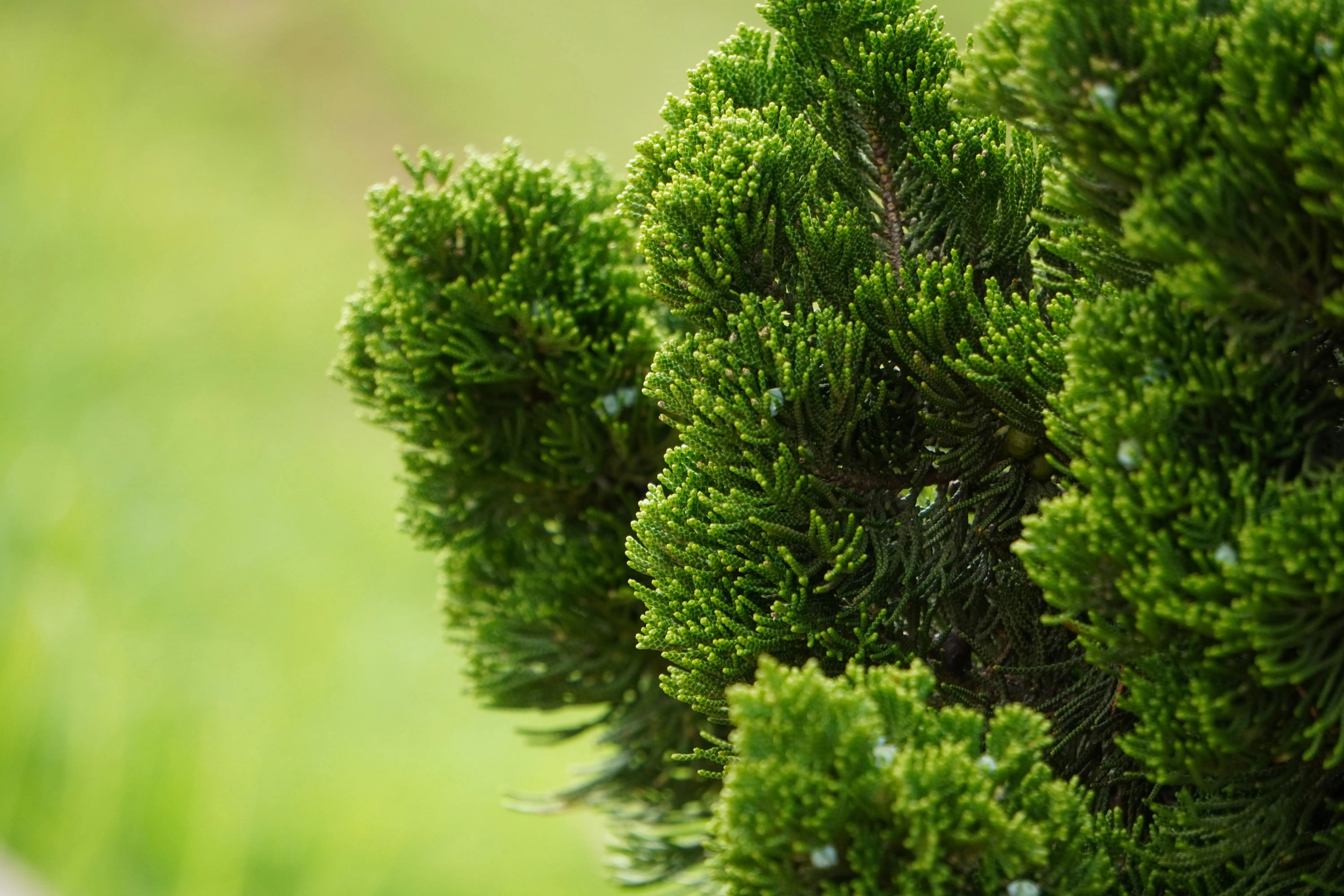
The lemon cypress conifer, also known by its botanical name Cupressus macrocarpa ‘Goldcrest’, is a truly enchanting plant. Renowned for its vibrant chartreuse foliage and delightful citrusy fragrance, it’s a popular choice for everything from holiday decorations to elegant patio displays. This evergreen conifer can add a touch of sunny cheer to any space, whether indoors or out, bringing a unique aesthetic and aromatic experience. Its compact, conical growth habit makes it versatile, fitting into various garden designs or container arrangements. Understanding its specific needs will ensure your lemon cypress thrives, maintaining its beautiful color and invigorating scent.
Caring for your lemon cypress conifer doesn’t have to be complicated. With the right approach to watering, lighting, and general maintenance, you can enjoy its unique charm for years to come. This guide will walk you through the essential steps to keep your Cupressus macrocarpa ‘Goldcrest’ healthy and vibrant, ensuring it remains a fragrant focal point in your home or garden.
Understanding Your Lemon Cypress Conifer’s Needs
The lemon cypress conifer typically prefers a bright environment. When grown indoors, it needs a south-facing window or a location with abundant indirect sunlight for at least six hours daily. Outdoors, it thrives in full sun to partial shade, though too much intense afternoon sun in hot climates can sometimes scorch its delicate foliage. This particular conifer is native to coastal regions, suggesting a preference for moderate temperatures and consistent moisture.
Regarding soil, a well-draining mix is crucial. Heavy, waterlogged soil can quickly lead to root rot, a common issue for many conifers. A slightly acidic to neutral pH is ideal. If you’re potting your lemon cypress, ensure the container has drainage holes to prevent water accumulation. Adequate air circulation around the plant can also help prevent fungal issues, especially when growing indoors.
Optimal Watering for Cupressus macrocarpa ‘Goldcrest’
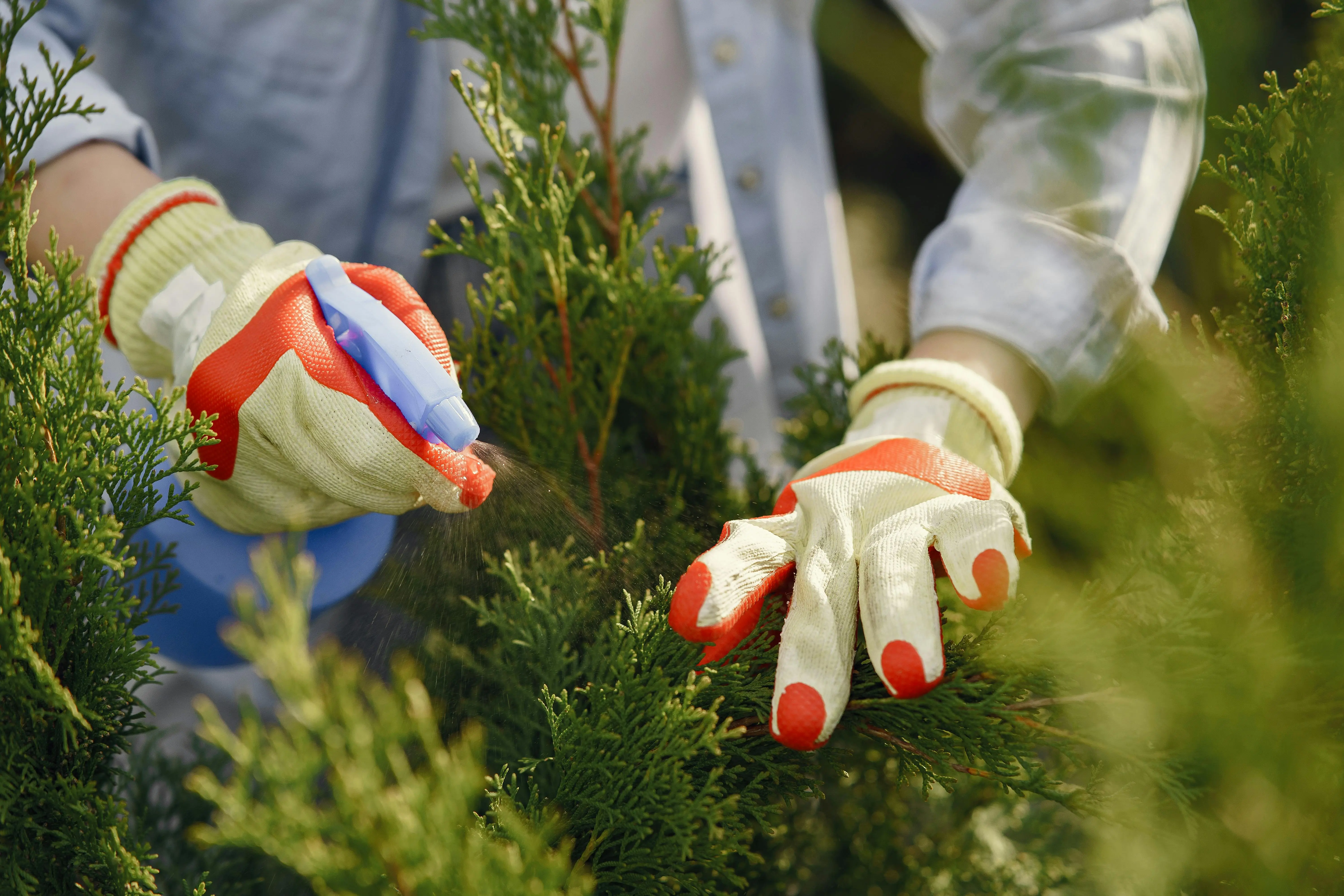
Proper watering is perhaps the most critical aspect of caring for your lemon cypress conifer. These plants prefer consistently moist soil but absolutely detest being waterlogged. The best practice is to water thoroughly when the top inch or two of soil feels dry to the touch. You can test this by gently sticking your finger into the soil.
During warmer months or when the plant is actively growing, it may require more frequent watering. In contrast, reduce watering frequency during cooler periods or when the plant is dormant. Ensure that any excess water drains freely from the pot. If your plant is outdoors, consider mulching around the base to help retain soil moisture and regulate temperature, which also benefits the overall health of your lemon cypress cupressus macrocarpa.
indoor-plants/”>light and Temperature Requirements
The lemon cypress conifer flourishes in bright light. If kept indoors, place it near a bright window where it can receive several hours of direct light, supplemented with indirect bright light throughout the day. Insufficient light can cause the foliage to become sparse and lose its vibrant golden-green hue. Rotate the plant periodically to ensure all sides receive adequate light, promoting even growth.
Temperature-wise, these conifers prefer cooler conditions. They are generally hardy in USDA zones 7-10. Indoors, aim for temperatures between 50-70°F (10-21°C). Avoid placing them near heat vents or drafty windows that can cause sudden temperature fluctuations. High humidity is also beneficial, especially in dry indoor environments. Mist your plant regularly or place it on a pebble tray filled with water to increase ambient humidity.

pest and Disease Management for Your Lemon Cypress
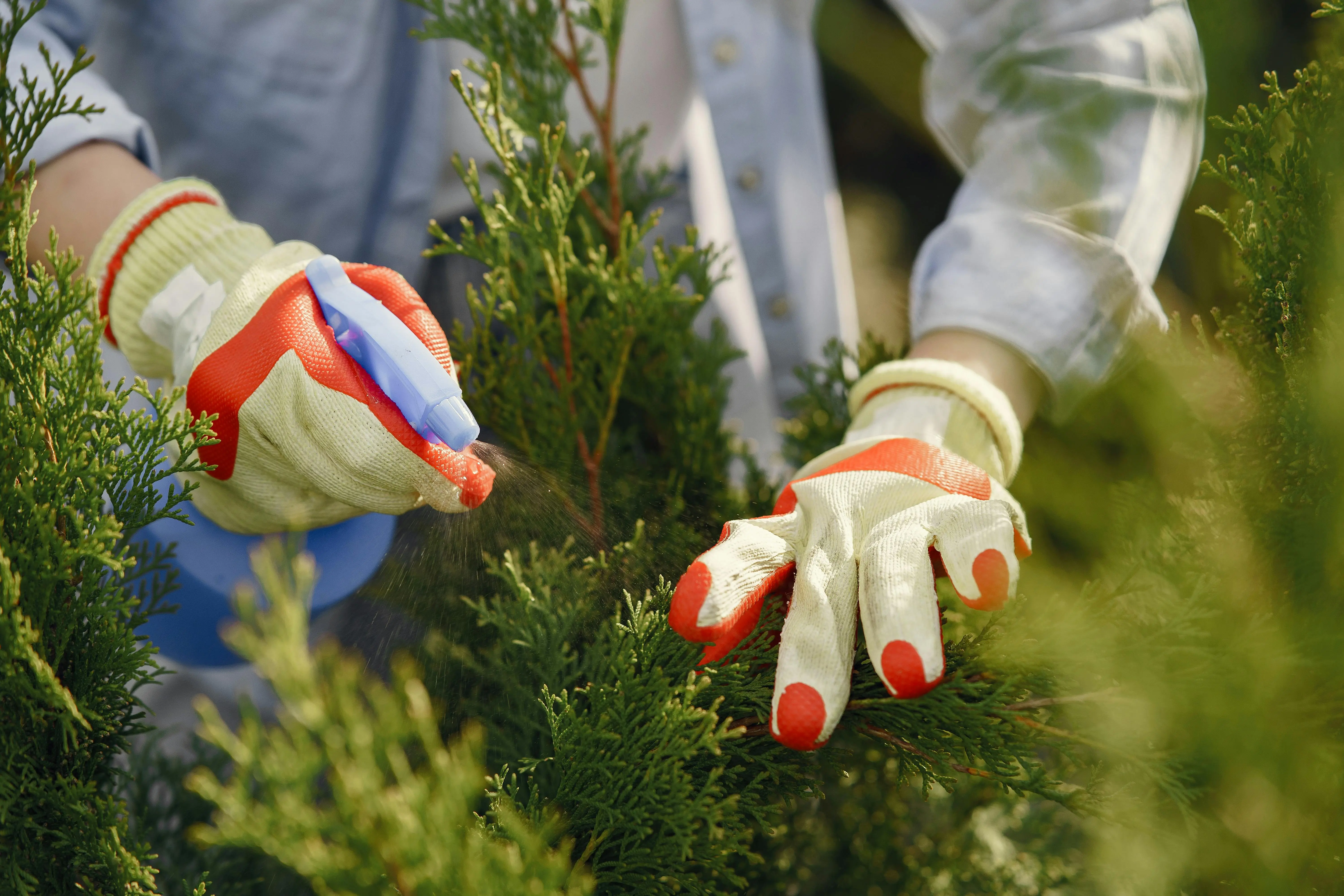
While generally robust, the lemon cypress conifer can occasionally suffer from pests like spider mites, especially in dry indoor conditions. Regularly inspect the foliage, particularly the undersides of branches, for any signs of webbing or tiny moving dots. If detected, treat with an insecticidal soap or neem oil. Good air circulation and proper humidity can significantly deter these pests.
Fungal diseases, such as root rot, are usually a result of overwatering. Ensure proper drainage and allow the soil to dry out slightly between waterings to prevent this. Pruning any dead or diseased branches promptly can also help maintain plant health and prevent the spread of issues. Understanding your cupressus macrocarpa goldcrest care needs proactively can prevent major problems.
Pruning and Shaping Your Lemon Cypress
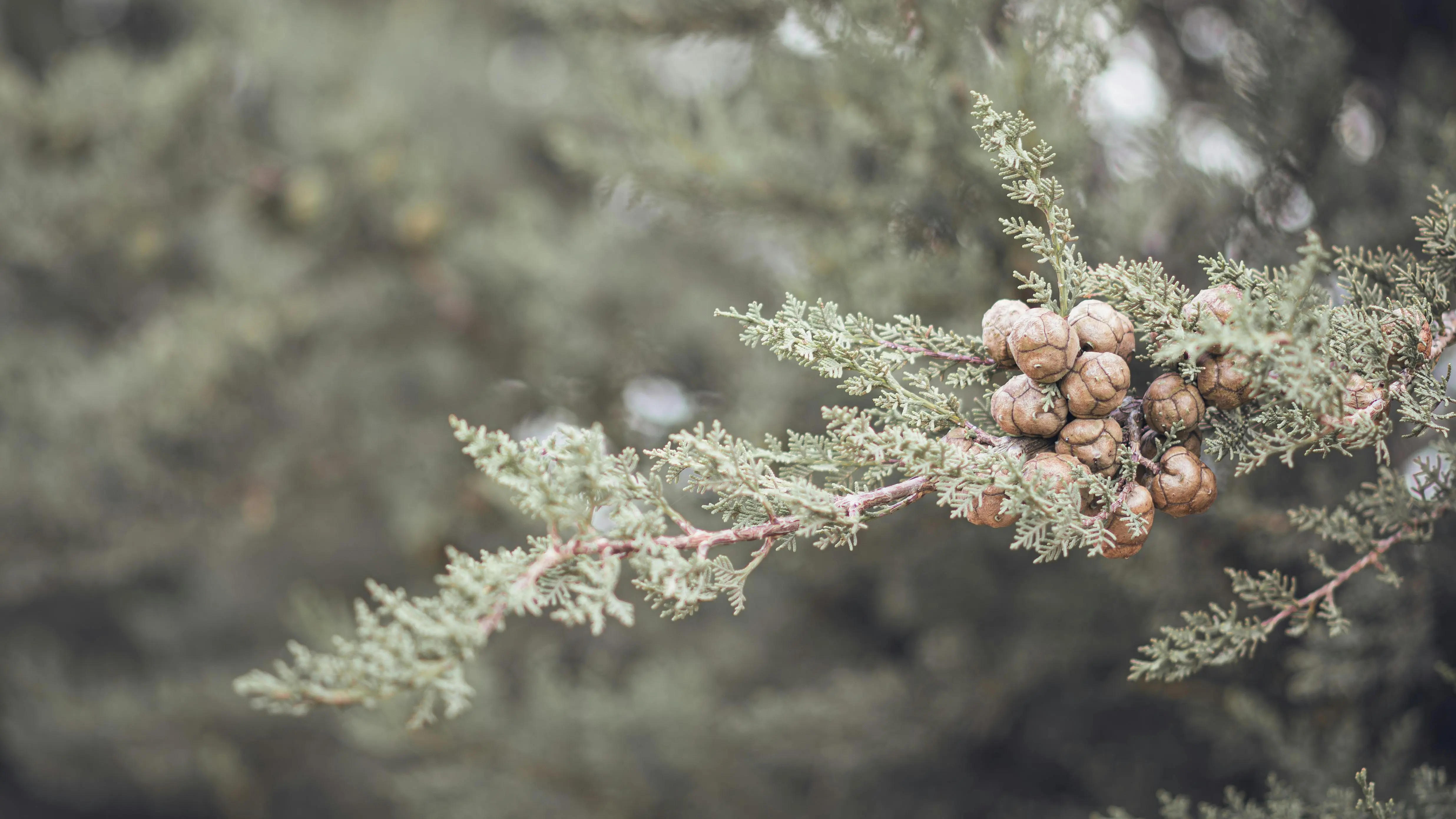
Lemon cypress conifers respond well to light pruning, which can help maintain their desirable conical shape and encourage denser growth. The best time to prune is in late winter or early spring before new growth begins. Use sharp, clean pruning shears to snip off any leggy or errant branches. Avoid removing more than 20-30% of the plant’s foliage at one time, as this can stress the plant.
You can also pinch back new growth tips to encourage bushier development. Regular maintenance pruning not only keeps your lemon cypress looking tidy but also improves air circulation within the plant, further reducing the risk of disease. Always remove any yellowing or brown foliage promptly to keep the plant vigorous and healthy.
FAQ about Lemon Cypress Conifer
Can a lemon cypress conifer be grown indoors permanently?
Yes, but it requires bright, consistent light and cooler temperatures, especially in winter. High humidity is also beneficial for indoor growth.
How often should I fertilize my lemon cypress?
Fertilize sparingly, once or twice during the growing season (spring and summer) with a balanced, slow-release evergreen fertilizer. Avoid over-fertilizing.Why are the needles on my lemon cypress turning brown?
Browning needles can indicate several issues, including insufficient water, overwatering leading to root rot, low humidity, or extreme temperatures. Assess your watering schedule and environmental conditions.Is the lemon cypress conifer toxic to pets?
The ASPCA lists Cypress (Cupressus species) as non-toxic to cats, dogs, and horses, but it’s always best to prevent pets from ingesting plant material.
What is the ideal pot size for a lemon cypress?
Choose a pot that is slightly larger than the root ball, ensuring it has adequate drainage holes. Repot every 2-3 years, or when the plant becomes root-bound.
Conclusion
The lemon cypress conifer is a truly delightful and fragrant addition to any home or garden, offering visual appeal and a refreshing aroma. By understanding the specific requirements for Cupressus macrocarpa ‘Goldcrest’ care, including optimal watering, light, and temperature conditions, you can ensure your plant thrives. Regular pruning and diligent pest inspection are also key to maintaining its health and vibrant appearance. Embrace these straightforward care practices, and your lemon cypress conifer will reward you with its stunning golden foliage and invigorating citrus scent for many seasons to come. Discover the joy of nurturing this beautiful evergreen.