
Discover the Magic of Mealworm feeders for Backyard Birds
Welcome, fellow bird enthusiasts! If you’ve ever dreamed of a vibrant flurry of color gracing your backyard or yearned for the cheerful melodies of specific songbirds, you’re in the right place. Today, we’re diving deep into the wonderful world of mealworm feeders. These specialized feeders are not just simple containers; they are gateways to attracting some of the most sought-after avian visitors, particularly the mesmerizing bluebirds. Understanding how to use them effectively, choosing the right type, and offering the right kind of food can transform your bird-watching experience from ordinary to extraordinary.
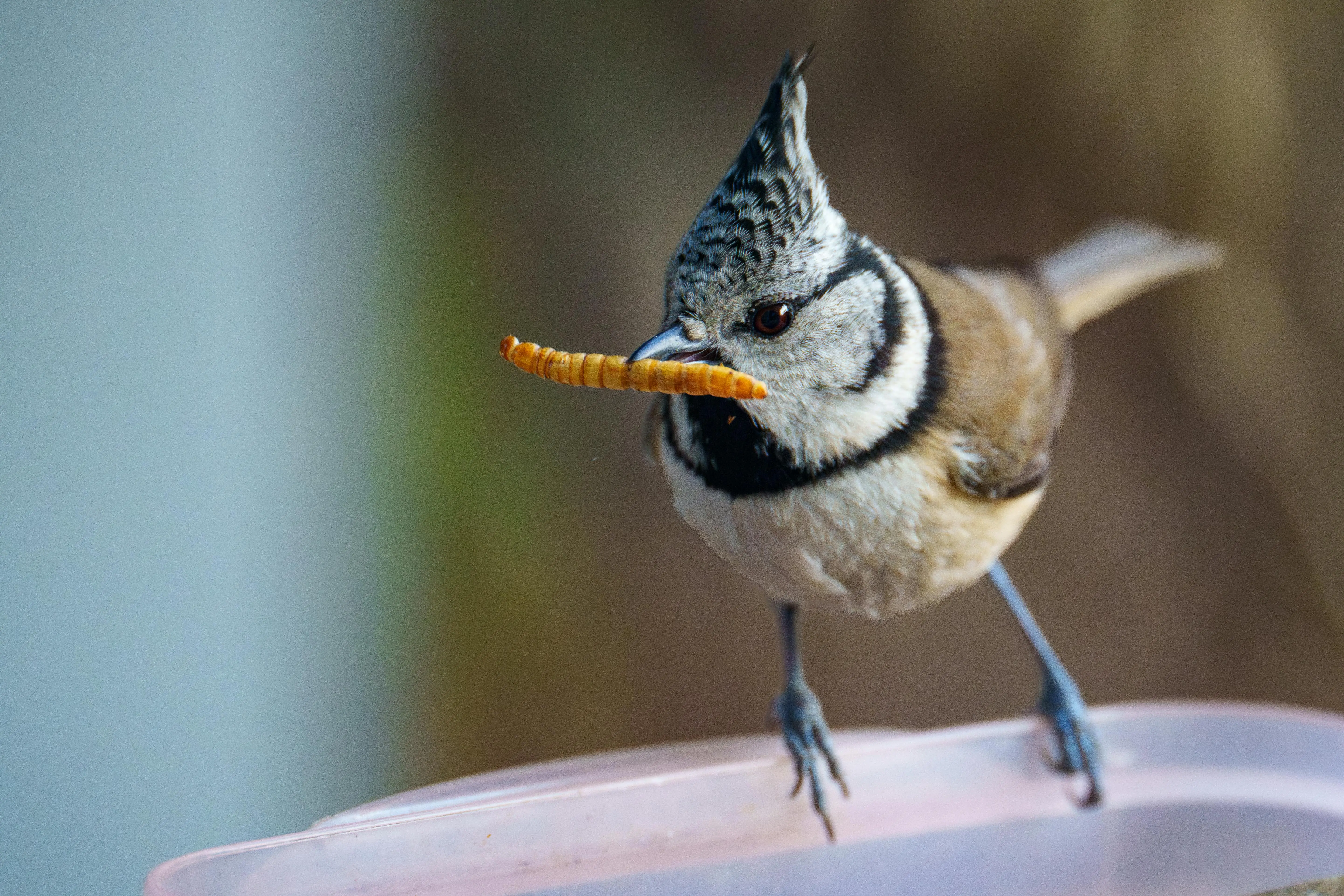
Many bird lovers struggle with attracting specific species. While feeders for seeds and suet are common, they often don’t cater to the unique dietary needs of insectivorous birds like bluebirds, robins, and even some woodpeckers. This is where mealworm feeders shine. They provide a dedicated, accessible source of protein and fat that these birds crave, especially during nesting season when young ones require a high-energy diet. By strategically placing these feeders and using fresh, high-quality mealworms, you’ll not only attract these beautiful birds but also provide them with essential nutrients, fostering a healthier local bird population. Let’s explore everything you need to know about making your yard a haven for these delightful creatures.
Why Mealworm Feeders Are Essential for Attracting Bluebirds
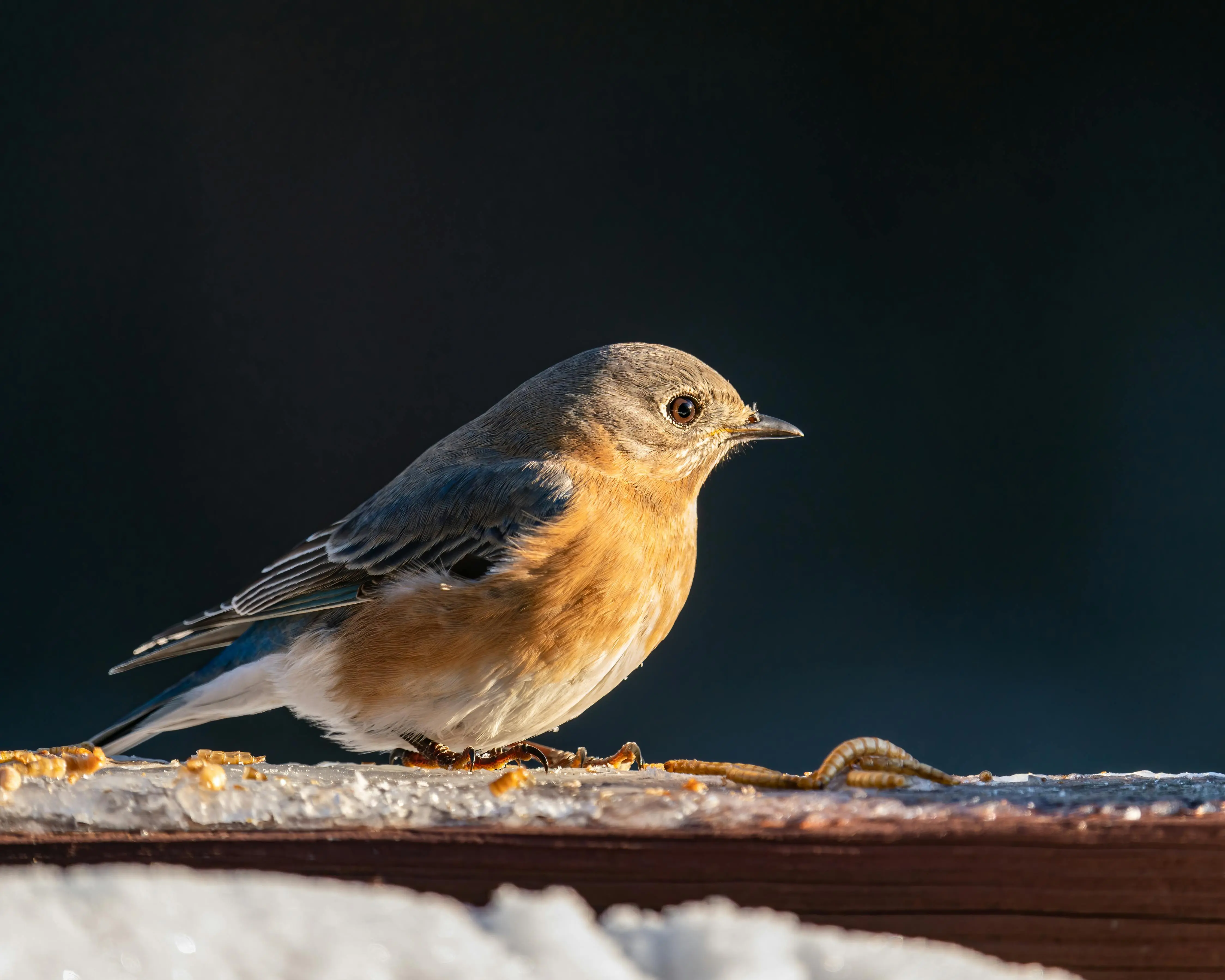
Eastern, Western, and Mountain Bluebirds are among the most beloved backyard birds, known for their stunning plumage and gentle demeanor. However, attracting them can be a challenge if you’re only offering seeds. Bluebirds are primarily insectivores, meaning a significant portion of their diet consists of insects, with mealworms being a preferred choice. This is precisely why mealworm feeders become an indispensable tool for any bluebird admirer. Standard seed feeders simply don’t offer what these birds need, making specialized options crucial.
Live mealworms, in particular, mimic natural prey and are an irresistible treat. They provide vital protein, fat, and other nutrients that are crucial for bluebirds, especially during the colder months when natural insect populations dwindle, and during breeding season when parents need to feed their hungry fledglings. Without a reliable food source like live mealworms, bluebirds might bypass your yard entirely. Offering mealworms consistently can establish your garden as a dependable feeding ground, encouraging bluebirds to return year after year, and even to nest nearby. It’s not just about attracting them; it’s about supporting their life cycle. Plus, watching a bluebird snatch a mealworm from a feeder is an incredibly rewarding sight that every bird enthusiast should experience.
Choosing the Best Mealworm Feeder for Your Avian Guests
The market offers a variety of mealworm feeders, each designed with specific features to cater to different needs and preferences of both birds and birders. Your choice can significantly impact your success in attracting bluebirds and preventing other, less desirable visitors from monopolizing the food. Here are the main types to consider:
- Tray Feeders: These are simple, open dishes or trays. They are easy to clean and allow birds to access mealworms readily. However, they can also attract larger birds like starlings, or even squirrels, which might quickly consume all the offerings. They are best for places where bluebirds feel safe and competition is low.
- Platform Feeders with Cages: A popular choice, these feeders feature a dish for mealworms surrounded by a wire cage. The cage openings are typically sized to allow smaller birds like bluebirds to enter, while deterring larger birds and squirrels. This design is highly effective in ensuring the mealworms are reserved for your target species.
- Hopper Feeders with Small Openings: Some hopper-style feeders are designed with very small access holes. While less common for live mealworms due to potential moisture issues, they can work well for dried mealworms, offering a level of protection from rain and larger birds. However, bluebirds generally prefer more open access.
- Window Feeders: For those who want an up-close viewing experience, window-mounted mealworm feeders are an excellent option. They often come with suction cups to affix directly to your window. Ensure the design includes a protective cover to keep mealworms dry.
- Specialized Bluebird Houses with Mealworm Dishes: Some bluebird nesting boxes or houses incorporate a small tray or dish for mealworms, providing a convenient food source right where bluebirds might decide to raise their young.
When selecting your feeder, consider its material (durable, weather-resistant plastics or metals are best), ease of cleaning, and its ability to protect mealworms from rain and sun. A good feeder will not only attract bluebirds but also maintain the quality of the mealworms, ensuring a healthy and appealing treat for your feathered friends.
The Secret to Success: Placement and Consistency of Mealworm Feeders
Even the best mealworm feeders won’t be effective if not placed correctly or maintained consistently. Strategic placement is key to attracting bluebirds and ensuring their safety and comfort. Bluebirds prefer open, grassy areas with nearby trees or shrubs for perching and cover. Avoid placing feeders too close to dense foliage where predators might hide. A good rule of thumb is to place the feeder about 5-6 feet off the ground, making it accessible to bluebirds but less so to ground predators.
Consistency is equally paramount. Once bluebirds discover your mealworm feeder, they will quickly learn to rely on it as a food source. Therefore, try to offer mealworms at the same time each day, especially in the morning and late afternoon when birds are most active. Start with a small amount of mealworms, about a quarter to half a cup, and adjust based on how quickly they are consumed. Overfeeding can lead to waste and attract unwanted pests. If you’re using live mealworms, ensure they are fresh and healthy; discard any that appear dead or moldy. For dried mealworms, keep them dry and protected from moisture to prevent spoilage. Regularly clean your feeders with a mild soap and water solution to prevent the spread of diseases. A clean feeding station is a healthy feeding station, encouraging bluebirds to return time and again.
Maximizing Attraction: What to Serve in Your Mealworm Feeders
While the name implies it, not all mealworm feeders are just for mealworms! While live mealworms are the undisputed champions for attracting bluebirds, there are other options to consider, each with its own advantages. The best bird food for bluebirds extends beyond just live options. Let’s break down the types of mealworms and other foods you can offer:
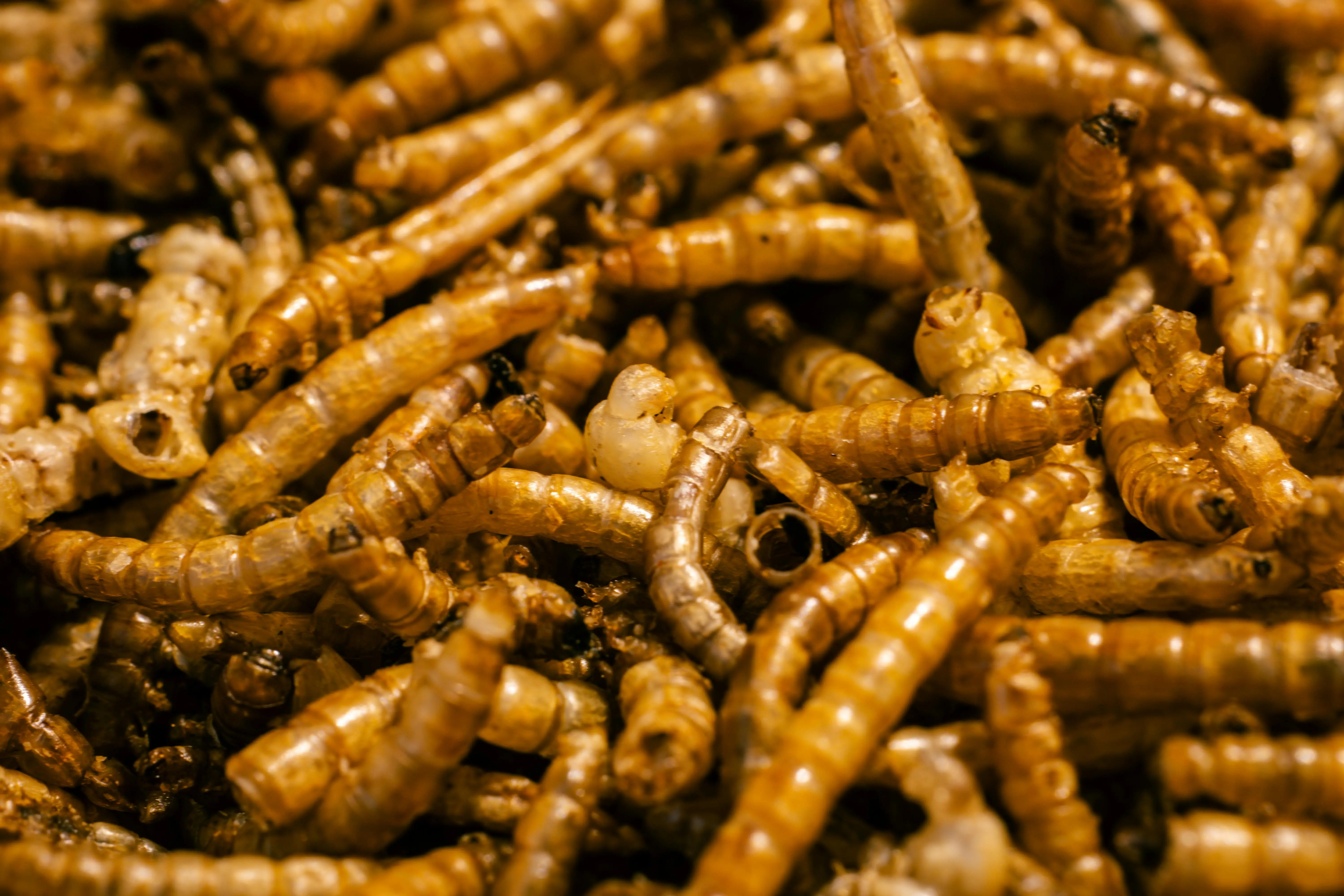
- Live Mealworms: These are the gold standard. Their movement naturally attracts insectivorous birds, and they provide the highest nutritional value in terms of protein and fat. You can purchase them from pet stores or online suppliers. Store them in a cool, dark place with some oat bran and a slice of potato or carrot for moisture, changing out the vegetable often.
- Dried Mealworms: A convenient alternative to live mealworms. They are shelf-stable and easy to store. While not as enticing as live ones, some birds, including bluebirds, will readily eat them, especially if rehydrated by soaking them in warm water for 10-15 minutes before offering. This makes them softer and more appealing.
- Mealworm Pellets/Cubes: Some manufacturers offer compressed mealworm pellets or cubes. These are easy to handle and can be a good supplement, though they rarely have the same appeal as whole mealworms.
- Other Insect-Based Foods: Occasionally, you might find other dried insects, such as dried crickets or grubs, specifically formulated for insectivorous birds. These can be offered in mealworm feeders as an additional treat or a way to diversify the diet.
- Fruit & Suet (Occasionally): While bluebirds primarily eat insects, they will also consume berries and some fruits, especially in winter. Small pieces of cut fruit or suet crumbles can be offered in a separate feeder or sparingly in a spacious mealworm feeder, primarily as a supplemental food source.
Remember to always use high-quality, fresh food. Avoid any mealworms that look moldy or have an unusual smell. By offering a variety, with live mealworms as your primary offering, you’ll create an irresistible feast for bluebirds and other desirable insect-eating birds in your yard.
Addressing Common Challenges with Mealworm Feeders
While mealworm feeders are incredibly effective, you might encounter a few common challenges. Knowing how to address these will ensure your bird-feeding efforts remain successful and enjoyable.
Problem: Attracting Unwanted Visitors (Starlings, Sparrows, Squirrels)
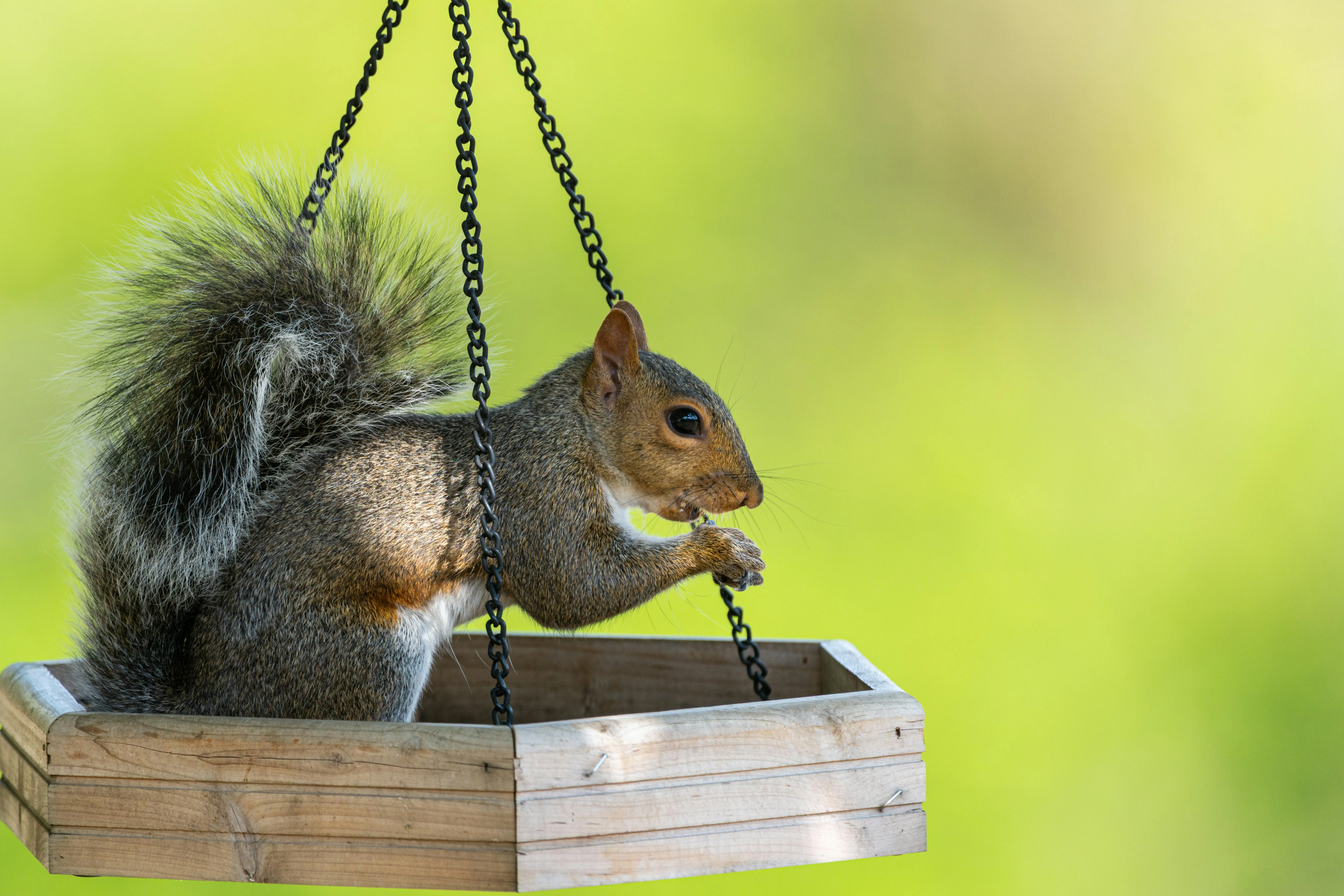
Larger birds like starlings and house sparrows, as well as squirrels, are often quick to discover an easy meal. This can deter bluebirds and quickly deplete your expensive mealworm supply. Solution: Invest in a caged mealworm feeder. These feeders have wire caging with openings large enough for bluebirds to enter but too small for larger birds and squirrels. You can also try a weight-sensitive feeder that closes under the weight of heavier creatures. For squirrels, consider using a baffle on the pole your feeder hangs from or mounts on.
Problem: Mealworms Disappearing Too Quickly
If your mealworms are gone almost as soon as you put them out, it could be due to excessive visits from non-target birds, or simply a very high demand from your bluebirds! Solution: Start by offering smaller quantities more frequently, perhaps twice a day. This ensures freshness and reduces waste. Using a caged feeder, as mentioned above, will also help ration the supply for your intended visitors. Observe who is eating them to identify the culprits.
Problem: Bluebirds Not Discovering the Feeder
Sometimes, bluebirds might take a while to find a new food source, especially if they are not common in your area yet. Solution: Be patient and consistent. Try placing the feeder in a visible, but safe, location within their known habitat. Offering a small amount of live mealworms early in the morning when they are actively foraging can help. Sometimes, placing a bluebird house nearby can also signal to them that your yard is a welcoming environment. A splash of bright color (like a blue ribbon) near the feeder can also catch their eye initially.
Problem: Mealworms Dying or Molding
Live mealworms require proper care, and even dried ones can go bad if not stored correctly. Solution: For live mealworms, store them in a cool, dark place (like a refrigerator, but not freezing) in a container with oat bran and a piece of potato or carrot for moisture and food. Change the vegetable every few days. For dried mealworms, keep them in an airtight container in a cool, dry place. Always ensure your feeder has good drainage to prevent water accumulation, which can cause mealworms to spoil. Clean your feeder regularly to remove old food and prevent mold.
FAQ About Mealworm Feeders
What kind of mealworms are best for bluebirds?
Live mealworms are by far the best and most preferred by bluebirds due to their movement and high nutritional content. Dried mealworms can also be offered, especially if rehydrated, but live ones are usually more successful at attracting these birds.
Where should I place my mealworm feeder?
Place your feeder in an open, grassy area, about 5-6 feet off the ground, with nearby trees or shrubs for perching and cover. Avoid dense foliage where predators might hide. Visibility and safety are key.
How often should I put out mealworms?
Consistency is important. Start with a small amount (e.g., a quarter cup) once or twice a day, usually in the morning and late afternoon. Adjust the quantity and frequency based on how quickly the mealworms are consumed and the number of birds visiting.
How do I keep starlings and squirrels out of my mealworm feeder?
The most effective solution is to use a caged mealworm feeder. These feeders have wire mesh openings that allow smaller birds like bluebirds to enter while deterring larger birds and squirrels. Baffles on poles can also deter squirrels.
Do bluebirds eat anything else from feeders besides mealworms?
While mealworms are their favorite, bluebirds will also occasionally eat small pieces of fruit, berries, and suet crumbles, especially during colder months when insects are scarce. However, mealworms should be your primary offering in specialized feeders.
Conclusion: Embrace the Joy of Mealworm Feeders in Your Garden
Adopting mealworm feeders in your backyard is more than just providing food; it’s about creating a thriving sanctuary for some of nature’s most enchanting birds. By understanding the dietary preferences of bluebirds, choosing the right feeder, placing it strategically, and maintaining consistency, you unlock the potential to witness a daily spectacle of vibrant color and cheerful song right outside your window. The joy of observing bluebirds as they swoop in for a mealworm, or even the satisfaction of knowing you’re providing essential nourishment for nesting pairs, is truly unparalleled for any bird enthusiast. Remember, this isn’t just a trend; it’s a commitment to supporting local wildlife. Start small, be patient, and soon you’ll find your garden bustling with the beautiful presence of bluebirds and other insect-eating songbirds. So, take the leap, set up your mealworm feeders today, and prepare to be captivated by the wonders they bring to your backyard!