
Hearing scratching or scurrying sounds coming from inside your walls? You’re likely dealing with mice in walls, a common and unsettling problem for homeowners. These small rodents can squeeze through incredibly tiny openings, making their way into the hidden cavities of your home. While they might seem harmless, a mouse in wall can cause significant damage, contaminate food, and even pose health risks. Understanding why they get in and how to effectively remove them is crucial for maintaining a healthy and safe living environment. This guide will provide actionable strategies to address and prevent a mice infestation in home, ensuring your peace of mind.
Recognizing the Signs of Mice in Walls
Before you can tackle a mice infestation, you need to confirm their presence. The most obvious sign is often auditory – hearing scratching, gnawing, or scampering sounds, especially at night when mice are most active. You might also notice small, dark droppings, typically rice-grain-sized, near food sources, in pantries, or along baseboards. Gnaw marks on food packaging, wooden structures, or electrical wires are another tell-tale sign. A musky odor, particularly in enclosed spaces, can indicate a larger infestation. Keep an eye out for rub marks or grease trails along walls and floors, as mice tend to follow the same paths. If you spot a live mouse, it’s almost certain there are many more hidden away.

Why Are Mice Attracted to Your Home?
Mice seek three primary things: food, water, and shelter. Your home provides an ideal environment, especially during colder months. Easy access to crumbs, pet food, or poorly stored pantry items can be a huge draw. Leaky pipes or condensation provide essential water sources. The warmth and protection offered by wall voids, attics, and basements create perfect nesting sites, allowing them to breed undisturbed. Small cracks in foundations, gaps around utility lines, or unsealed vents serve as perfect entry points. Understanding these attractants is the first step in effective prevention and removal.

Effective Strategies for Removing Mice in Walls
Sealing Entry Points
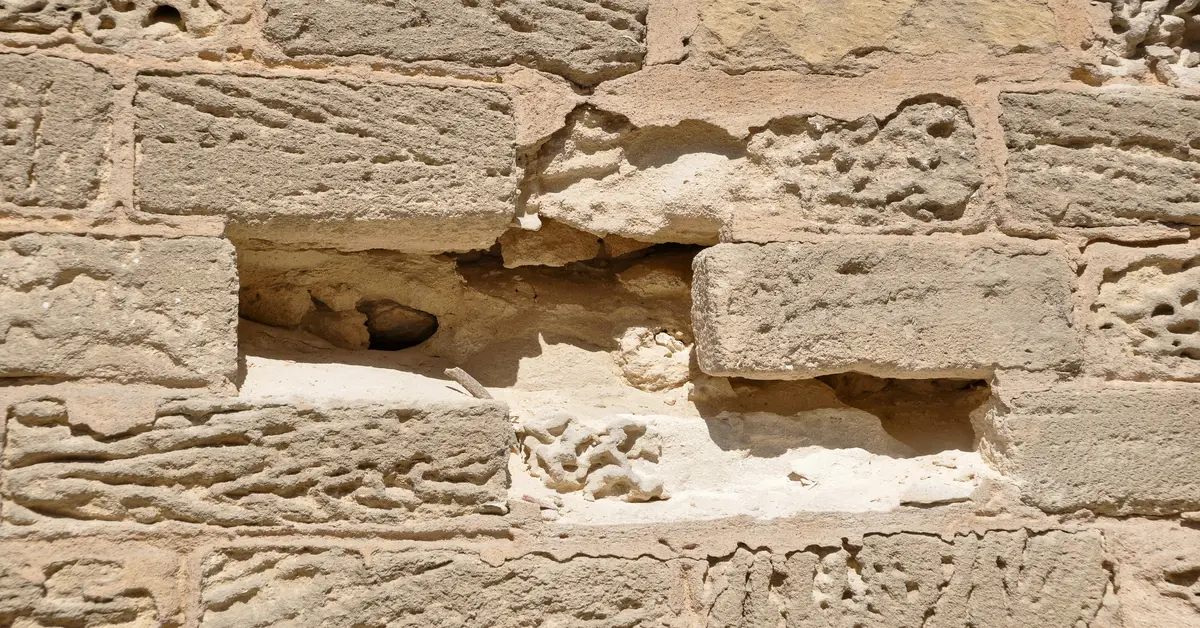
The most critical step in controlling mice in walls is to prevent new ones from entering. Inspect your home’s exterior thoroughly. Look for cracks in the foundation, gaps around pipes, wires, and vents. Seal these openings with steel wool, caulk, or copper mesh, as mice cannot chew through these materials. Pay close attention to areas where utilities enter the house. Remember, a mouse can fit through an opening as small as a dime.
Trapping and Baiting
Once inside, trapping is an effective way to reduce the population. Snap traps are generally more humane and effective than glue traps, offering a quick kill. Place traps perpendicular to walls where you’ve seen signs of activity, using bait like peanut butter, chocolate, or even nesting material. For larger infestations or hard-to-reach areas, poison baits can be used, but extreme caution is advised, especially if you have pets or children. Always follow product instructions carefully.
Sanitation and Food storage
Eliminate attractive food sources. Store all food, including pet food, in airtight containers. Clean up crumbs and spills immediately. Don’t leave dirty dishes in the sink. Regularly empty trash cans and ensure they have tight-fitting lids. A clean home is less appealing to mice seeking an easy meal.

Preventing Future Mice Infestations
Prevention is key to avoiding another mouse in wall scenario. Beyond sealing entry points and maintaining cleanliness, consider these tips: Trim vegetation away from your home’s foundation, as plants can provide cover and easy access. Store firewood away from the house and elevate it off the ground. Regularly inspect your attic, basement, and crawl spaces for any new signs of rodent activity. Consider using natural repellents like peppermint oil or ultrasonic devices, though their effectiveness can vary. Consistent vigilance is your best defense against mice.

Frequently Asked Questions About Mice in Walls
How serious is a mouse in wall problem?
Mice in walls can be quite serious. They can chew through electrical wires, increasing fire risk, damage insulation, and spread diseases through their droppings and urine. A small problem can quickly become a large infestation.
Can a mouse in wall chew through electrical wires?
Yes, mice are notorious for gnawing on electrical wires. This can create fire hazards and cause costly damage to your home’s infrastructure.
What’s the best bait for mice traps?
Peanut butter, chocolate, and even nesting materials like cotton balls are highly effective baits for mice. They are attracted to high-fat, high-sugar foods or soft materials for building nests.
How long does it take to get rid of mice in walls?
The duration depends on the severity of the infestation and the methods used. With aggressive trapping and sealing, you might see results in a few days to a couple of weeks for a small infestation. Larger ones can take longer.
Are ultrasonic pest repellers effective against mice in walls?
The effectiveness of ultrasonic pest repellers is often debated. While some homeowners report success, studies have shown mixed results. They may deter mice temporarily but are not a standalone solution for a significant infestation.

Conclusion: Reclaiming Your Home from Mice in Walls
Dealing with mice in walls can be a frustrating experience, but with a strategic approach, you can effectively resolve the problem and prevent future infestations. By understanding the signs, sealing entry points, implementing targeted trapping, and maintaining rigorous sanitation, you can reclaim your home from these unwelcome guests. Don’t let a mice infestation in home compromise your comfort or safety. Take proactive steps today to ensure a rodent-free living space. If the problem persists or seems overwhelming, consider consulting with a professional pest control service for expert assistance. Your health and peace of mind are worth it.