
Transforming a dull cement floor into an attractive and durable surface is a highly rewarding home improvement project. The right paint for cement floor can dramatically enhance both aesthetics and longevity, making your space more inviting and functional. Whether you’re tackling a garage, basement, patio, or workshop, choosing the correct product and applying it properly is crucial. This comprehensive guide will walk you through everything you need to know about selecting and using paint for cement floors, ensuring a professional and long-lasting finish.
Understanding the properties of various paints and the importance of thorough preparation are key. From cleaning and repairing cracks to selecting the perfect concrete paint colors, each step plays a vital role in the overall success of your project. Let’s dive into the essential tips that will empower you to achieve stunning results, making your cement floor a true highlight.
Why Invest in Quality Paint for Cement Floor?
Investing in high-quality paint for cement floor goes far beyond mere aesthetics. A properly painted concrete surface offers significant protection against wear and tear, moisture, and stains. This is especially true for areas like garages, where vehicle traffic, oil spills, and chemical exposure are common. A durable finish acts as a barrier, preventing deterioration and making cleaning effortless. High-traffic areas benefit immensely from the added layer of resilience provided by specialized concrete paints.
Furthermore, the right paint can dramatically improve the indoor air quality if applied in basements or other enclosed spaces by sealing off concrete dust. It also contributes to a brighter, more visually appealing environment, enhancing the overall value and usability of your property. Considering the long-term benefits of protection and visual appeal, the initial investment in quality materials and preparation pays dividends.
Choosing the Best Paint for Cement Floor
Selecting the ideal paint for cement floor involves assessing several factors, including the floor’s location (indoor or outdoor), expected traffic, and desired finish. Epoxy paints are renowned for their extreme durability and resistance to chemicals, making them suitable for garages and industrial spaces. Latex acrylic paints offer good adhesion, breathability, and are easier to apply, often favored for basements and patios. For exterior applications, specifically designed exterior paint for concrete provides superior weather resistance and UV protection.
Consider gloss levels as well – high-gloss finishes are easier to clean but can be slippery, while satin or matte finishes offer better slip resistance. Always read product labels carefully to ensure the paint is compatible with your cement surface and intended use.
Exploring Concrete Paint Colors
The vast array of concrete paint colors allows for immense creative freedom. Light colors can brighten a dark basement or garage, making the space feel larger and more inviting. Grays are popular for their contemporary look and ability to hide minor imperfections. For outdoor areas, earthy tones or vibrant hues can complement your landscaping. Consider the existing decor and the overall ambiance you wish to create. Testing small swatches in an inconspicuous area can help you visualize the final result and make an informed decision.
Essential Preparation Steps for Painting Cement Floors
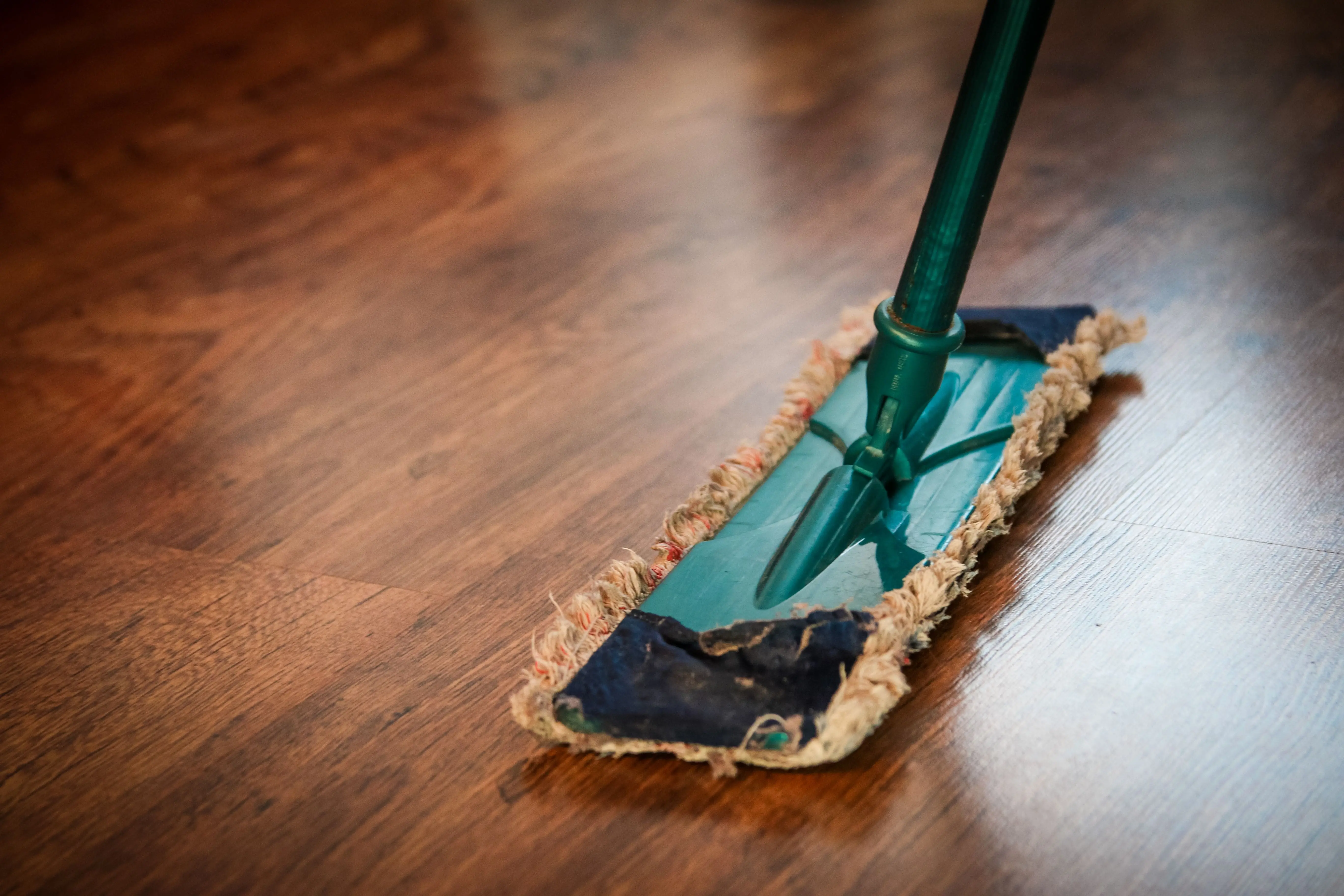
Proper preparation is the cornerstone of a successful paint job. First, thoroughly clean the cement floor to remove all dirt, grease, oil, and existing paint. A degreaser or concrete cleaner is often necessary, followed by a good rinse and complete drying. Next, address any cracks or holes with a suitable concrete patch or filler. Smooth out repairs to create an even surface. Finally, etch the concrete with an acid etching solution (or mechanical abrasion) to create a porous surface for optimal paint adhesion; this is critical, especially when using an exterior paint for concrete. Always neutralize and rinse thoroughly after etching, ensuring the surface is dry before any paint application.
Application Techniques for a Flawless Finish
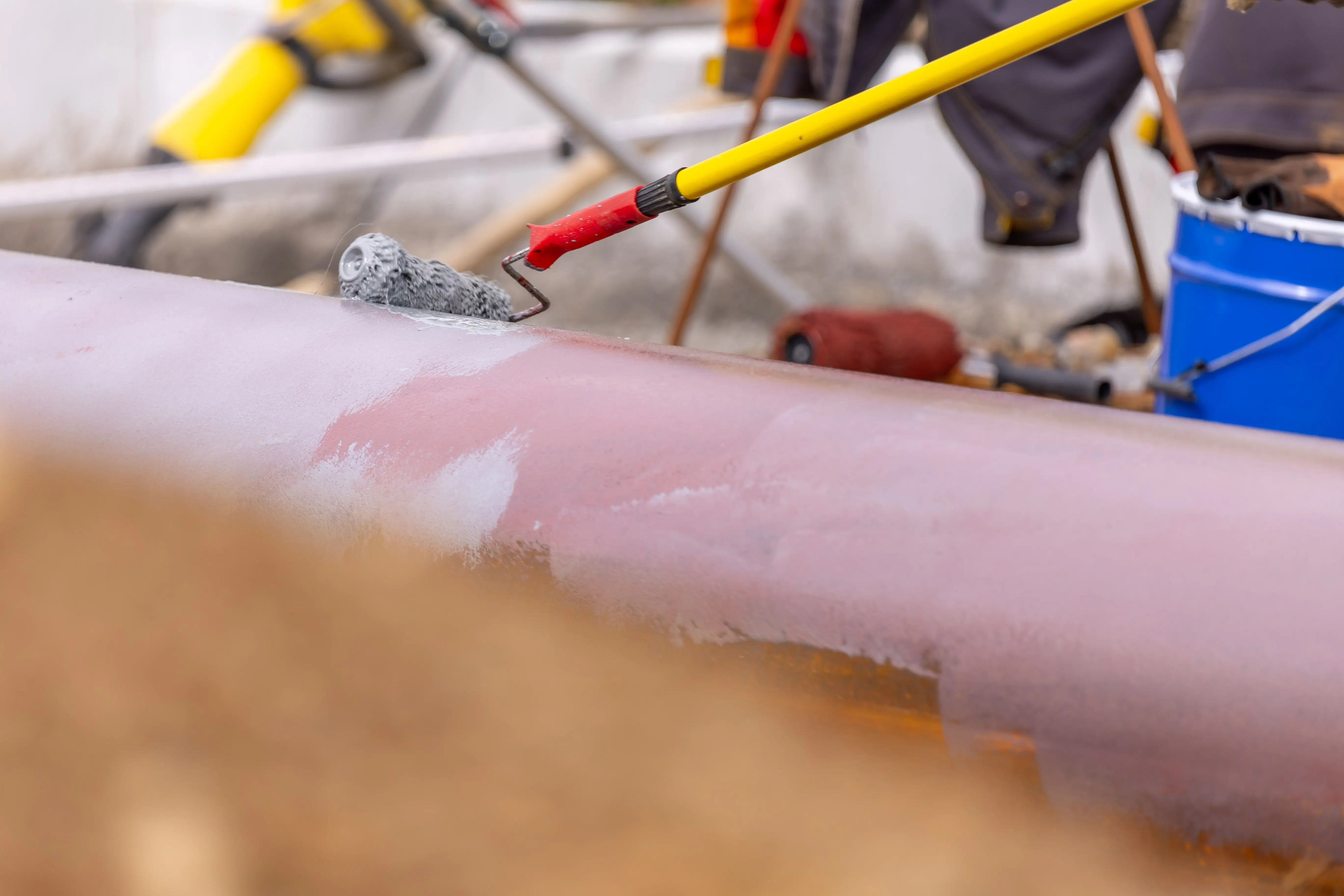
Once your cement floor is meticulously prepared, applying the paint requires careful technique. Start by cutting in the edges with a brush, then use a roller for larger areas. Apply thin, even coats to prevent bubbling and ensure proper drying. Most cement floor paints require two coats for optimal coverage and durability. Allow adequate drying time between coats, as specified by the manufacturer. For slip resistance, consider adding an anti-slip additive to the final coat or applying a clear anti-slip sealer. Proper ventilation is crucial during application and drying, especially with epoxy paints.
FAQ: Painting Your Cement Floor
What type of paint is best for a garage cement floor?
For garage cement floors, epoxy paint is highly recommended due to its exceptional durability, chemical resistance, and ability to withstand heavy vehicle traffic.
Do I need to prime my cement floor before painting?
While many modern concrete paints are self-priming, some situations, like very porous or previously unpainted concrete, may benefit from a dedicated primer to ensure optimal adhesion.
How long does paint for cement floor take to dry?
Drying times vary significantly based on the product, humidity, and temperature. Typically, allow 24 hours for light foot traffic and 3-7 days for vehicle traffic or heavy use.
Can I use regular house paint on a cement floor?
No, regular house paint is not designed for the specific demands of cement floors and will likely chip, peel, and wear quickly. Always use specialized concrete floor paint.
How do I prevent hot tire pickup on my garage floor?
Using a high-quality epoxy coating specifically designed for garage floors and allowing it to fully cure for the recommended time (often 7 days or more) is key to preventing hot tire pickup.

Conclusion: Your Durable and Beautiful Cement Floor
Successfully painting your cement floor is an achievable project that yields significant benefits. By following these expert tips – from meticulous preparation to choosing the right paint for cement floor and applying it correctly – you can ensure a beautiful, long-lasting, and highly functional surface. Whether you opt for a durable epoxy in your garage or an inviting acrylic for your patio, the results will speak for themselves. Don’t underestimate the power of careful selection and application; it will make all the difference in transforming your space. Take pride in your new, vibrant floor and enjoy its enhanced durability for years to come!