
Parrot food is more than just sustenance; it’s the foundation of your feathered friend’s health, happiness, and longevity. As a devoted parrot owner, understanding proper nutrition is paramount. The right diet can prevent common health issues, boost their vibrant plumage, and ensure they have the energy to thrive. Conversely, poor dietary choices can lead to a host of problems, from vitamin deficiencies to organ damage. This comprehensive guide will delve into what makes a truly healthy parrot diet, explore the dangers of common harmful ingredients, and help you make informed decisions for your cherished companion. Let’s unlock the secrets to optimal parrot nutrition together!
Understanding the Essentials of a Healthy Parrot Food Diet
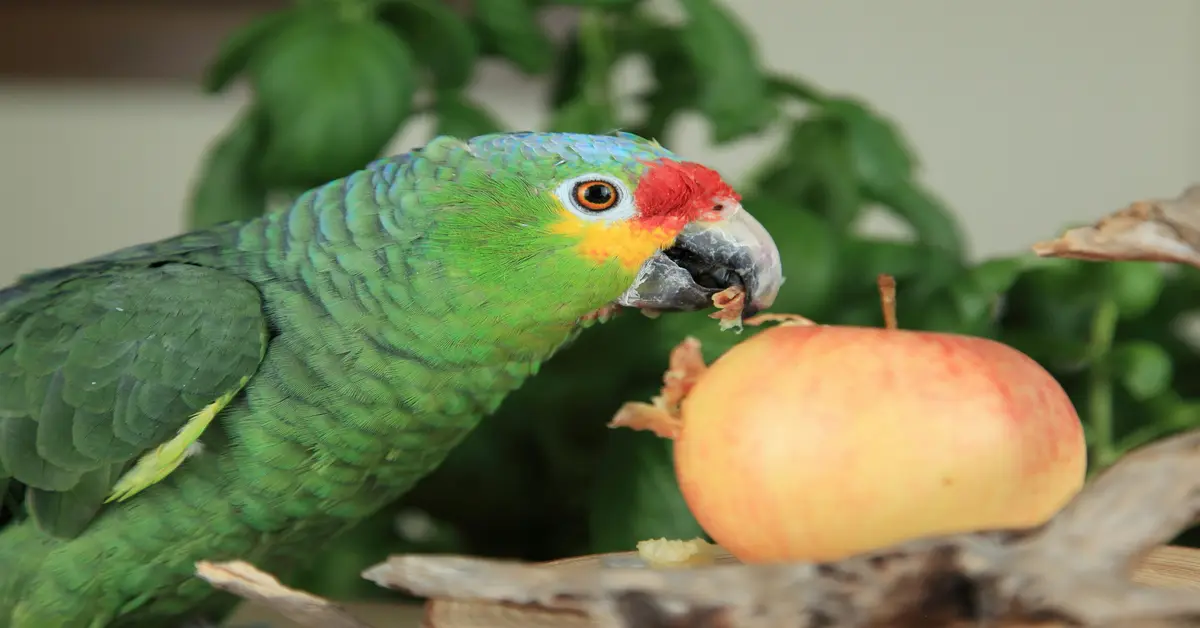
A balanced parrot food diet should closely mimic what they would find in their natural habitat. This typically involves a wide variety of seeds, nuts, fruits, vegetables, and sometimes insects. For pet parrots, this translates to a high-quality pelleted diet as the staple, supplemented generously with fresh produce. Pellets are formulated to provide a complete nutritional profile, preventing common deficiencies often seen with seed-only diets. Look for pellets that are free from artificial colors, flavors, and preservatives. Fresh fruits and vegetables like apples, berries, dark leafy greens, carrots, and bell peppers offer essential vitamins, minerals, and antioxidants. Always introduce new foods slowly and monitor your parrot’s reaction.
The Dangers of Seed-Only Diets for Parrots
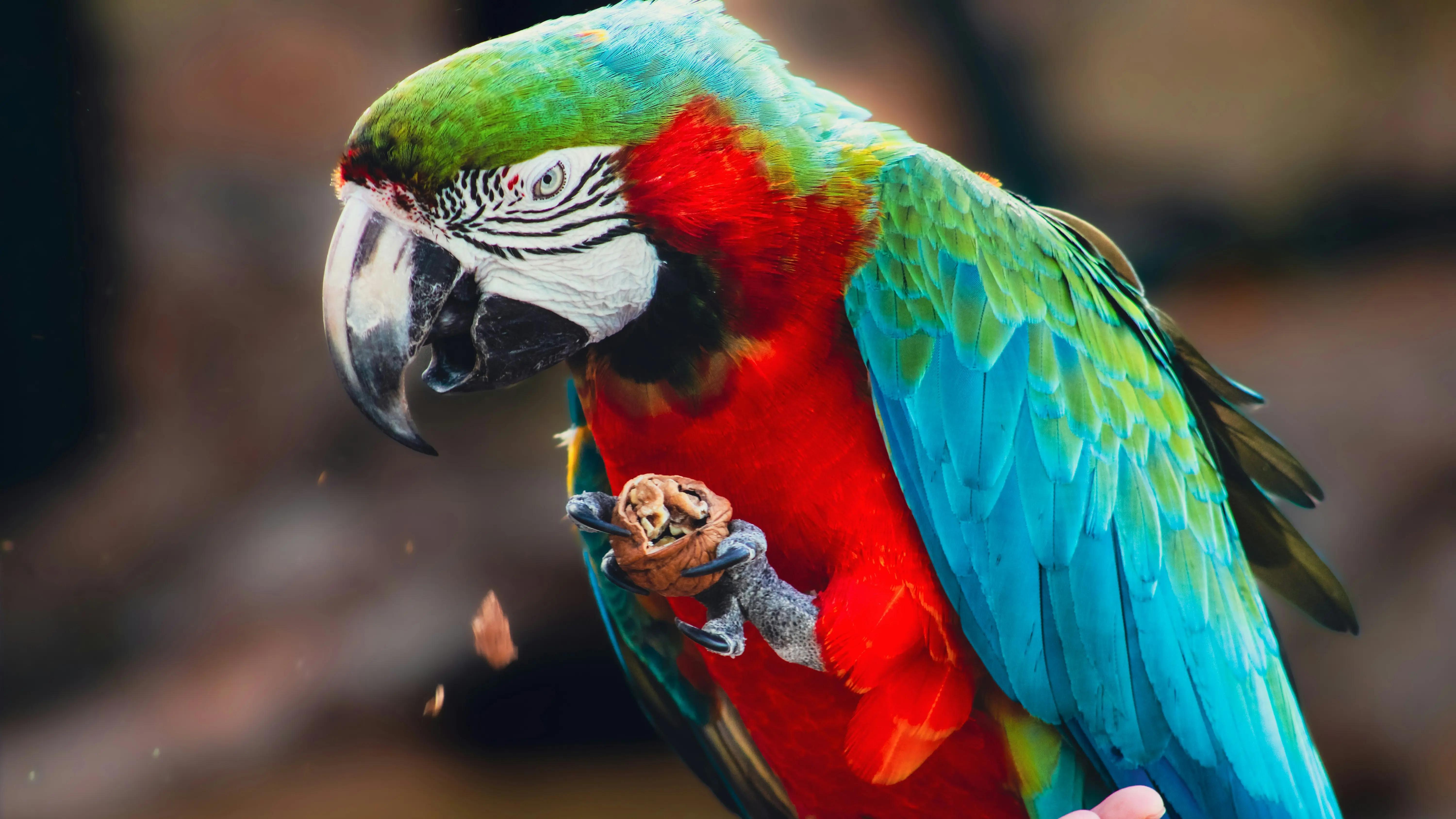
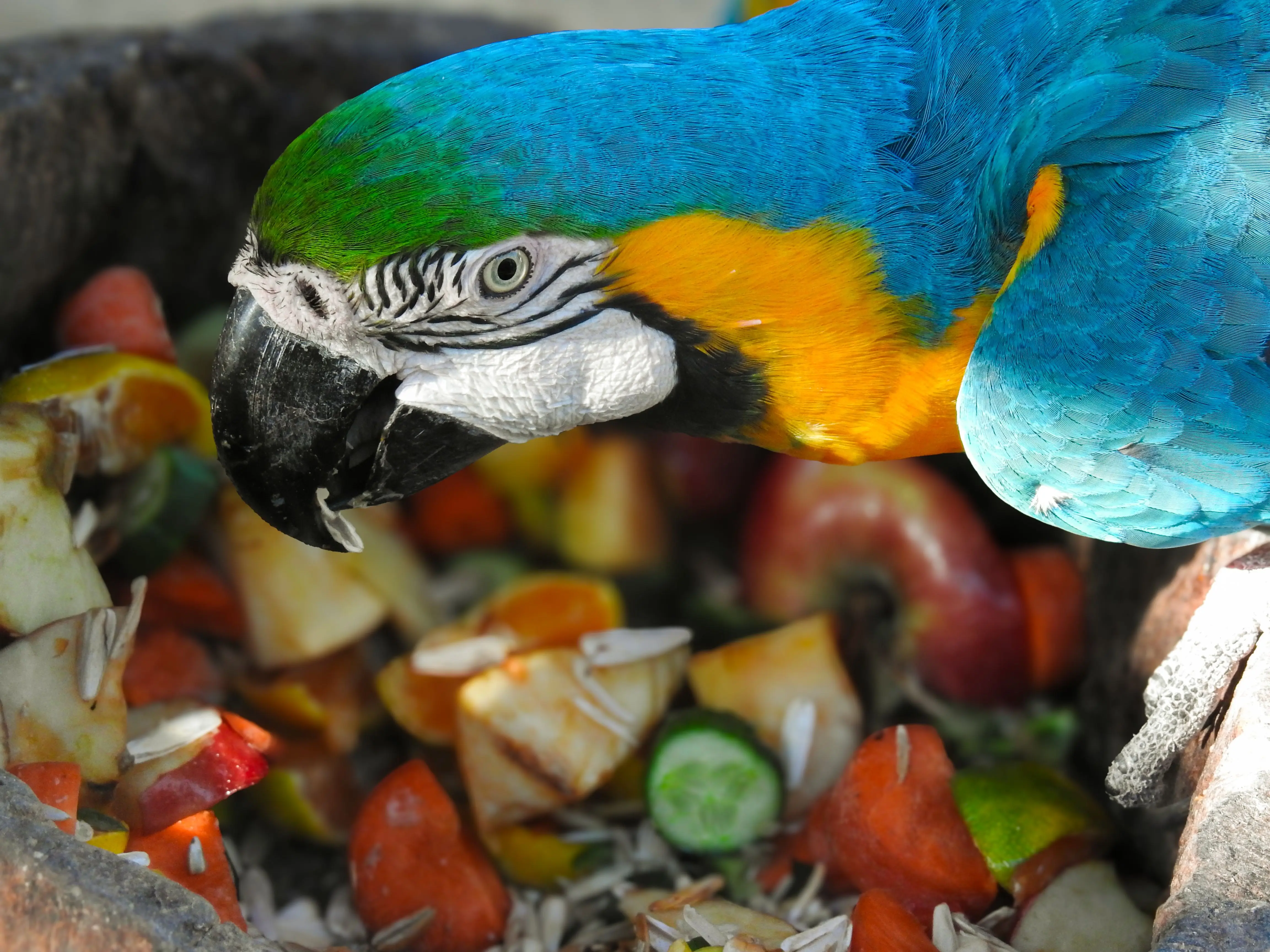
While seeds are a natural part of a parrot’s diet, an exclusive seed-only diet is often deficient in essential nutrients and excessively high in fat. This nutritional imbalance can lead to severe health problems, including obesity, liver disease, vitamin A deficiency (affecting eyes, skin, and respiratory system), and calcium deficiency (leading to brittle bones and egg-laying issues in females). Many commercially available seed mixes are akin to junk food for humans – appealing but ultimately harmful. It’s crucial to transition your parrot from a seed-heavy diet to one primarily based on high-quality pellets and fresh produce to ensure their long-term well-being and vitality.
Why Organic bird Seed Matters for Your Parrot
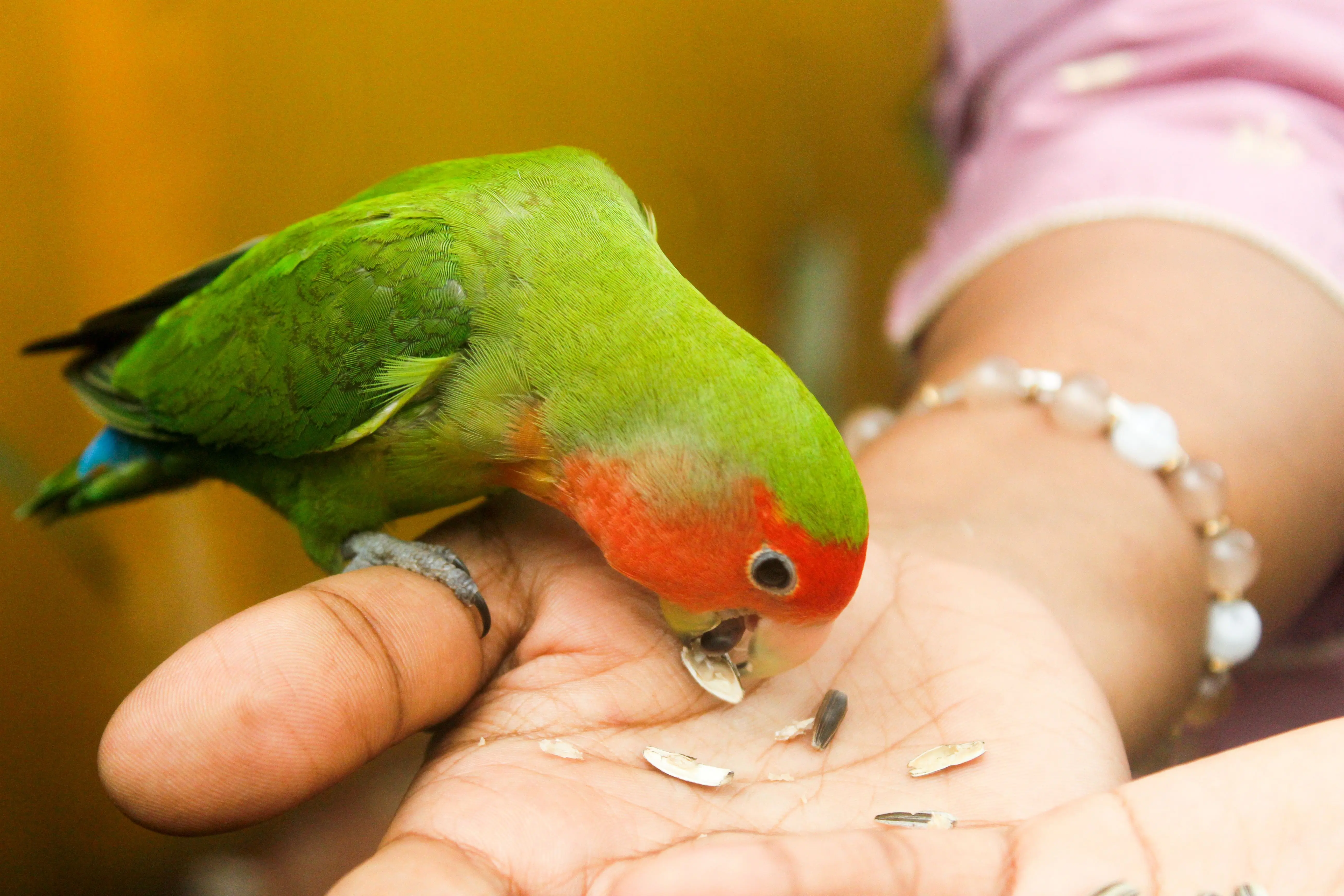
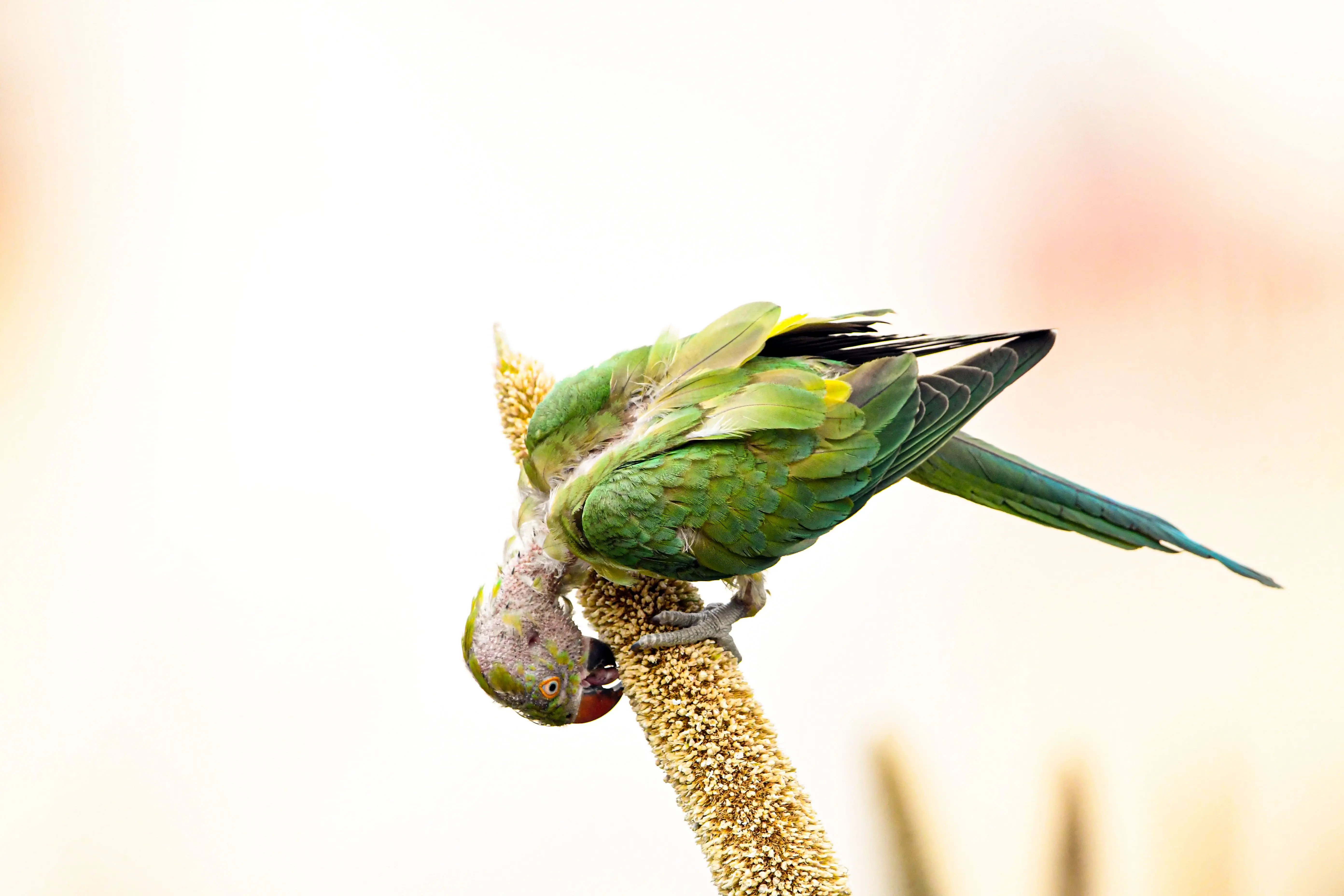
When incorporating seeds into your parrot’s diet, choosing organic bird seed can make a significant difference. Organic bird seed is grown without synthetic pesticides, herbicides, and genetically modified organisms (GMOs). These chemicals can accumulate in a parrot’s system over time, potentially leading to health problems, including weakened immune systems and liver damage. By opting for organic, you’re reducing your parrot’s exposure to harmful toxins and ensuring they receive the purest form of nutrition. Always ensure any seeds, whether organic or not, are fresh, clean, and stored properly to prevent mold growth, which can be highly toxic to birds.
Common Harmful Ingredients in Commercial Parrot Food
Not all commercial parrot food is created equal. Many cheaper brands contain fillers and unhealthy additives. Watch out for artificial colors, flavors, and preservatives like BHA, BHT, and ethoxyquin, which have been linked to health issues. Sugars, corn syrup, and excessive salt are also detrimental. Avoid products with a high proportion of sunflower seeds and peanuts, as these are high in fat and can lead to obesity and nutrient imbalances. Always read the ingredient list carefully and choose products that prioritize whole, natural ingredients.
Navigating the World of Supplements for Your Parrot
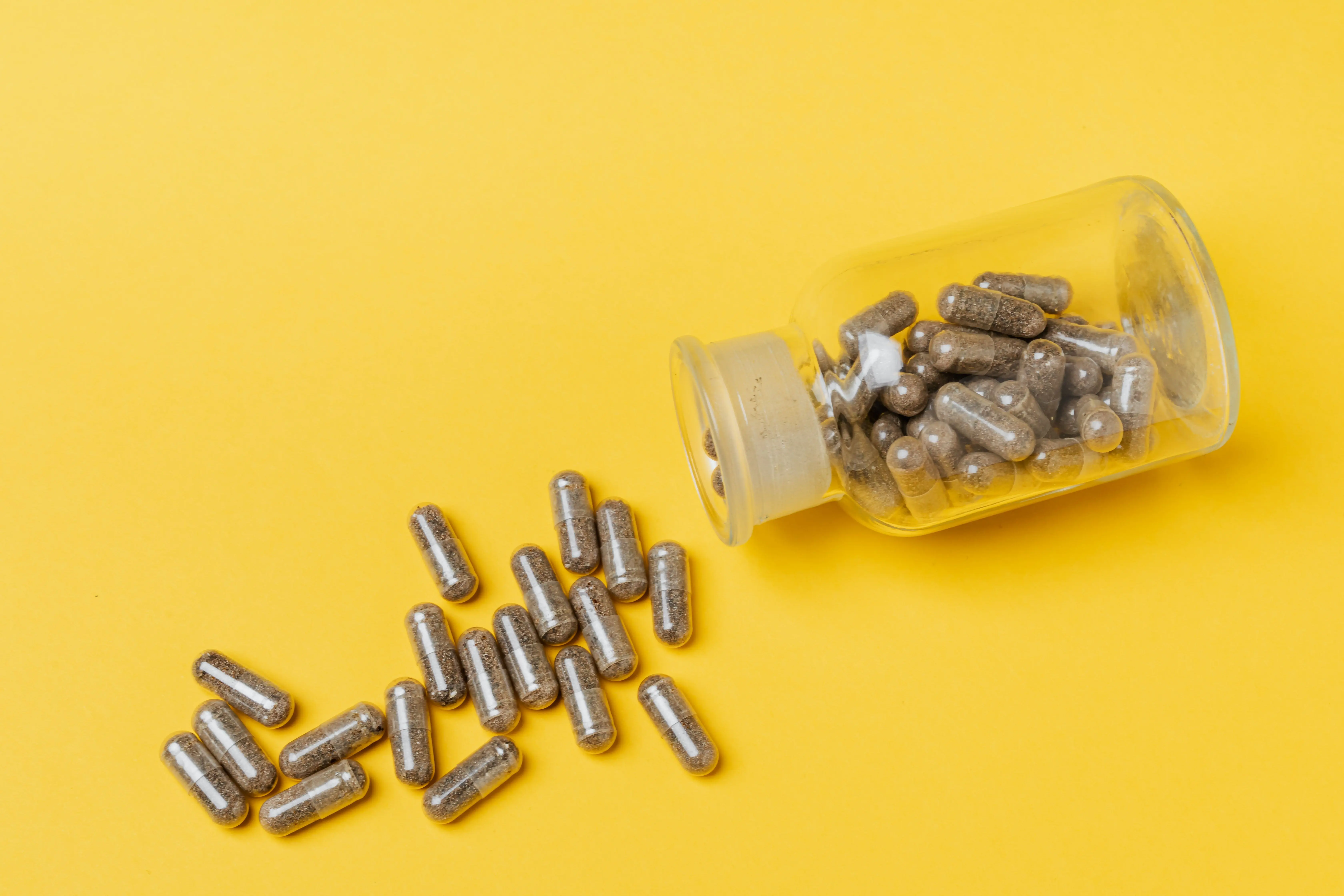
While a well-balanced diet of quality parrot food and fresh produce should provide most necessary nutrients, some parrots might benefit from supplements, especially during molting, breeding, or recovery from illness. Calcium supplements, for example, are often recommended for breeding females. However, over-supplementation can be just as harmful as deficiency. Always consult with an avian veterinarian before introducing any supplements to your parrot’s diet. They can assess your bird’s specific needs and recommend appropriate products and dosages, ensuring you don’t inadvertently cause more harm than good.

Parrot Food FAQ
What fresh foods are safe for my parrot?
Many fruits and vegetables are safe, including apples (seedless), berries, carrots, bell peppers, dark leafy greens like kale and spinach, and sweet potatoes. Always research new foods thoroughly.
How often should I feed my parrot?
Most parrots do well with food available throughout the day, as they are natural grazers. However, ensure fresh produce is replaced regularly to prevent spoilage.
Can parrots eat human food?
While some human foods are safe in moderation (e.g., cooked pasta, whole grains), avoid processed foods, avocado, chocolate, alcohol, and anything with caffeine or excessive salt/sugar.
What are common signs of poor nutrition in parrots?
Signs include dull feathers, lethargy, poor appetite, overgrown beak or nails, feather plucking, and susceptibility to illness. Consult an avian vet if you notice these.
Is a seed-only diet ever acceptable?
No, a seed-only diet is nutritionally incomplete and can lead to serious health problems. It’s crucial to offer a balanced diet of pellets and fresh foods.
Conclusion: Investing in Quality Parrot Food for a Happy Life
Choosing the right parrot food is one of the most impactful decisions you can make for your avian companion. By prioritizing a high-quality pelleted diet, supplementing with a diverse range of fresh, safe produce, and opting for organic bird seed when possible, you’re setting the stage for a long, healthy, and vibrant life for your parrot. Avoid the pitfalls of harmful ingredients and cheap fillers, and always consult with an avian veterinarian for personalized dietary advice. Your commitment to proper nutrition will be rewarded with years of joyful companionship. Discover the difference a truly excellent diet makes!