
When you spot a spider in your home, a common fear immediately arises: is it a brown recluse? This concern is understandable, given the brown recluse spider’s reputation for venomous bites. However, many spiders that look like brown recluse are actually harmless. Accurately identifying these arachnids is crucial for peace of mind and appropriate action. This guide will help you distinguish the brown recluse from its doppelgangers, ensuring you can confidently identify what’s lurking in the shadows.
Understanding the key identifiers of the brown recluse is the first step in differentiating it from other species. While many spiders share a similar brown hue and general shape, specific markings, body structures, and behaviors set the brown recluse apart. We’ll explore common look-alikes and provide actionable brown recluse identification tips to help you discern between a dangerous encounter and a harmless visitor.
The Brown Recluse Spider: Key Identifiers
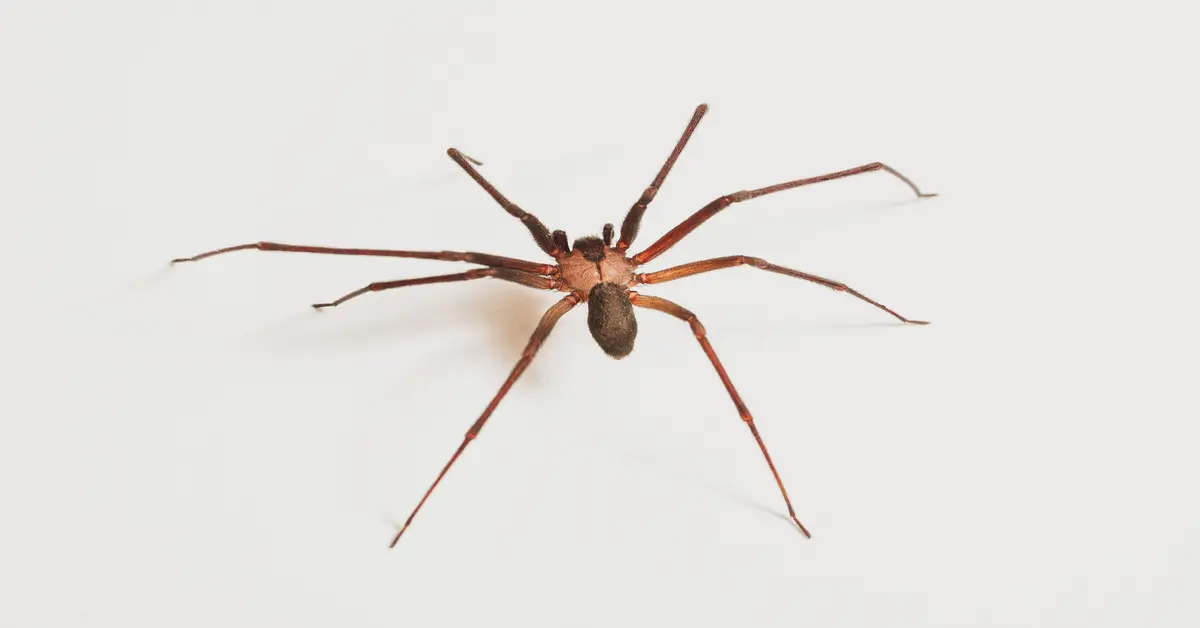
The brown recluse spider, Loxosceles reclusa, is notorious for its venomous bite. However, its appearance is often misrepresented. The most distinctive feature for brown recluse identification is the dark, violin-shaped mark on its cephalothorax (the fused head and thorax). The ‘neck’ of the violin points towards its abdomen. This mark can sometimes be faint, especially in younger spiders or after a molt. Another crucial identifier is the eye arrangement: brown recluses have six eyes arranged in pairs (dyads) in a semicircle, unlike most spiders that have eight eyes. Their legs are uniformly light brown, without stripes, spines, or bands, and their bodies are not hairy or spiny. They are also relatively small, typically measuring about a quarter to a half-inch in body length.
Distinguishing Features: Eyes and Violin Mark
Never rely solely on the violin mark, as other spiders can have similar patterns. Always combine it with the eye arrangement for a confident identification. If you see eight eyes or patterned legs, it’s highly unlikely to be a brown recluse.
Common Spiders That Look Like Brown Recluse
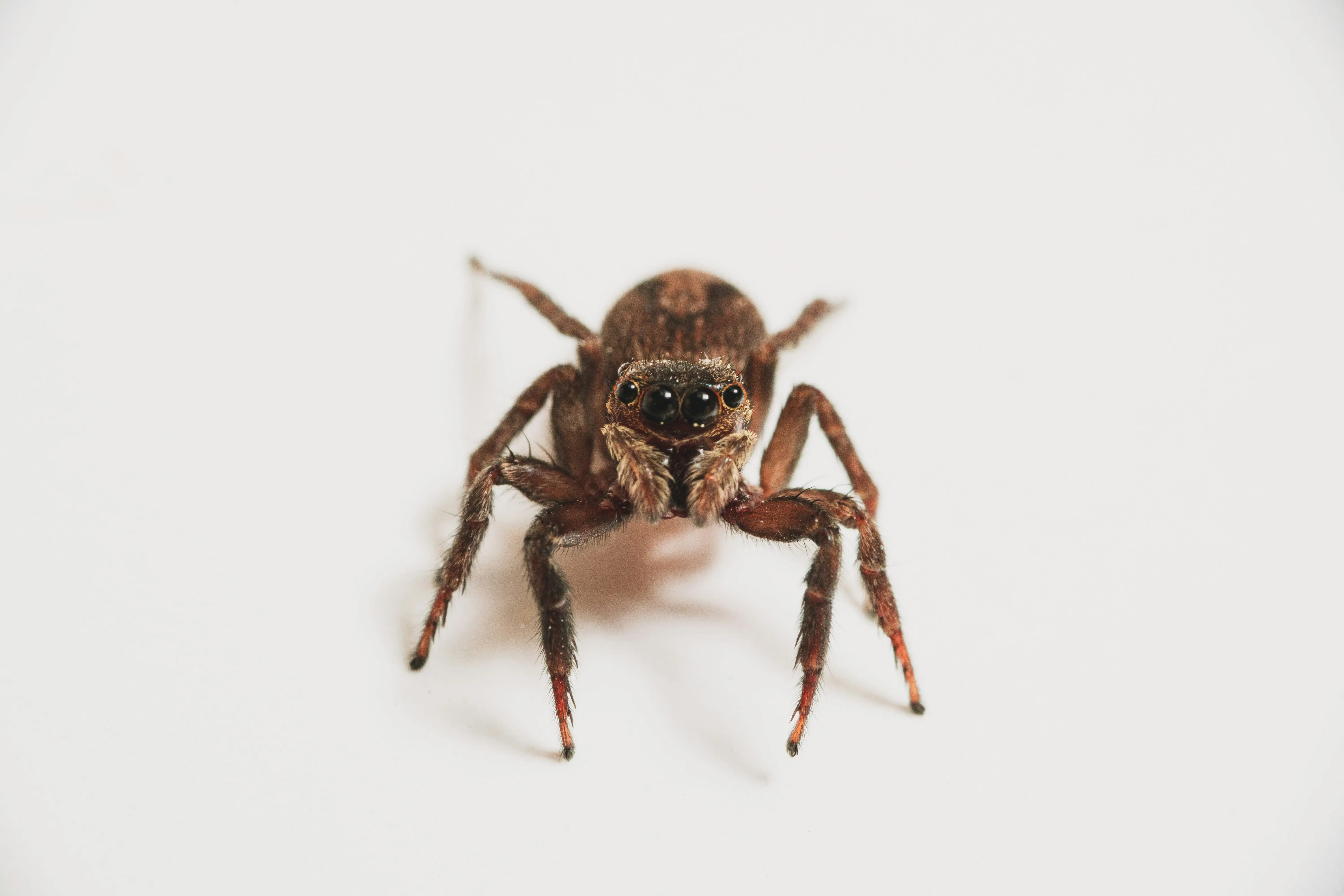
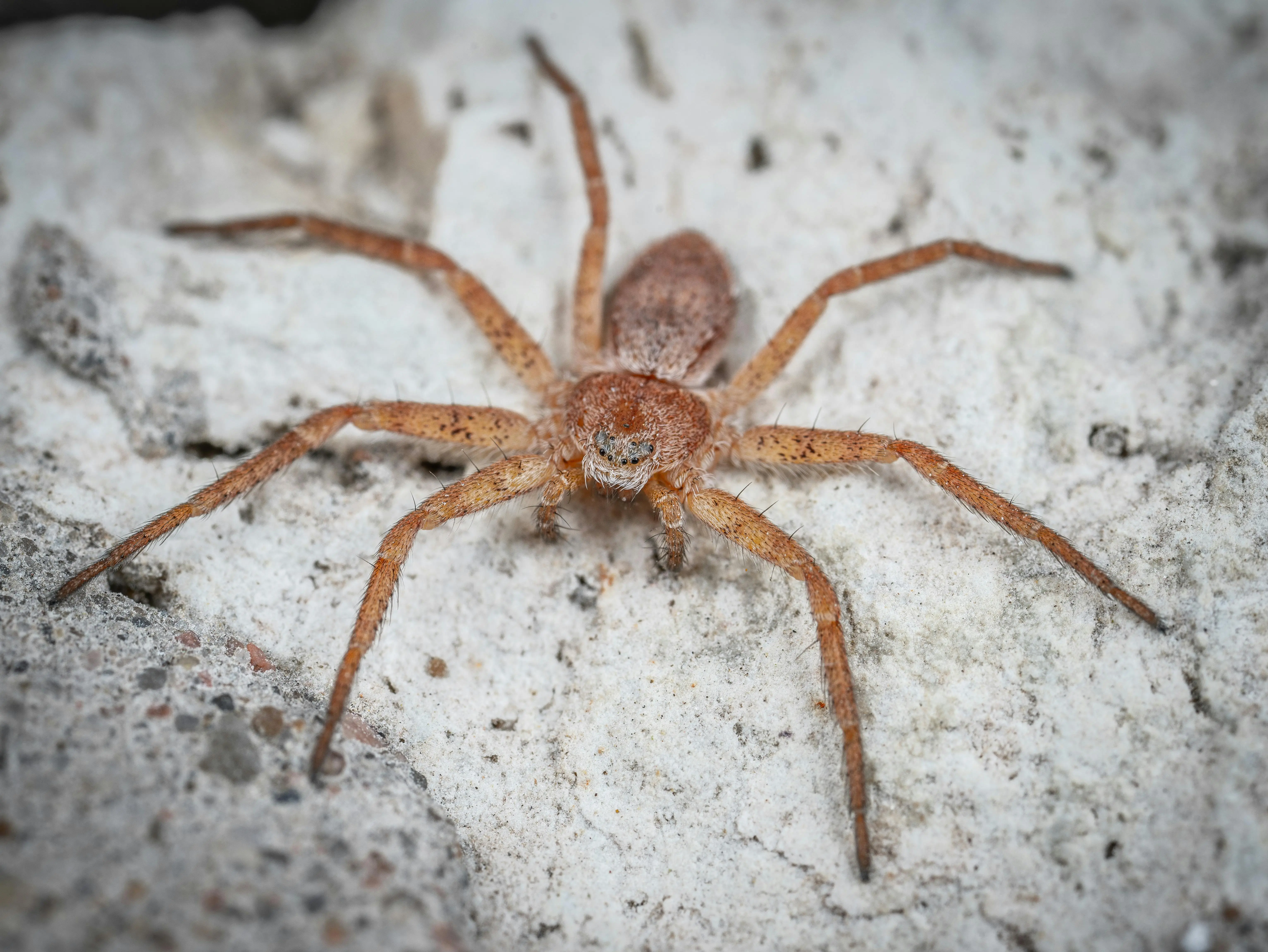
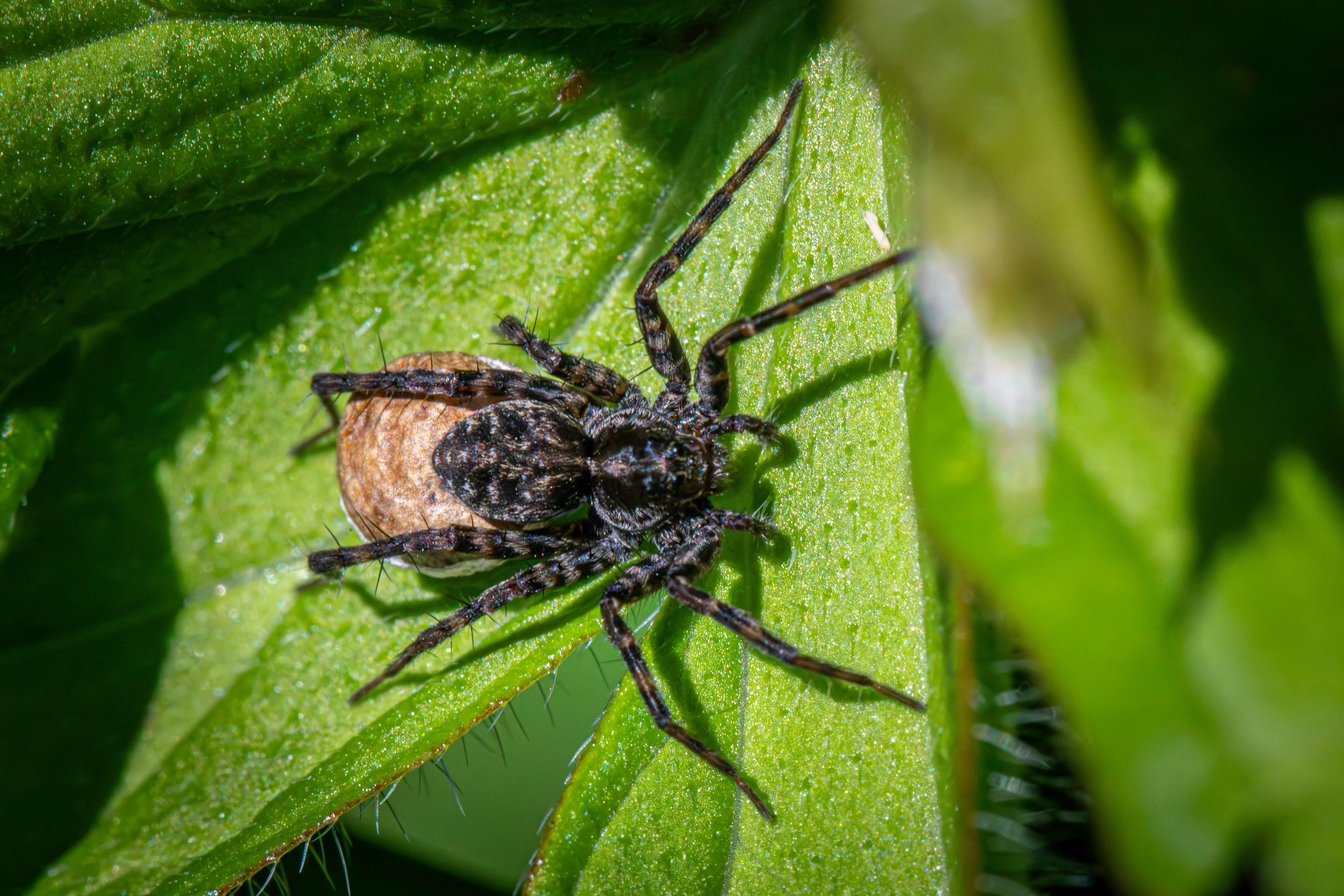
Many spiders are often mistaken for the brown recluse due to their similar color or size. Understanding these common look-alikes is essential for accurate brown recluse identification. The funnel weaver spider, for instance, often has a similar brown coloration and can cause alarm. However, funnel weavers typically build large, sheet-like webs with a funnel retreat, and they have eight eyes, not six. Another common imposter is the wolf spider. Wolf spiders are generally larger, hairier, and have a distinctive eye arrangement (two large eyes in the middle, four smaller eyes below, and two medium eyes on top). They are also active hunters, often seen scurrying across floors, unlike the reclusive brown recluse.
- Wolf Spiders: Larger, hairier, different eye pattern (8 eyes).
- Funnel Weavers: Build sheet webs, different eye pattern (8 eyes).
- Hobo Spiders: Found in specific regions, lack a clear violin, different eye pattern (8 eyes).
The Role of Geography in Brown Recluse Identification
Geographical location plays a critical role in brown recluse identification. The brown recluse spider is primarily found in the central Midwestern and South Central United States. States like Missouri, Kansas, Arkansas, Oklahoma, and Texas are within its native range. If you live outside these areas, the likelihood of encountering a brown recluse is extremely low. Many alleged brown recluse sightings in states like California, Florida, or the Northeast are almost always misidentifications. Knowing the natural habitat of these spiders can immediately rule out many encounters, reducing unnecessary panic. Always consider your location when trying to identify spiders that look like brown recluse.

What to Do If You Suspect a Brown Recluse
If you encounter a spider that you suspect might be a brown recluse, the best course of action is to exercise caution. Do not attempt to handle the spider directly. Instead, try to capture it safely in a jar or container for professional identification. Taking clear photographs from various angles can also significantly aid experts in determining the species. If you are bitten and suspect it was a brown recluse, seek medical attention promptly. While bites are rare and often mild, some can lead to necrotic lesions that require medical intervention. Always prioritize safety and professional advice when dealing with potentially dangerous spiders.
Spiders That Look Like Brown Recluse: FAQ
What are the primary identifying features of a brown recluse?
The brown recluse has a distinct dark, violin-shaped mark on its back (cephalothorax) with the ‘neck’ pointing towards the abdomen, and it possesses six eyes arranged in three pairs.
Are there any harmless spiders that look like brown recluse?
Yes, many harmless spiders, such as wolf spiders, cellar spiders, and funnel weavers, are often mistaken for brown recluses due to similar coloration or general shape.
Where are brown recluse spiders typically found in the USA?
Brown recluse spiders are native to the central Midwestern and South Central United states, including states like Missouri, Kansas, Oklahoma, and Arkansas.
What should I do if I find a spider I suspect is a brown recluse?
Do not handle it. Safely capture the spider in a container or take clear photos for professional identification. If bitten, seek medical attention.
How can I prevent brown recluse spiders from entering my home?
Seal cracks and crevices in your home’s foundation and around pipes, reduce clutter, and ensure screens on windows and doors are intact.
Final Thoughts on Brown Recluse Identification
Accurate identification of spiders that look like brown recluse is more than just academic; it’s about peace of mind and knowing how to react appropriately. By focusing on the distinctive violin-shaped marking, the six-eye arrangement, and the lack of patterned legs or hairy bodies, you can confidently distinguish a brown recluse from its many imposters. Remember, geographical location is a key factor – if you’re outside their native range, the likelihood of encountering a brown recluse is minimal. Prioritize safety, and when in doubt, consult a professional for identification. Empower yourself with knowledge to navigate your environment safely and effectively.