
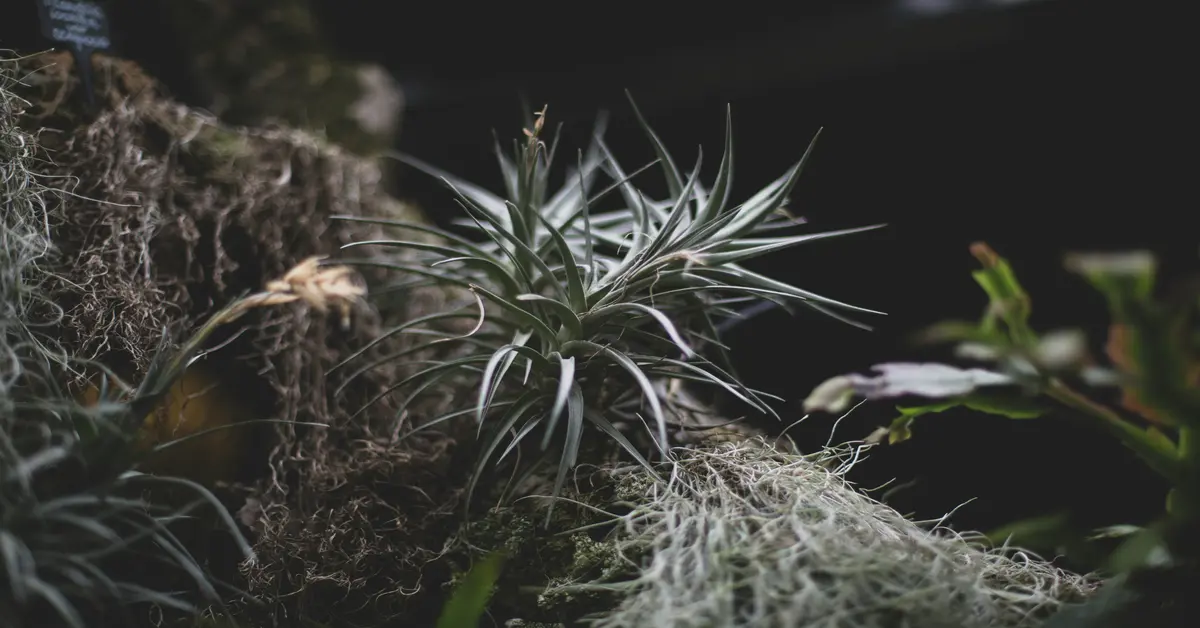
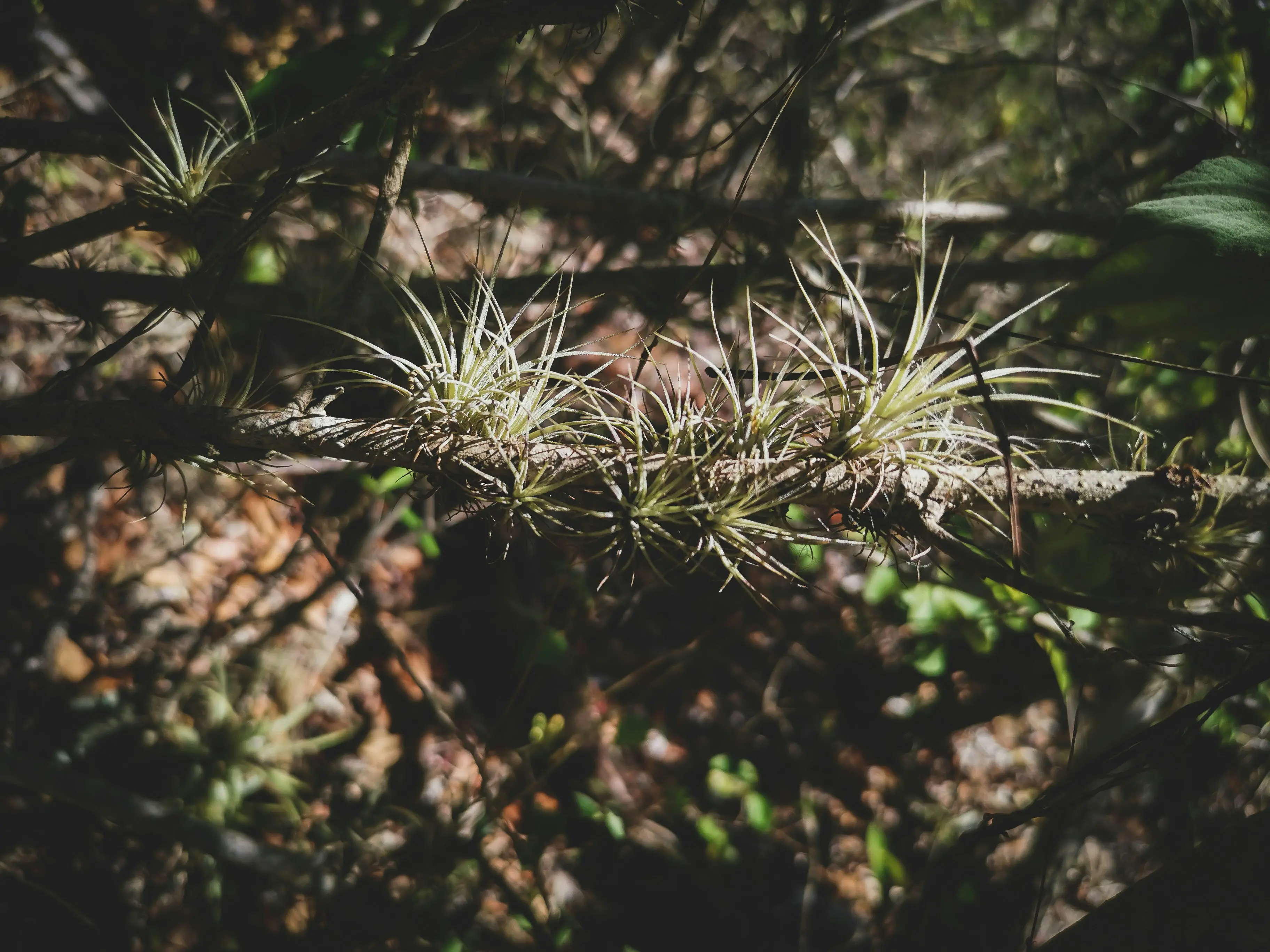
Welcome to the enchanting world of tillandsia plants/”>air plants! These unique botanical wonders, also known simply as air plants, are celebrated for their ability to thrive without soil. Unlike traditional potted plants, tillandsias absorb nutrients and moisture directly from the air through specialized scales on their leaves called trichomes. This fascinating adaptation makes them incredibly versatile for home decor and surprisingly easy to care for, even for novice plant enthusiasts. Whether you’re looking to add a touch of greenery to a minimalist space, create a living art piece, or simply enjoy a low-maintenance plant companion, tillandsia air plants offer an abundance of possibilities. Delve into our comprehensive guide to mastering the art of tillandsia care, ensuring your air plants thrive and flourish.
Understanding Tillandsia Air Plant Needs
To successfully care for your tillandsia air plants, it’s crucial to understand their fundamental needs: water, light, and air circulation. While they are resilient, providing the right environment will ensure their long-term health and vibrant growth. They are epiphytes, meaning they naturally grow on other plants or objects, not as parasites, but simply using them for support. This unique characteristic is what allows them to be displayed in so many creative ways. Learning about their origins in diverse climates, from arid deserts to humid rainforests, helps us replicate ideal conditions in our homes.
Watering Your Tillandsia Air Plants
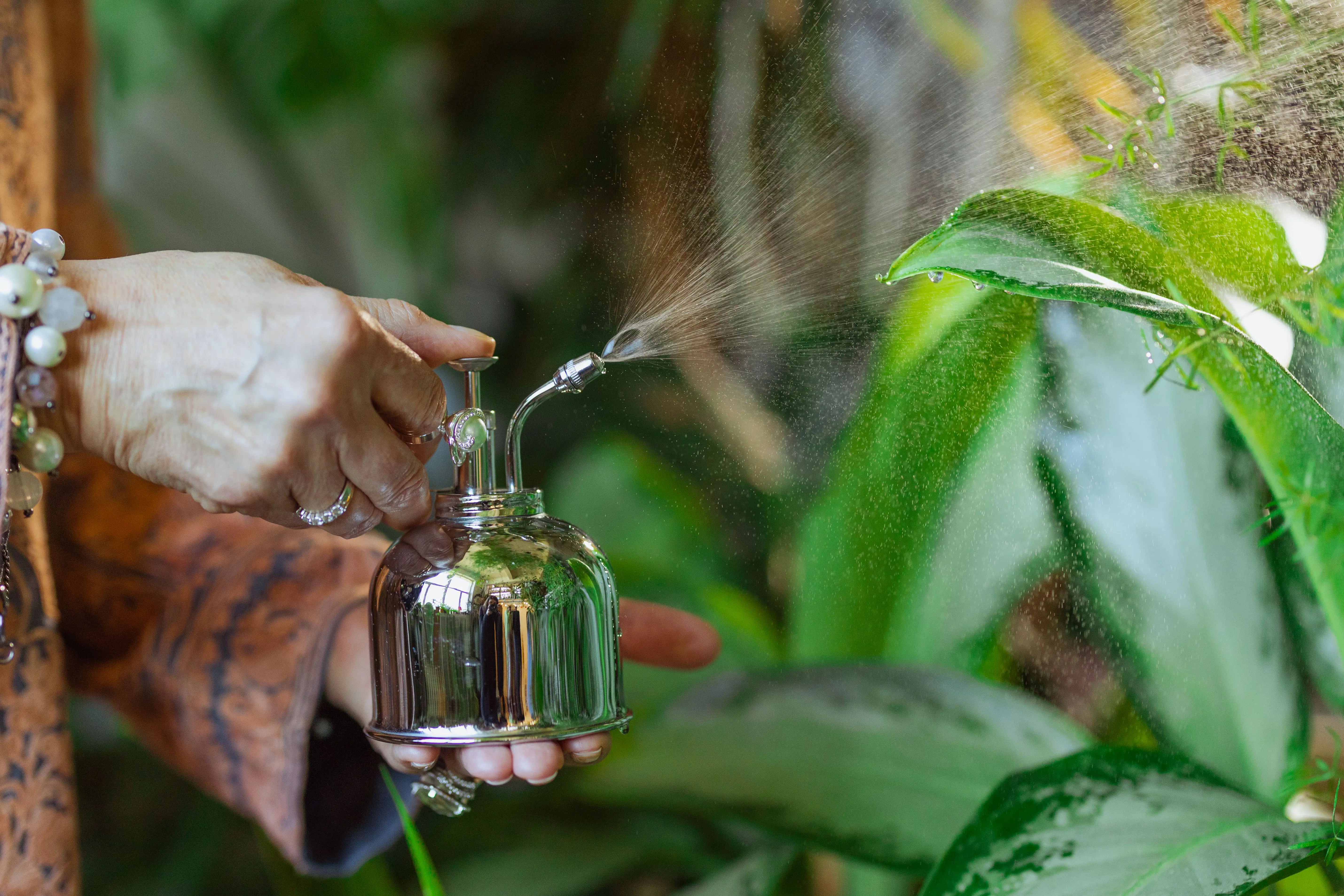
Proper watering is perhaps the most critical aspect of tillandsia air plant care. The most common method is soaking: submerge your air plant in a bowl of water for 20-30 minutes once or twice a week. Ensure the water is room temperature and not distilled, as the minerals are beneficial. After soaking, gently shake off excess water and allow the plant to dry completely in a well-ventilated area. Overly wet tillandsias are prone to rot. Misting can supplement soaking, especially in dry environments, but it should not replace it.
Optimal Light for Tillandsia Air Plants
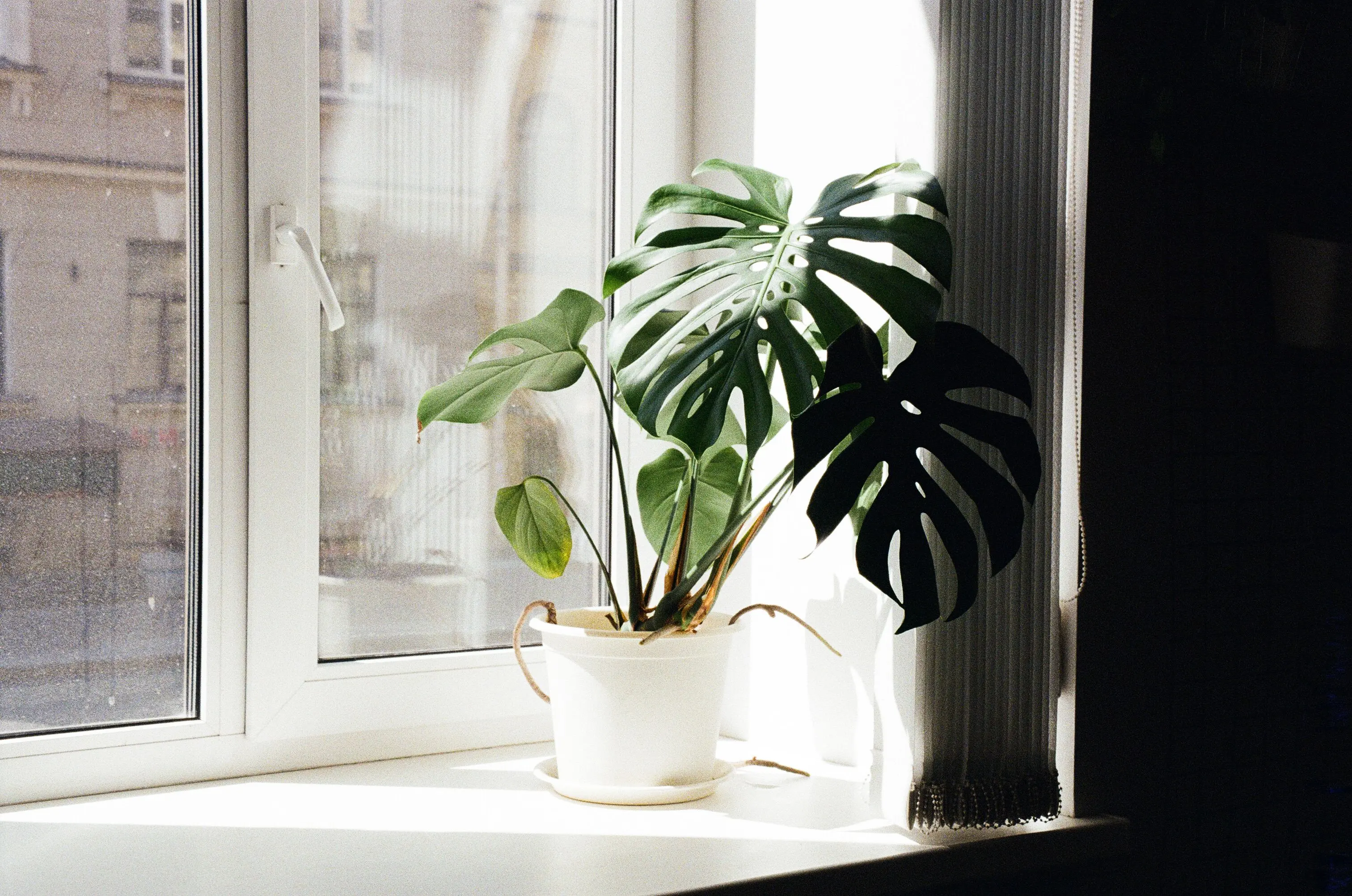
Tillandsia air plants generally thrive in bright, indirect light. Direct, intense sunlight, especially during the hottest parts of the day, can scorch their leaves. A good location would be near a window with filtered light or in a room with abundant ambient light. If natural light is scarce, they can adapt to artificial grow lights, provided they receive 12-16 hours of light daily. Observe your plant’s color; too much light can cause it to bleach, while too little can make it dull.
Air Circulation is Key
Excellent air circulation is vital for tillandsia air plants. After watering, it’s particularly important to allow them to dry completely to prevent rot. They abhor stagnant, humid conditions. Avoid placing them in enclosed terrariums without adequate ventilation or in areas with poor airflow. Good air circulation also helps them absorb airborne nutrients and prevents fungal issues. Consider placing them outdoors during warm, humid weather or near an open window indoors.
Displaying Your Tillandsia Air Plants Creatively
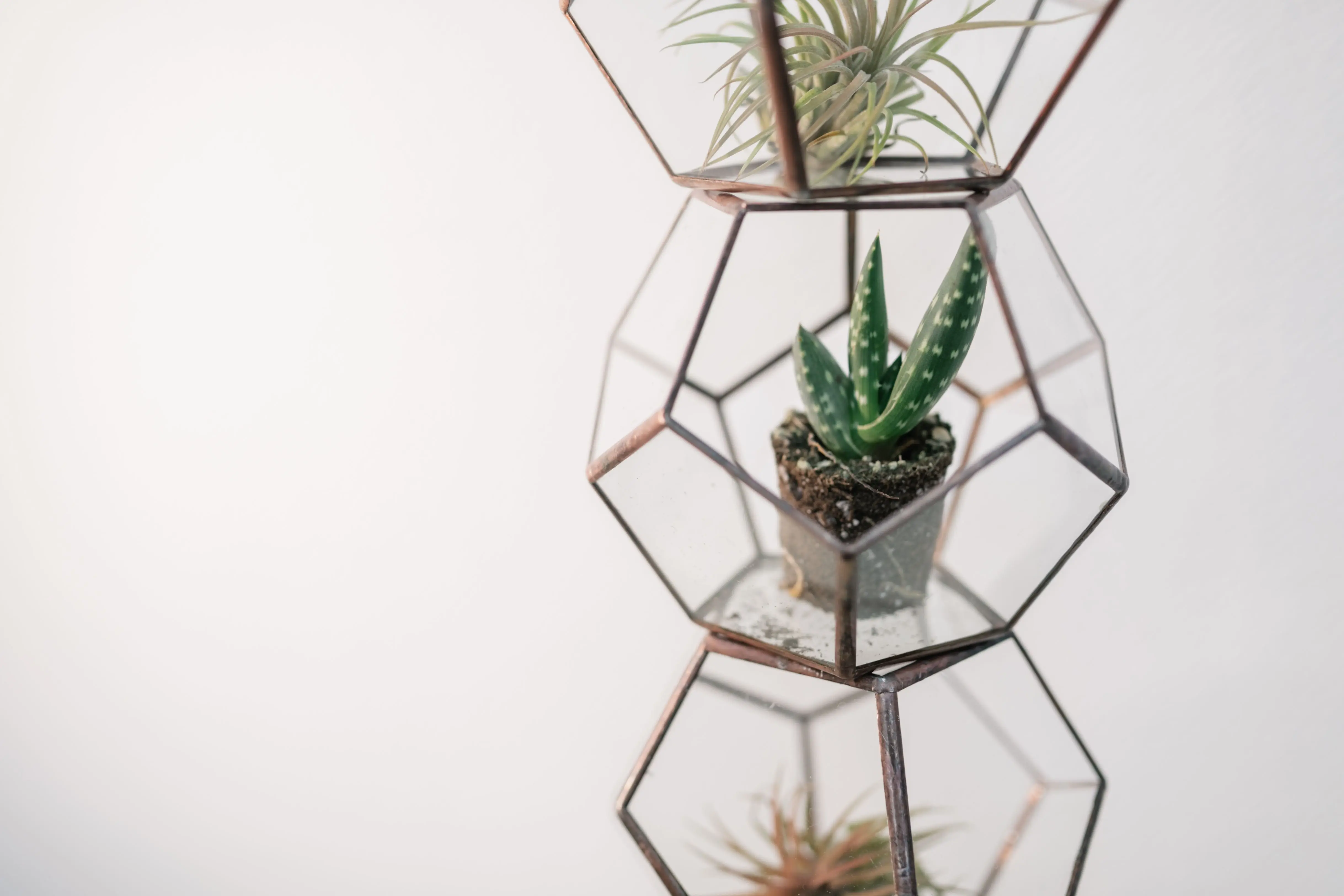
One of the joys of tillandsia air plants is their versatility in display. Since they don’t require soil, the possibilities are endless. You can place them in decorative containers, mount them on driftwood or cork bark, hang them in geometric holders, or arrange them in open terrariums. When considering air plants for sale, always think about how you’ll display them to enhance their natural beauty and ensure they still receive proper light and airflow. Experiment with different arrangements to find what best suits your aesthetic and your plant’s needs.
Common Tillandsia Air Plant Species to Consider
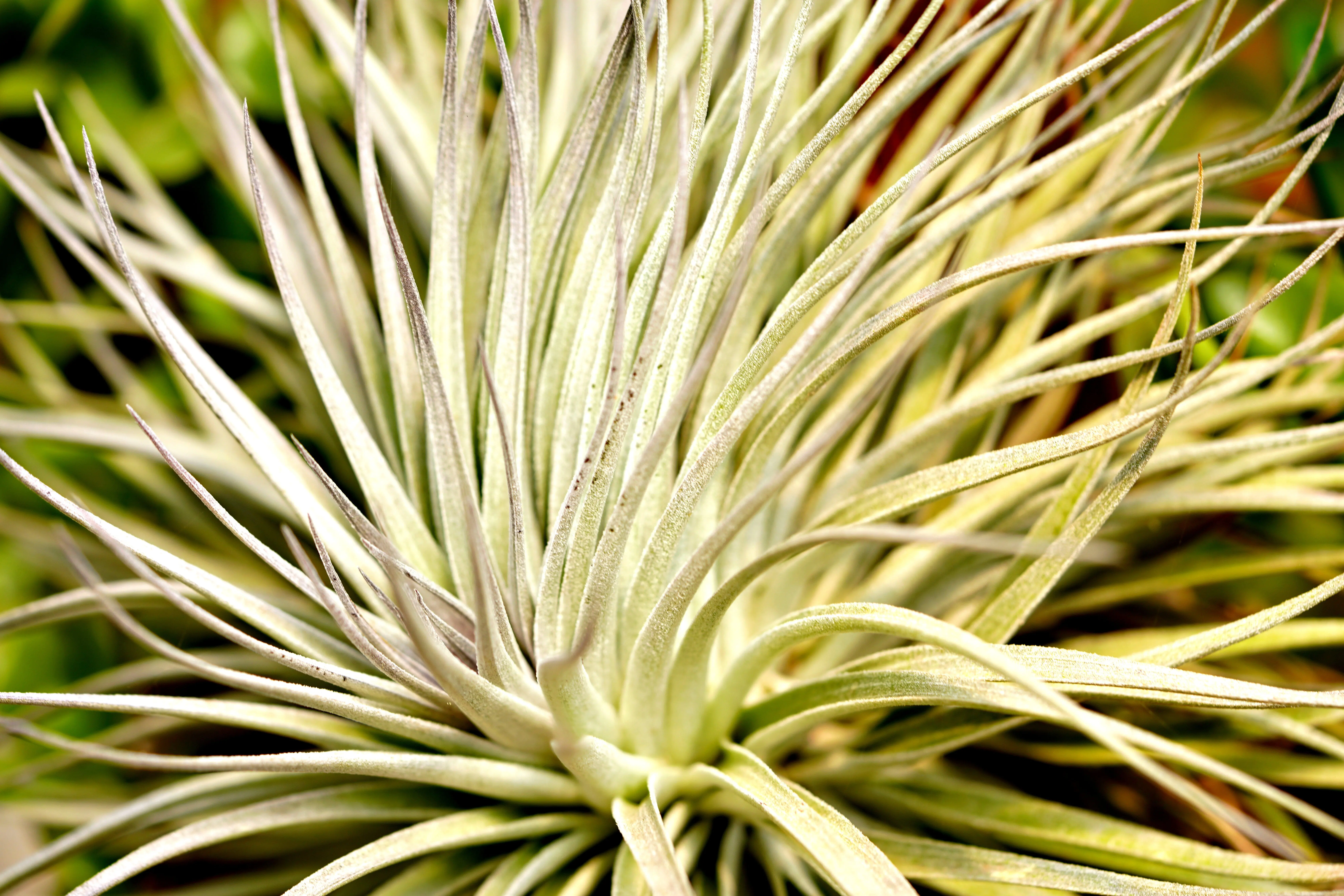
The world of tillandsia air plant species is incredibly diverse, offering a variety of shapes, sizes, and textures. Some popular choices include Tillandsia ionantha, known for its small size and tendency to blush red when blooming; Tillandsia capitata, with its soft, velvety leaves; and Tillandsia xerographica, a large, dramatic species often called the ‘King of Air Plants’. Each species has slightly different care requirements, so it’s always good to research your specific tillandsia air plants. Exploring different air plant species allows you to create captivating and dynamic plant displays throughout your home or office.
Tillandsia Air Plants: FAQ
How often should I water my tillandsia air plants?
Generally, tillandsia air plants should be soaked for 20-30 minutes once or twice a week, depending on your home’s humidity. Allow them to dry completely after soaking to prevent rot.
Can tillandsia air plants live in direct sunlight?
No, tillandsia air plants prefer bright, indirect light. Direct, intense sunlight can scorch and damage their leaves.
Do tillandsia air plants need fertilizer?
While not strictly necessary, you can use a tillandsia-specific fertilizer once a month during their growing season, diluted to 1/4 strength, added to their soak water.
What causes tillandsia air plants to rot?
Rot is typically caused by insufficient drying after watering or poor air circulation, which creates an overly moist environment where fungi can thrive.
How can I tell if my tillandsia air plant is healthy?
Healthy tillandsia air plants have firm, vibrant leaves. Dry or crispy tips may indicate underwatering, while soft or mushy bases suggest overwatering or rot.
Conclusion: Thriving with Tillandsia Air Plants
Caring for tillandsia air plants is a rewarding experience that brings a unique touch of nature into any space. By understanding their basic needs for water, light, and air circulation, you can ensure your air plants thrive and become stunning focal points. Remember to soak them regularly, provide bright, indirect light, and ensure good airflow. Whether you are adding a single tillandsia air plant to your desk or creating an elaborate living wall, these resilient beauties are sure to impress. Discover the joy of these fascinating plants and enhance your home with their effortless charm. Start your own air plant journey today and enjoy the beauty they bring!