
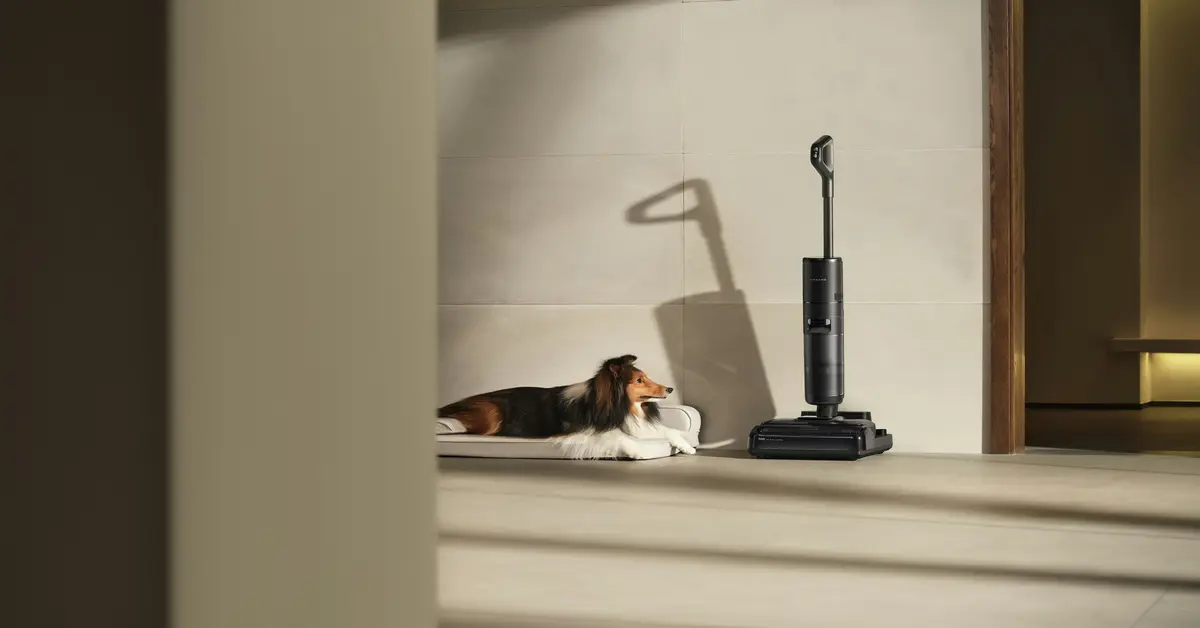
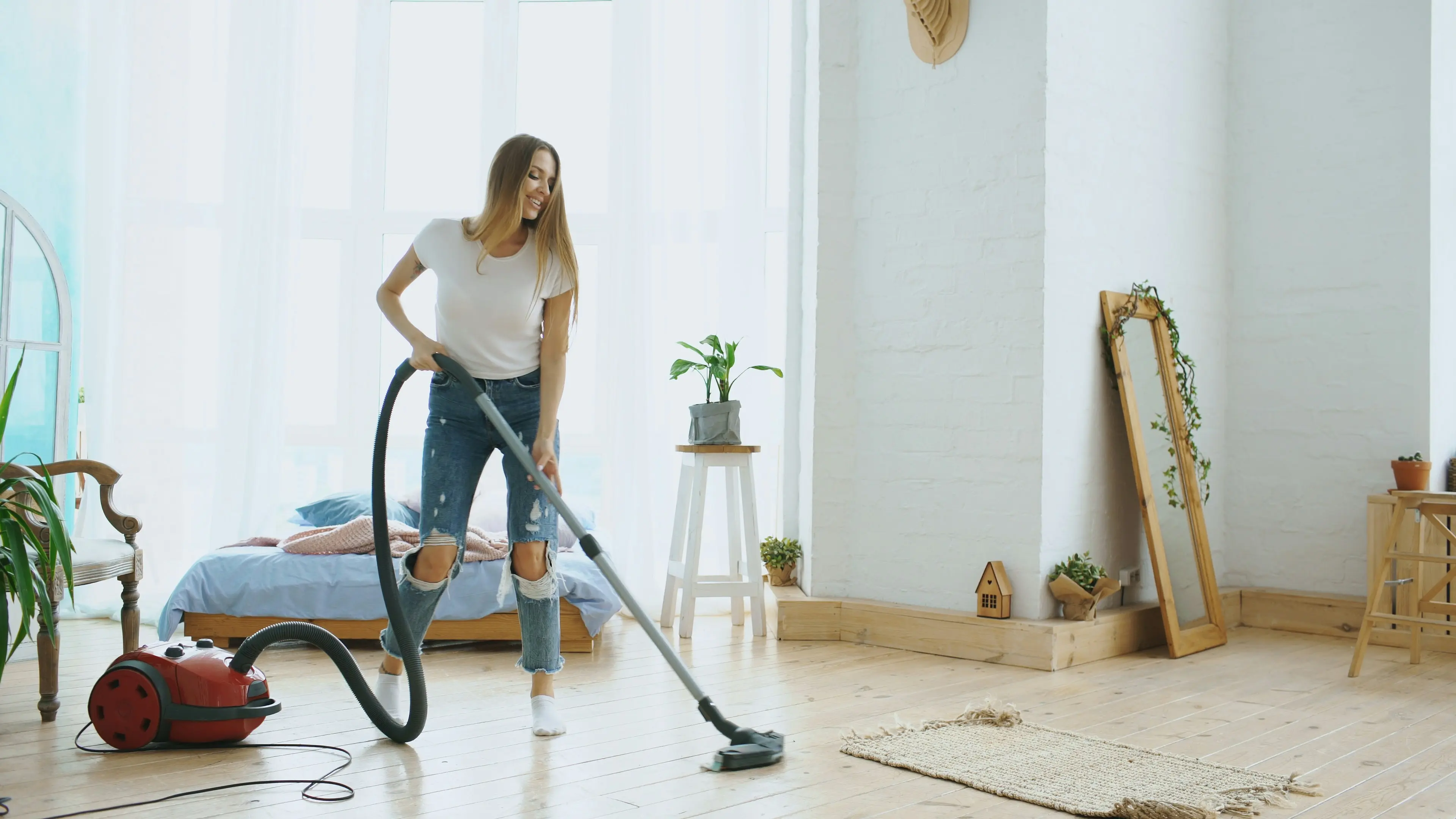
When it comes to maintaining a pristine home, few tools are as indispensable as your trusty vacuum hoovers. These powerful cleaning machines are essential for lifting dirt, dust, and debris from various surfaces, making your daily chores much more efficient. While often associated with carpets, modern vacuum hoovers are incredibly versatile, offering specialized attachments and settings that make them perfect for hard floors too, including delicate porcelain tile. Understanding how to properly utilize your vacuum can significantly impact the cleanliness and longevity of your flooring, especially when dealing with the unique challenges of porcelain tile floors.
In this comprehensive guide, we’ll delve into the world of vacuum hoovers, exploring their benefits for different floor types, with a special focus on achieving sparkling results on porcelain tile. We’ll cover key considerations when choosing a vacuum, effective cleaning techniques, and common pitfalls to avoid. Get ready to transform your cleaning routine and discover the secrets to a truly spotless home with the right vacuuming strategies.
Choosing the Right Vacuum Hoovers for Porcelain Tile Floors
Selecting the ideal vacuum hoovers for cleaning porcelain tile floors is crucial for both efficiency and floor protection. Look for models with strong suction capabilities to lift embedded dirt and fine dust from grout lines. Canister vacuums are often a great choice due to their powerful suction and maneuverability, allowing you to easily navigate around furniture and corners. Upright vacuums with brush roll shut-off features are also excellent, as the rotating brushes can scratch porcelain if not disengaged. Consider vacuums with soft bristles or specialized hard floor attachments that won’t damage the tile surface. Bagless models are convenient, but ensure they have good filtration to prevent dust re-circulation. For optimal cleaning, a HEPA filter is a significant advantage.
Key Features for Hard Floors
- Brush Roll Shut-Off: Prevents scratches on delicate surfaces.
- Strong Suction: Essential for picking up fine dust and dirt.
- Soft Attachments: Gentle on porcelain tile.
- HEPA Filtration: Traps allergens and fine particles.
Mastering Cleaning Porcelain Tile Floors with Your Vacuum
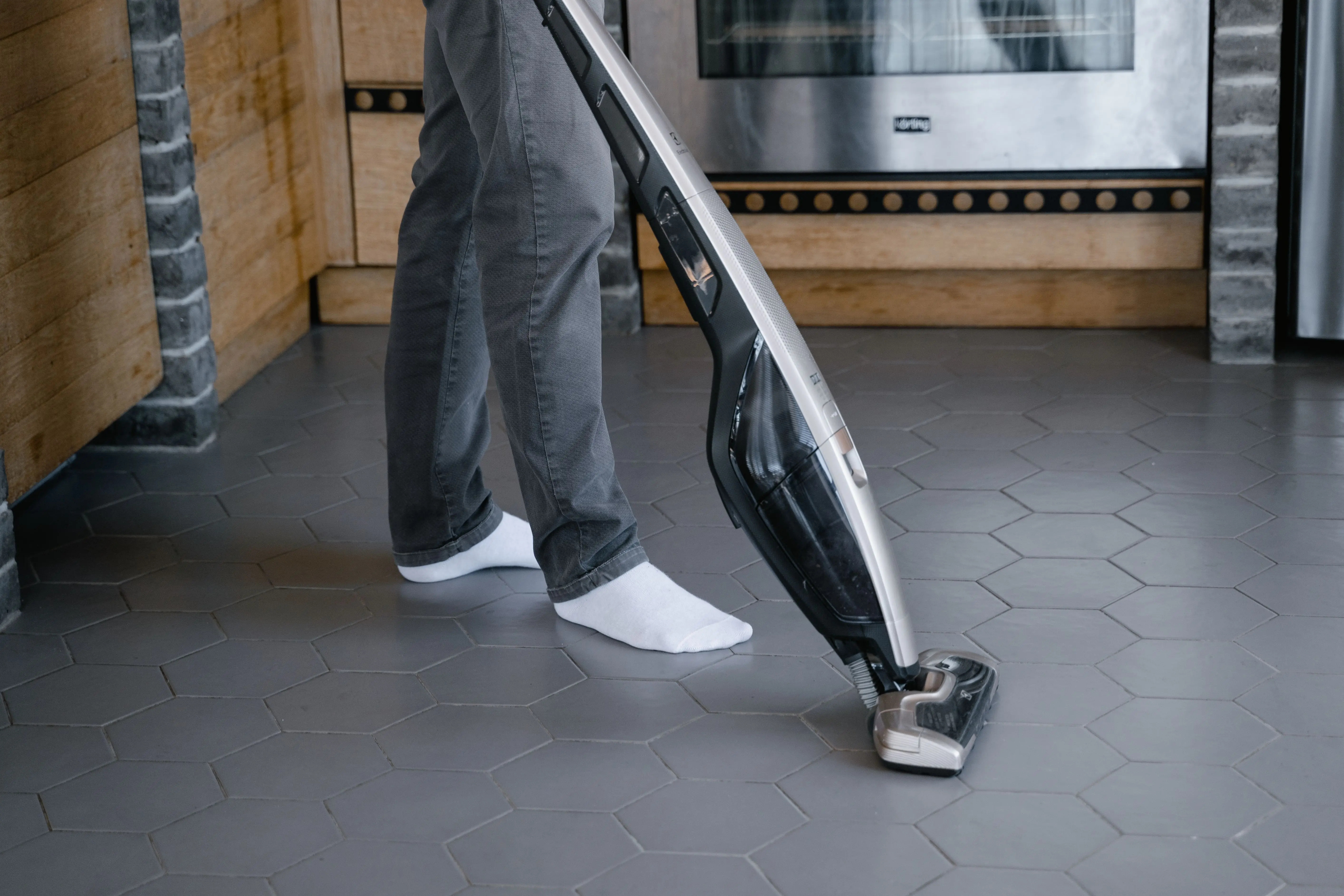
Effective vacuuming of porcelain tile floors goes beyond simply pushing the machine around. Start by sweeping up larger debris with a soft-bristled broom to prevent anything from scratching the tile or clogging your vacuum. When vacuuming, use smooth, overlapping passes to ensure thorough coverage. For areas with textured tile or deep grout lines, you might need to use a crevice tool or a specialized hard floor attachment to dislodge stubborn dirt. Remember to empty the dustbin or change the bag regularly to maintain optimal suction power. Regular maintenance of your vacuum, such as cleaning filters, will also contribute to its efficiency and longevity when cleaning porcelain tile.
The Importance of Porcelain Tile Cleaners Post-Vacuuming
While vacuum hoovers are excellent for removing loose dirt and debris, they are only the first step in achieving truly clean porcelain tile floors. After vacuuming, follow up with an appropriate porcelain tile cleaner. Choose pH-neutral cleaners specifically designed for tile, as harsh chemicals can damage the grout or leave streaks. For tough stains, a gentle scrub with a soft brush can be effective. Always dilute cleaners according to manufacturer instructions and avoid using excessive water, which can seep into grout lines and cause issues. Finish by drying the floor thoroughly to prevent water spots and achieve a sparkling, streak-free finish.
Maintaining Your Vacuum Hoovers for Peak Performance
To ensure your vacuum hoovers continue to perform at their best for your porcelain tile floors, regular maintenance is key. This includes routinely emptying the dustbin or replacing vacuum bags to prevent a loss of suction. Clean or replace filters as recommended by the manufacturer; clogged filters drastically reduce efficiency and can re-release dust into the air. Check the brush roll for tangled hair or debris, especially if your vacuum has one that can be disengaged for hard floors. Keeping your vacuum in top condition not only prolongs its lifespan but also ensures more effective and efficient cleaning results every time you use it.
Common Vacuuming Mistakes to Avoid on Tile
When cleaning porcelain tile floors, several common mistakes can reduce effectiveness or even damage your flooring. Firstly, using a vacuum with an active, aggressive brush roll on delicate tile can cause scratches and dullness. Always ensure the brush roll is off or use a hard floor attachment. Secondly, neglecting to pre-sweep large debris can lead to clogging or surface scratching. Another error is not regularly emptying the dustbin or cleaning filters, which severely impacts suction power. Lastly, don’t rush the process; slow, deliberate passes ensure thorough cleaning, especially on textured or uneven tile surfaces. Avoiding these pitfalls will help you achieve better results.
Frequently Asked Questions About Vacuum Hoovers
Are vacuum hoovers safe for all types of porcelain tile?
Yes, most vacuum hoovers are safe for porcelain tile, especially those with brush roll shut-off features or specific hard floor attachments with soft bristles. Avoid vacuums with aggressive brush rolls on for extended periods.
How often should I vacuum my porcelain tile floors?
For high-traffic areas, vacuuming every 1-2 days is ideal. For less frequented spaces, 2-3 times a week should suffice to prevent dirt buildup and keep your porcelain tile looking its best.
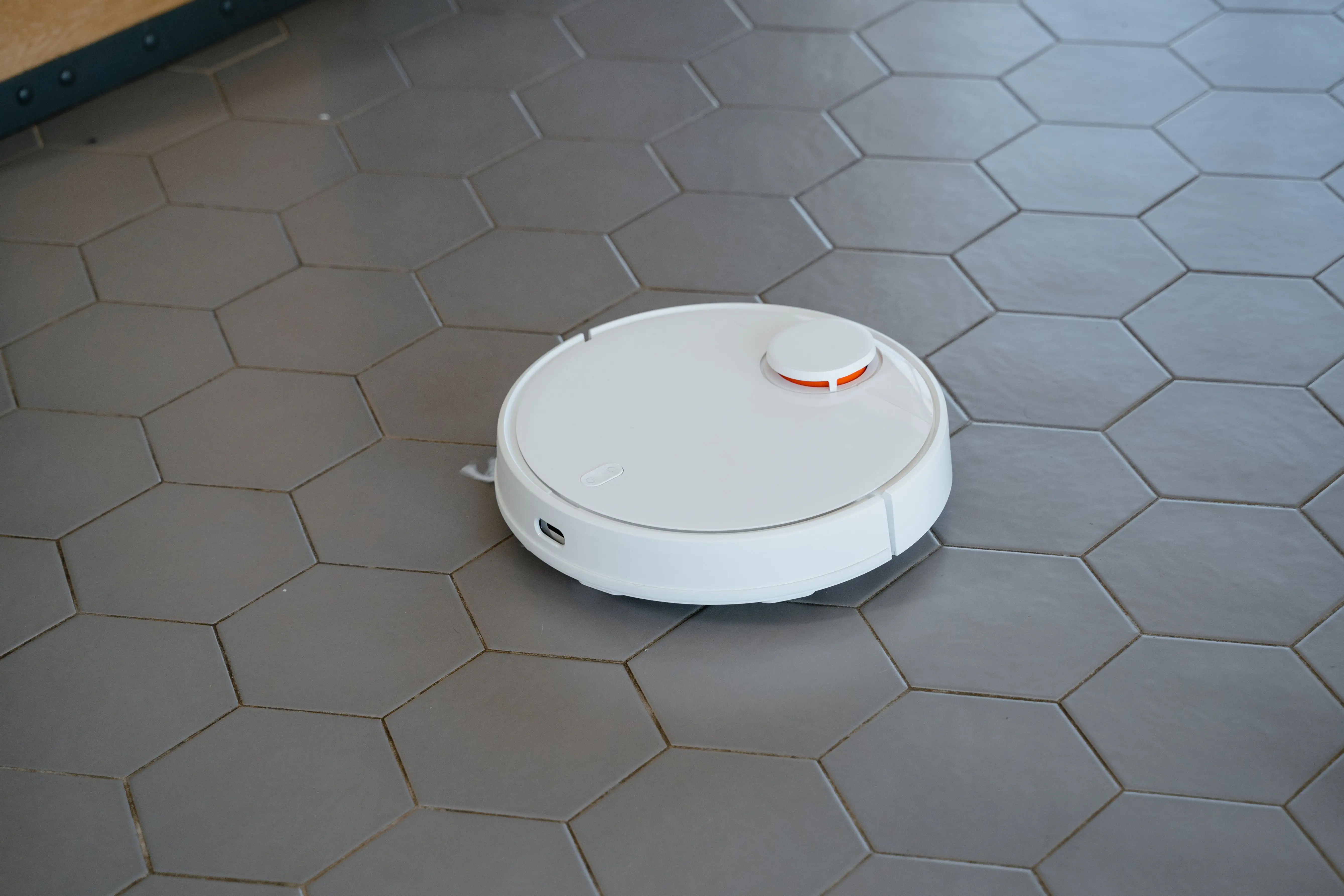
Can I use a robot vacuum on my porcelain tile?
Many robot vacuums are excellent for daily maintenance on porcelain tile, especially those with strong suction and gentle cleaning modes. Check reviews for their effectiveness on hard floors.
What’s the best way to clean grout lines with a vacuum?
Use your vacuum’s crevice tool or a specialized hard floor attachment with a narrow nozzle to target grout lines. For stubborn dirt, pre-treat with a porcelain tile cleaner and gently scrub before vacuuming.
Should I use a wet/dry vacuum on porcelain tile?
Wet/dry vacuums can be useful for deep cleaning or spills, but for regular vacuuming, a standard dry vacuum is more appropriate. Always ensure the floor is completely dry after using a wet/dry vacuum.
Conclusion: The Power of Effective Vacuum Hoovers
Investing in the right vacuum hoovers and understanding proper cleaning techniques can dramatically enhance the cleanliness and appearance of your home, especially when tackling cleaning porcelain tile floors. From selecting models with brush roll shut-off and strong suction to consistently maintaining your equipment, every step plays a vital role. Remember that vacuuming is the foundational step, paving the way for porcelain tile cleaners to truly shine. By implementing these strategies, you’ll not only achieve immaculate floors but also extend the life of your beautiful tile. Discover the profound impact a well-chosen and well-maintained vacuum can have on your daily cleaning routine and overall home environment.