
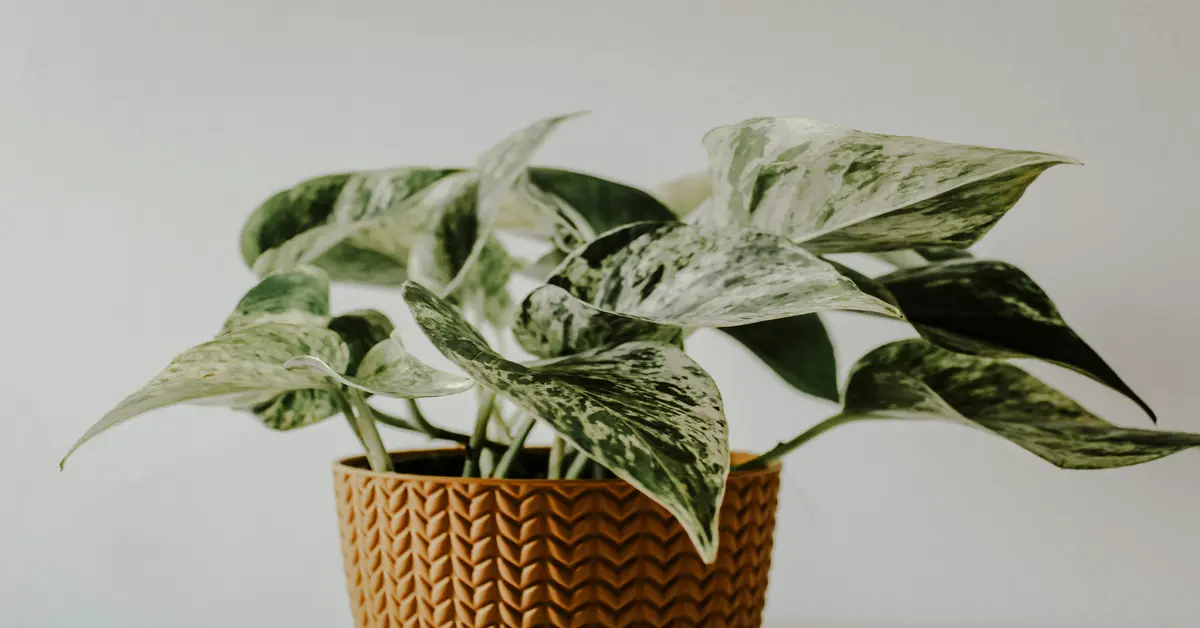
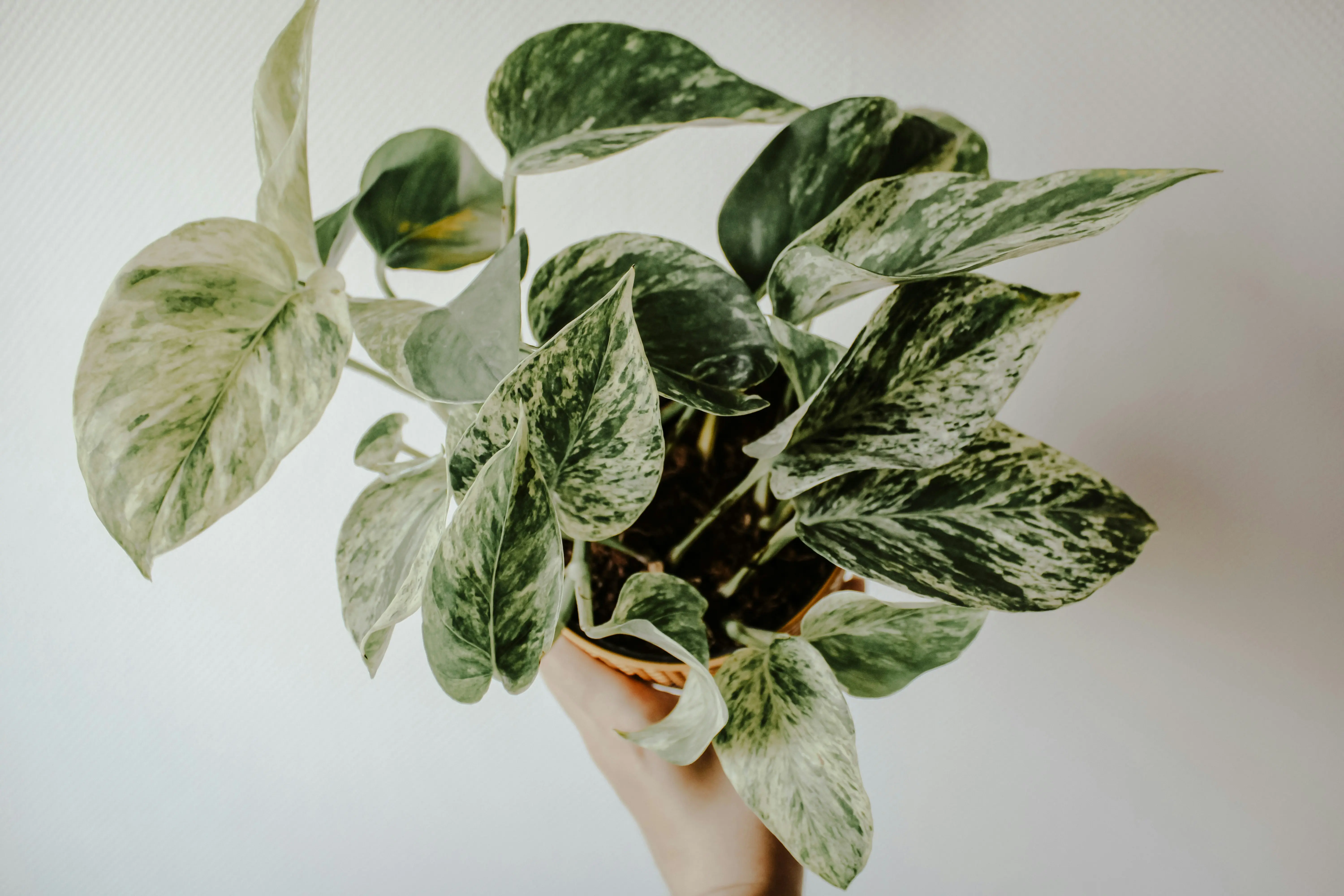
Welcome to the captivating world of variegated plants! If you’re looking to add a splash of color and unique patterns to your indoor jungle or outdoor garden, variegated varieties are an absolute must-have. These stunning specimens feature leaves with multiple colors, often showcasing striking combinations of green, white, cream, pink, or even red. This natural artistry is caused by a genetic mutation that affects the chlorophyll production in certain parts of the plant‘s tissue. Beyond their aesthetic appeal, variegated plants offer a dynamic visual interest that single-colored foliage simply can’t match. They can transform an ordinary plant collection into an extraordinary one, creating focal points and conversation starters in any space. Dive in to discover how these incredible plants can elevate your botanical passion!
Why Embrace Variegated Plants?
The allure of variegated plants lies in their unique and often unpredictable beauty. Each leaf can be a miniature work of art, with patterns ranging from delicate speckles and splashes to dramatic blocks of contrasting colors. This diversity means that no two variegated plants are exactly alike, offering an exciting collecting experience for plant enthusiasts. Beyond their visual charm, many variegated varieties also contribute to a richer and more vibrant plant display, breaking up monotonous green palettes. They are perfect for adding depth and texture to your indoor decor or creating stunning focal points in your garden beds. Their popularity continues to soar, making them a trendy and sought-after choice for both novice and experienced gardeners looking to expand their horticultural horizons.
The Science Behind the Stripes
Variegation isn’t just random; it’s often a result of genetic chimerism, where a plant has cells with different genetic makeups. These different cell lines can produce varying amounts of chlorophyll, leading to the distinct color zones we admire. Environmental factors like light exposure can also influence the intensity and prominence of variegation, making each plant a unique and evolving masterpiece.
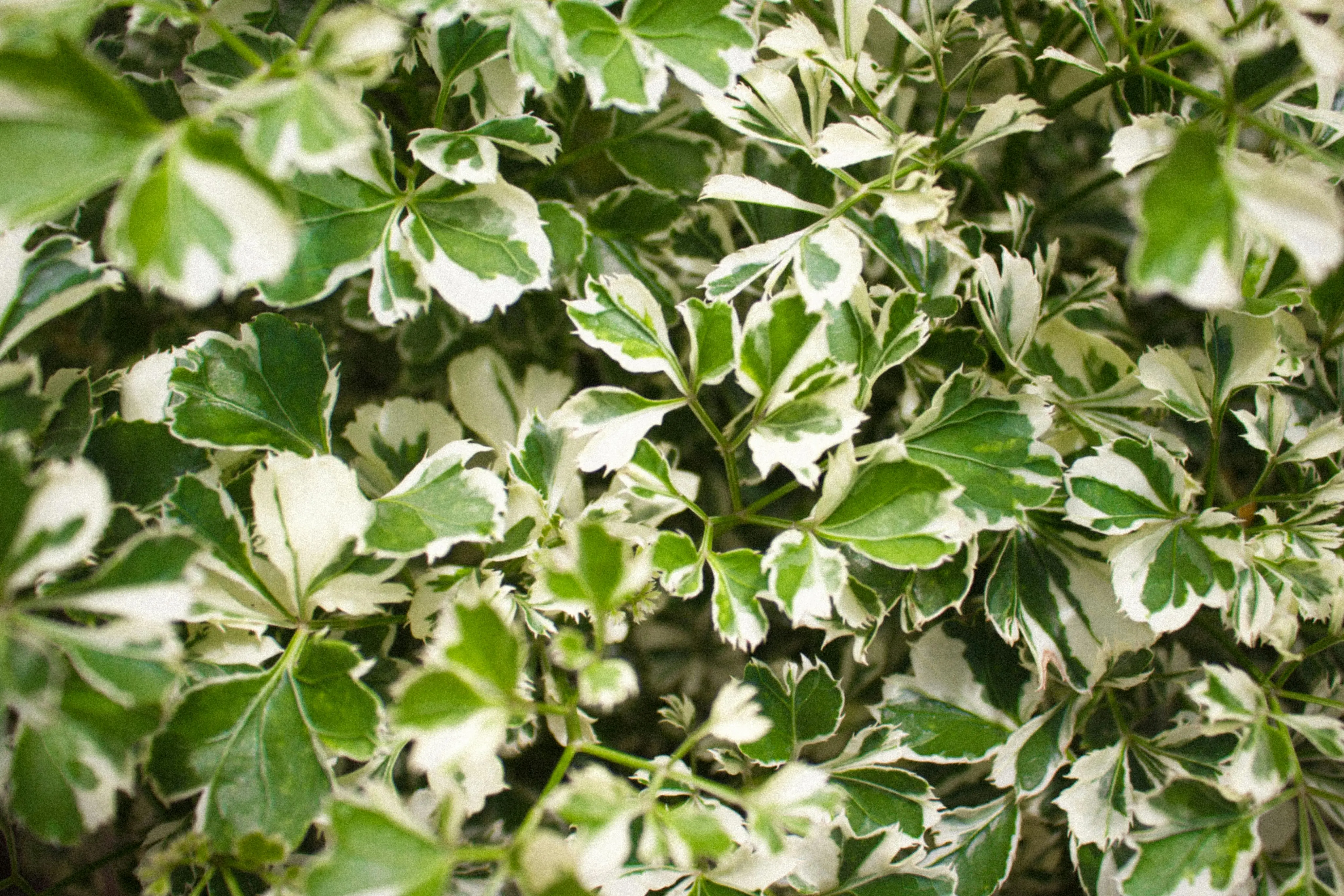
Top 7 Astonishing Variegated Plants for Your Collection
Ready to add some serious color to your life? Here are some incredible variegated plants that are sure to impress. From vibrant foliage to easy-care options, there’s a perfect variegated specimen for every enthusiast. Get ready to transform your space with these botanical wonders!
- Monstera Deliciosa ‘Albo Variegata’: A truly iconic plant with stunning white and green fenestrated leaves. High demand, but worth the search.
- Ficus Elastica ‘Tineke’: Enjoy vibrant pink, cream, and green splashes on broad, glossy leaves. Relatively easy to care for, making it a great choice for beginners.
- Scindapsus Pictus ‘Exotica’: Silver-green leaves with large patches of reflective silver. A beautiful trailing plant that adds elegance.
- Calathea White Fusion: A showstopper with intricate patterns of white, green, and purple on its leaves. Requires higher humidity but rewards with unparalleled beauty.
- Sansevieria Trifasciata ‘Laurentii’: The classic snake plant with striking yellow margins. Extremely low maintenance and adaptable.
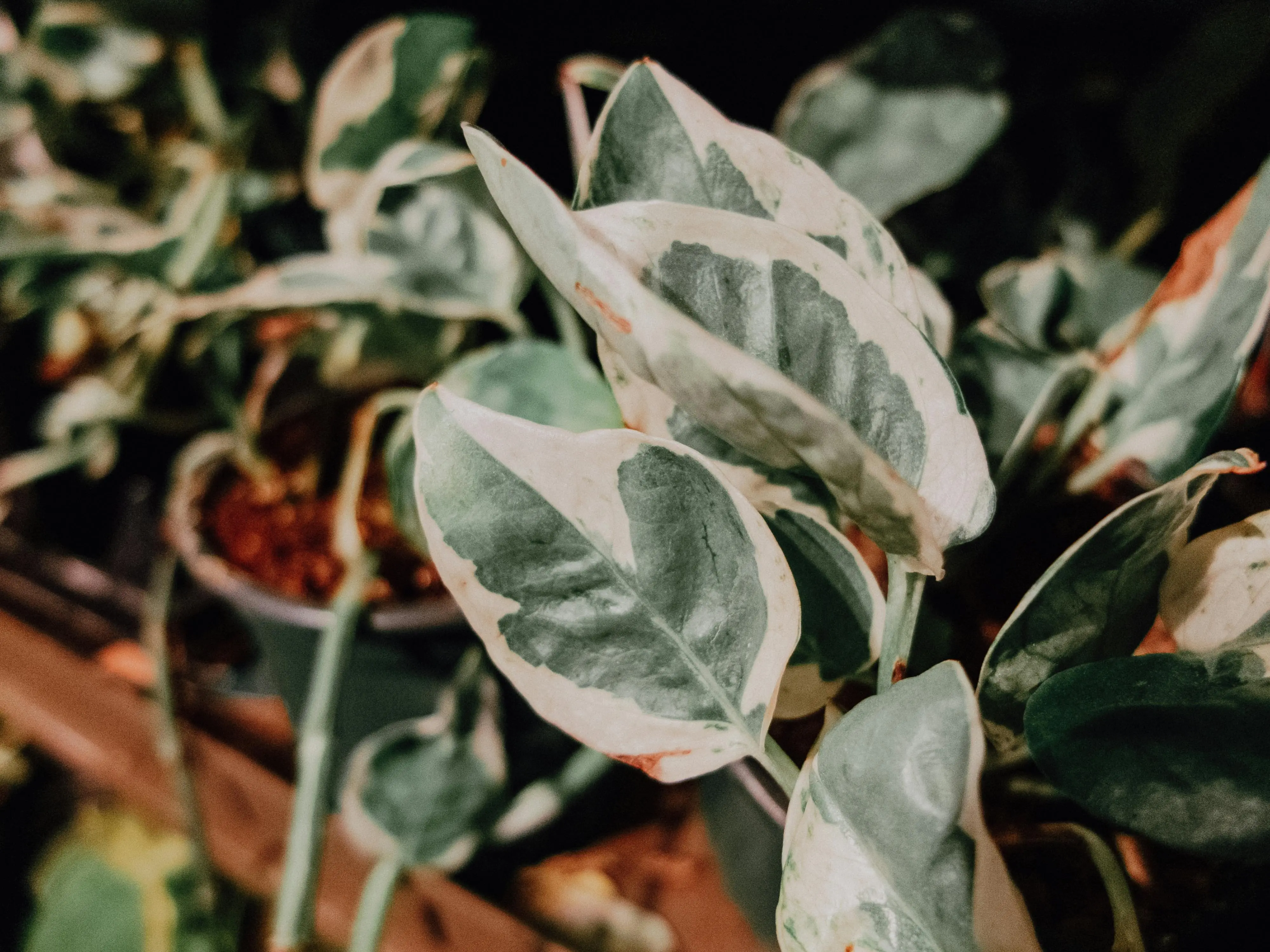
- Epipremnum Aureum ‘Neon’ (Marble Queen Pothos): A classic for a reason, featuring bright green and yellow variegation. Super easy to grow and propagate, making it a
cheap variegated plant option. - Stromanthe Sanguinea ‘Triostar’: Dazzling pink, cream, and green on the top of the leaves, with deep burgundy undersides. A true trichromatic beauty.
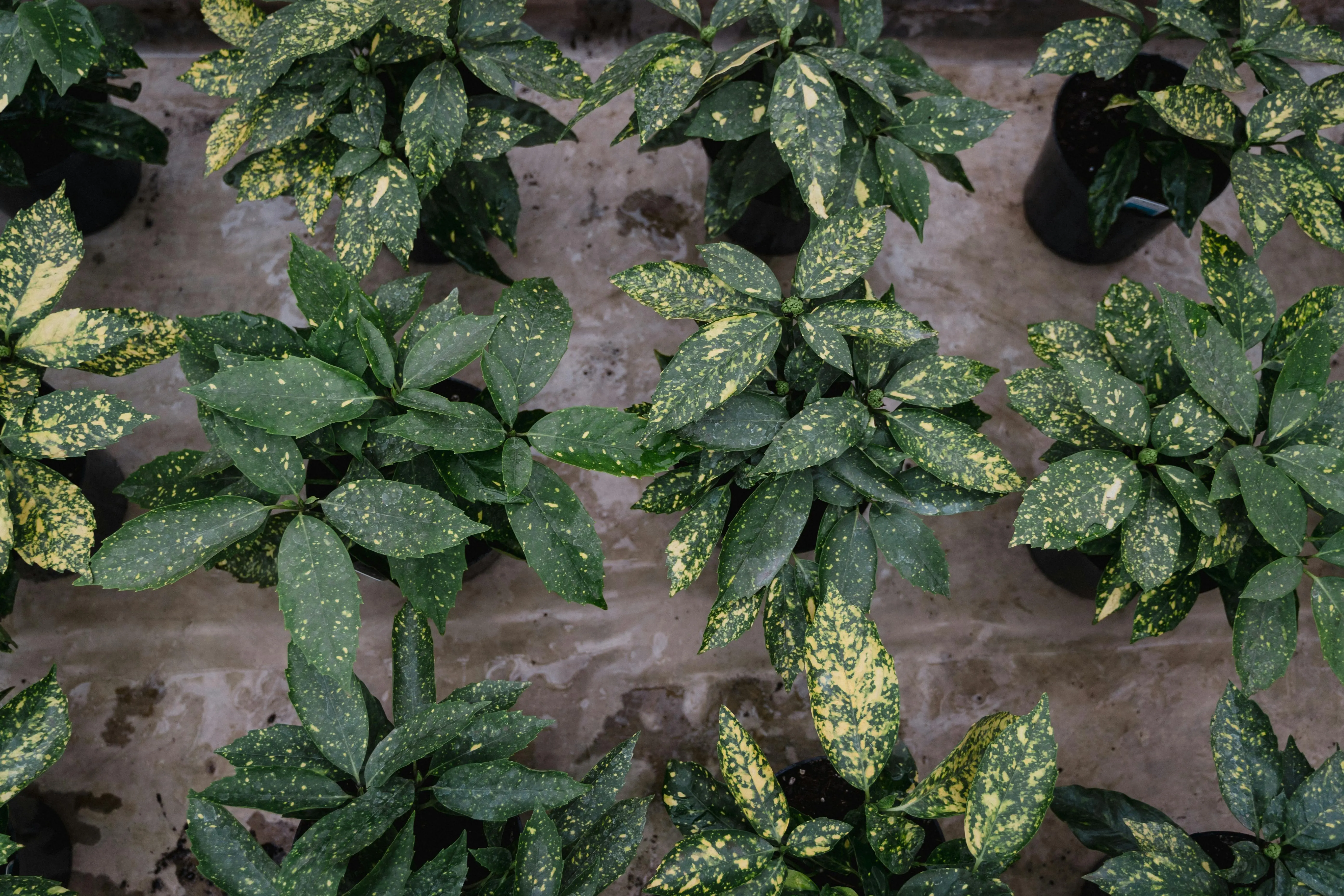
Caring for Your Colorful House Plants
While colorful house plant varieties might seem intimidating, caring for them is often not much different from their non-variegated counterparts. However, there are a few nuances to keep in mind, especially regarding light. Variegated portions of leaves lack chlorophyll, meaning they can’t photosynthesize as efficiently. This makes light a crucial factor for maintaining their vibrant patterns.
Light and Location
Most variegated plants thrive in bright, indirect light. Too much direct sun can scorch the lighter, more sensitive parts of the leaves, while too little light can cause the variegation to fade or even revert to solid green. Experiment with different spots in your home to find the perfect balance. North or east-facing windows are often ideal, or a few feet back from a south or west-facing window.
Watering and Humidity
Consistent watering is key. Allow the top inch or two of soil to dry out before watering again, but avoid letting the plant sit in soggy soil. Many variegated plants, especially those with thinner leaves, appreciate higher humidity. Grouping plants together, using a pebble tray, or investing in a humidifier can help maintain optimal moisture levels. Remember that a balanced approach to watering and humidity will keep your plants healthy and vibrant.
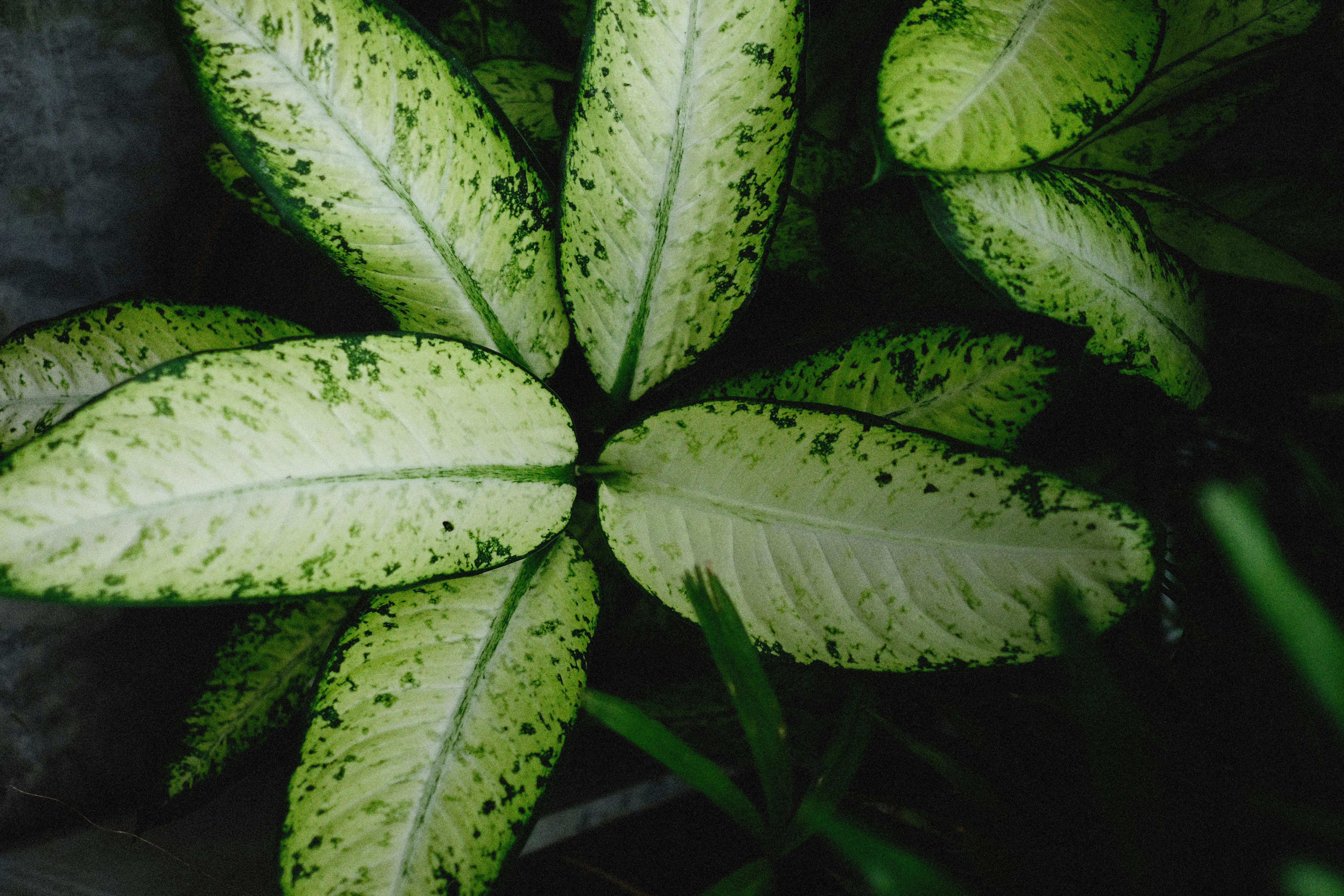
Where to Find Affordable Variegated Plants
Looking for a cheap variegated plant to start or expand your collection? You’re in luck! While some highly sought-after varieties can be pricey, there are many affordable options available. Local nurseries and garden centers often have a good selection of common variegated plants like Pothos ‘Marble Queen’, tradescantia, and certain varieties of Fittonia. Online plant shops can also be a fantastic resource, often offering competitive pricing and a wider range of unique plants.
Tips for Budget-Friendly Variegation
- Start with Cuttings: Many variegated plants are easily propagated from cuttings. Ask friends or join local plant groups to swap cuttings.
- Look for Sales: Keep an eye out for seasonal sales at nurseries or online retailers.
- Consider Common Varieties: Classics like variegated Pothos or some Peperomia varieties are stunning and typically very budget-friendly.
- Check Big Box Stores: Sometimes, you can find hidden gems at surprisingly low prices.
FAQ About Variegated Varieties
What causes variegation in plants?
Variegation is primarily caused by genetic mutations that lead to a lack of chlorophyll in certain parts of the plant’s leaves, resulting in contrasting colors. Environmental factors can also sometimes influence the expression of these patterns.
Are variegated plants harder to care for than solid green ones?
Not necessarily. While some variegated plants might be more sensitive to light or require specific humidity, many are just as easy to care for as their solid green counterparts. Knowing the specific needs of your plant is key.
Why is my variegated plant losing its color?
Fading variegation, or reversion, is often due to insufficient light. The plant might be trying to produce more chlorophyll to compensate for low light levels. Move your plant to a brighter spot with indirect light.
Can I propagate variegated plants from cuttings?
Yes, many variegated plants can be successfully propagated from stem or leaf cuttings. Ensure your cutting includes some variegated tissue to maintain the desired pattern in the new plant.
Are all variegated plants expensive?
No, not all variegated plants are expensive. While some rare varieties can command high prices, many common and beautiful variegated plants, such as certain pothos or tradescantia, are quite affordable and accessible, making them a good cheap variegated plant option.
Conclusion: Dive into the World of Variegated Plants
Embracing variegated plants is an exciting journey into the diverse and colorful world of horticulture. These botanical marvels offer unmatched visual appeal, transforming any space into a vibrant sanctuary. From the striking patterns of a Monstera ‘Albo’ to the subtle elegance of a Fittonia, there’s a variegated variety for every taste and skill level. Remember to provide them with bright, indirect light and consistent care to help them thrive and maintain their stunning coloration. Whether you’re a seasoned plant parent or just starting your green adventure, adding these unique specimens will undoubtedly bring joy and a fresh aesthetic to your collection. Discover the magic of variegated plants and let your inner plant collector flourish!