
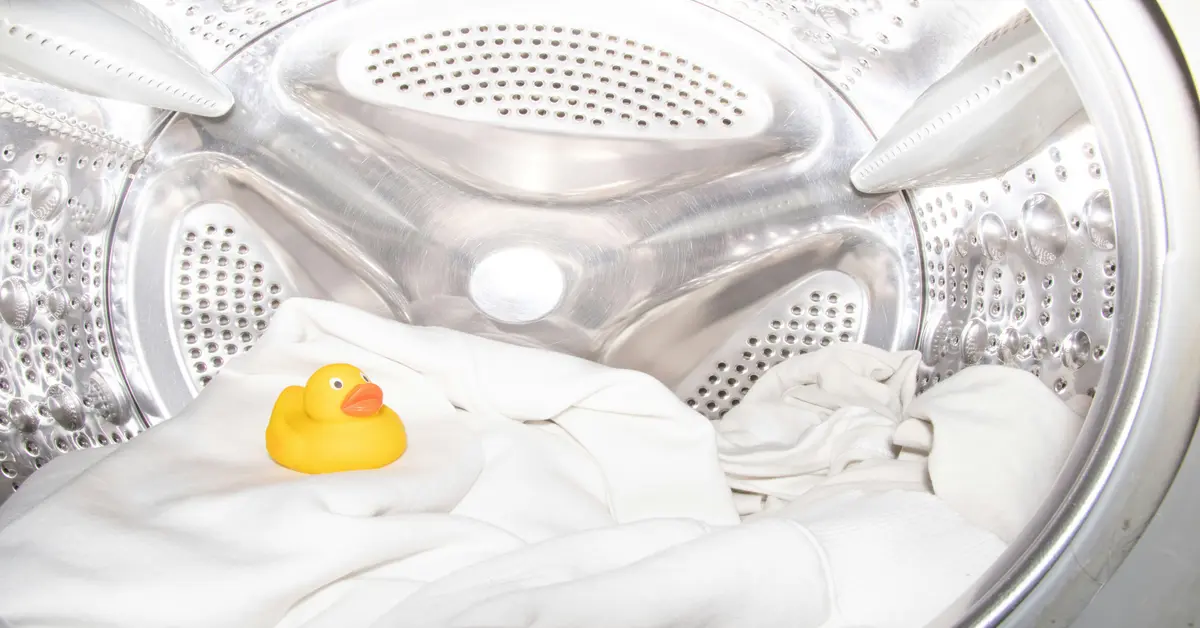

A washer drain clogged can quickly turn laundry day into a nightmare. Instead of fresh, clean clothes, you’re faced with standing water and a potentially overflowing machine. This common household problem can be frustrating, but understanding the usual culprits and how to tackle them can save you a call to the plumber. From accumulated lint to foreign objects, various factors contribute to a washing machine’s inability to drain properly. We’ll explore the main reasons why your washing machine might not be draining and provide actionable steps to get your laundry routine back on track. Don’t let a clogged drain ruin your day; armed with the right knowledge, you can often resolve this issue yourself.
Understanding Why Your Washing Machine Isn’t Draining
When your washing machine isn’t draining, it’s usually due to one of a few common issues. The drain pump is a frequent suspect; if it’s faulty or obstructed, water won’t be expelled. Sometimes, a clogged drain hose is the culprit, packed with lint, fabric softener residue, or even small items that escaped pockets. The house’s main drain line, to which the washer’s drain connects, can also become blocked, affecting not just the washer but other plumbing fixtures. Less common but still possible are issues with the lid switch (some machines won’t drain if the lid isn’t properly closed) or electrical problems preventing the drain cycle from activating. Identifying the source is the first step toward a successful repair.
Common Causes of a Washer Drain Clogged
- Lint and Detergent Buildup: Over time, lint, soap scum, and fabric softener can accumulate in the drain hose and pump, forming stubborn blockages.
- Foreign Objects: Coins, buttons, socks, or even small toys can bypass the filter and jam the drain pump impeller.
- Kinked or Damaged Drain Hose: A simple kink in the flexible drain hose can restrict water flow, or the hose itself might be damaged.
- Sewer Line Issues: If the problem extends beyond the washing machine, a blockage in your home’s main sewer line could be the cause, impacting all drains.
- Faulty Drain Pump: Mechanical failure of the drain pump means it can’t physically move water out of the drum.
Step-by-Step Guide to Fixing a Washer Drain Clogged
Addressing a washer drain clogged requires a systematic approach. Always start by unplugging your washing machine to ensure safety. First, check the drain hose for any visible kinks or blockages. Disconnect it from the standpipe and inspect its interior for lint or debris. Many modern washers have a drain pump filter, usually located at the front bottom of the machine, which can be easily accessed and cleaned. Have towels ready, as some water will likely spill out. If the problem persists, you might need to inspect the drain pump itself for obstructions. This often involves removing the front or back panel of the washer, so consult your owner’s manual for specific instructions. If you suspect a deeper clog in your household’s main drain, it might be time to call a professional plumber.
Preventative Measures for a Healthy Washing Machine
Preventing a washer drain clogged is much easier than fixing one. Regular maintenance is key. Always check pockets before loading clothes to remove coins, keys, or other small items that could end up in the drain pump. Use the correct amount of detergent; too much can lead to excessive suds and residue buildup, contributing to clogs. Consider using a mesh lint trap or filter on your washer’s discharge hose to catch lint before it enters your home’s plumbing. Periodically run an empty hot water cycle with a cup of white vinegar or a washing machine cleaner to flush out any accumulated soap scum and mineral deposits. These simple habits can significantly extend the life of your washing machine and prevent frustrating drainage issues.
When to Call a Professional for a Washer Drain Clogged
While many washer drain clogged issues can be resolved with DIY efforts, there are times when professional help is essential. If you’ve tried all the common troubleshooting steps – checking the drain hose, cleaning the pump filter, and inspecting for foreign objects – and your washing machine still isn’t draining, it’s likely a more complex problem. This could indicate a faulty drain pump that needs replacement, a serious blockage deeper within your home’s plumbing system, or even electrical issues. Plumbers have specialized tools, such as drain snakes and cameras, to diagnose and clear stubborn clogs safely and effectively. Don’t hesitate to call an expert if you’re unsure or uncomfortable performing a repair, especially when dealing with water and electricity.
FAQ: Washer Drain Clogged
What causes a washing machine to not drain?
A washing machine typically doesn’t drain due to blockages in the drain hose or pump from lint and foreign objects, a faulty drain pump, or an obstruction in your home’s main sewer line.
How do I know if my washer drain is clogged?
Signs include water left in the drum after a cycle, the machine making straining noises during the drain cycle, or water backing up into the tub.
Can I fix a washer drain clogged myself?
Many simple clogs, especially those in the drain hose or pump filter, can be fixed by the homeowner after unplugging the machine and following safety guidelines.
How can I prevent my washer drain from clogging?
Preventative measures include checking pockets for items, using less detergent, regularly cleaning the drain pump filter, and occasionally running a cleaning cycle with vinegar.
When should I call a plumber for a washer drain issue?
If you’ve attempted basic troubleshooting and the problem persists, or if you suspect a deeper plumbing issue in your home’s main drain line, it’s best to call a professional.
Conclusion: Conquer Your Washer Drain Clogged
Dealing with a washer drain clogged can be incredibly disruptive, but with the right approach, it’s often a fixable problem. We’ve explored the common reasons why your washing machine might not be draining and provided a roadmap for troubleshooting and resolving these issues. Remember to always prioritize safety by unplugging your appliance before any inspection or repair. By understanding the basics of your washing machine’s drainage system and implementing simple preventative measures, you can significantly reduce the likelihood of future clogs. Don’t let a minor plumbing hiccup sideline your laundry routine. Take action today, apply these tips, and keep your washing machine running smoothly and efficiently for years to come!