
Say Goodbye to detergent: Unconventional laundry Solutions
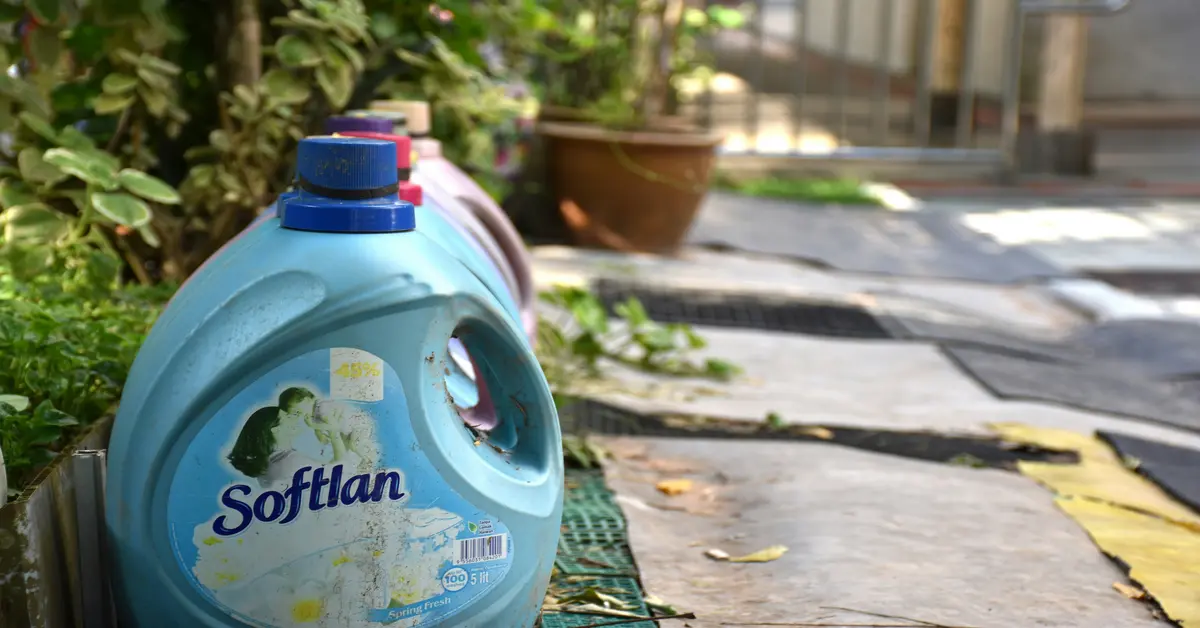
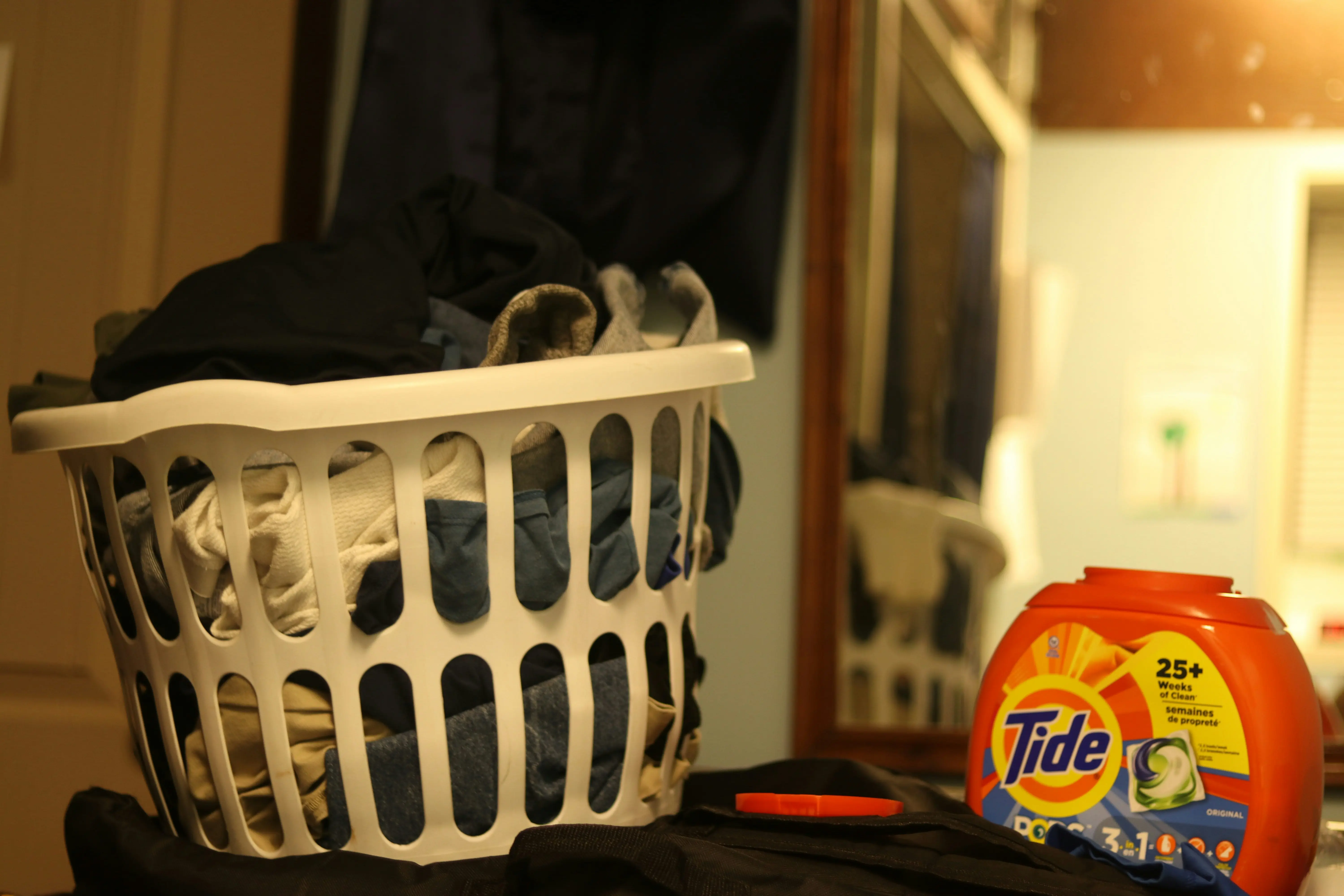
Are you wondering what can I use instead of laundry detergent? In an age where sustainability and eco-friendliness are paramount, many of us are looking for smarter, greener ways to tackle household chores. Traditional laundry detergents, while effective, often contain harsh chemicals, fragrances, and plastic packaging that contribute to environmental pollution. Moreover, they can be a source of skin irritation for those with sensitivities. Ditching conventional detergents doesn’t mean compromising on clean clothes. In fact, numerous readily available and often more affordable alternatives can leave your garments fresh, soft, and sparkling. Let’s explore some brilliant swaps that promise a gentle yet effective wash every time.

Baking Soda: The Ultimate Odor Buster and Softener
Baking soda, a common pantry staple, is a powerhouse when it comes to laundry. This versatile ingredient acts as a natural deodorizer, effectively neutralizing unpleasant smells caused by sweat, mildew, and food stains. Its mild abrasive properties also help lift dirt and grime from fabric fibers. To use it, simply add half a cup of baking soda directly to your washing machine drum along with your clothes before starting the wash cycle. It not only boosts the cleaning power but also acts as a natural fabric softener, leaving your clothes feeling wonderfully fresh and soft without any synthetic chemicals.
white Vinegar: Brightens, Softens, and Disinfects
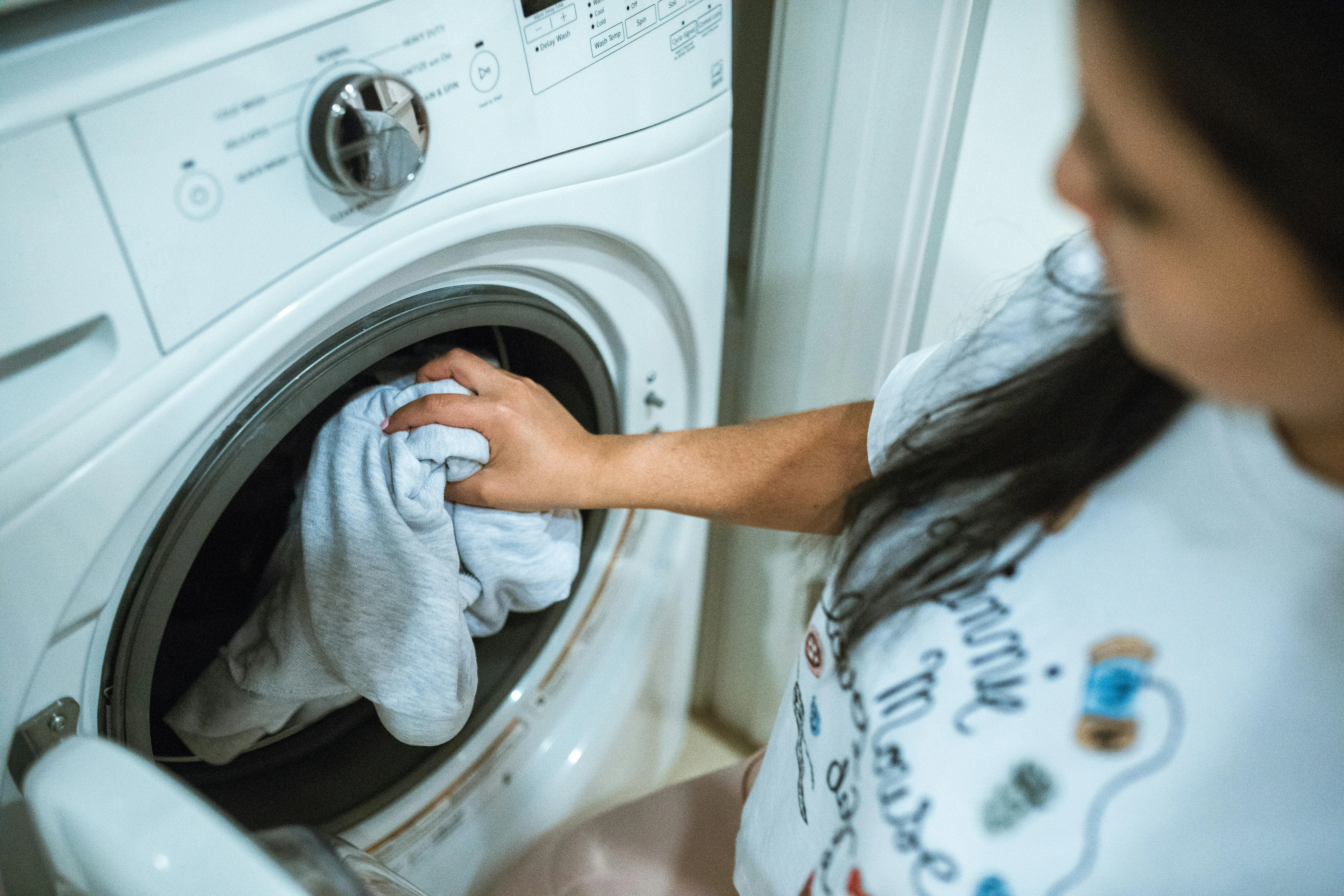
Another kitchen essential, white vinegar, is an incredibly effective laundry hack. This acidic liquid works wonders as a fabric softener, naturally breaking down mineral deposits that can build up on clothes and make them stiff. Add half a cup of distilled white vinegar to your washing machine’s fabric softener dispenser during the rinse cycle. Don’t worry about the vinegar smell – it dissipates completely during the drying process, leaving no lingering odor. Beyond softening, vinegar helps brighten whites, remove soap residue, and even has mild disinfectant properties, making it an excellent choice for sanitizing towels and bedding.

Borax: A Natural Boost for Tough Stains
Borax, a naturally occurring mineral powder, is an excellent addition to your natural laundry routine, especially for tackling stubborn stains and boosting cleaning efficacy. It’s an alkaline substance that helps to soften hard water, allowing your cleaning agents to work more effectively. For a powerful pre-soak, dissolve half a cup of borax in warm water and soak stained items before washing. You can also add half a cup directly to your washing machine drum along with your clothes for an all-around cleaner, brighter wash. Borax is particularly good at removing protein-based stains and helps to whiten whites.
Washing Soda: Heavy-Duty Cleaning Power
Often confused with baking soda, washing soda (sodium carbonate) is a more alkaline compound with stronger cleaning capabilities. It’s particularly effective at cutting through grease, oil, and heavy deposits. Washing soda is excellent for pre-soaking heavily soiled items or adding a quarter-cup to your regular wash cycle for an extra cleaning boost. Be mindful that it’s more potent, so use it sparingly and ensure it’s fully dissolved before adding clothes. It’s an ideal solution for work clothes, grimy rags, or anything that needs a deep clean.

Soap Nuts: A Sustainable and Gentle Option
If you’re truly seeking a sustainable alternative, soap nuts (also known as soapberries) are worth exploring. These dried fruit shells from the Sapindus Mukorossi tree contain saponin, a natural surfactant that creates a gentle lather and cleanses clothes. Simply place 4-5 soap nuts in a small muslin bag and toss it into your washing machine with your laundry. They can be reused for several loads until they stop producing suds. Soap nuts are hypoallergenic, biodegradable, and a fantastic choice for sensitive skin and delicate fabrics.
Frequently Asked Questions About Laundry Alternatives
Can I really clean clothes without traditional detergent?
Yes, absolutely! Many natural ingredients like baking soda, vinegar, and soap nuts offer effective cleaning power without harsh chemicals.
Are these alternatives safe for all washing machines?
Generally, yes. Baking soda, vinegar, and soap nuts are safe for both standard and high-efficiency (HE) machines. Always use recommended quantities.
Will my clothes smell like vinegar if I use it for laundry?
No, the vinegar smell dissipates completely during the wash and dry cycles, leaving your clothes odor-free and fresh.
Do natural laundry alternatives work on tough stains?
While effective for general cleaning, stubborn stains might require pre-treating with a more concentrated solution of borax, washing soda, or a gentle stain remover before washing.
Are these options cheaper than traditional laundry detergent?
Often, yes. Ingredients like baking soda and vinegar are very affordable and can last for many loads, potentially saving you money in the long run.
Embrace a Greener Laundry Routine Today
Discovering what can I use instead of laundry detergent opens up a world of eco-friendly, budget-conscious, and skin-friendly laundry practices. By incorporating natural alternatives like baking soda, white vinegar, borax, washing soda, or soap nuts into your routine, you’re not only getting clean clothes but also reducing your environmental footprint and avoiding potentially irritating chemicals. Experiment with these options to find what works best for your household and fabrics. Make the switch today and experience the fresh, natural difference in your laundry and your home. Your clothes, your skin, and the planet will thank you.