
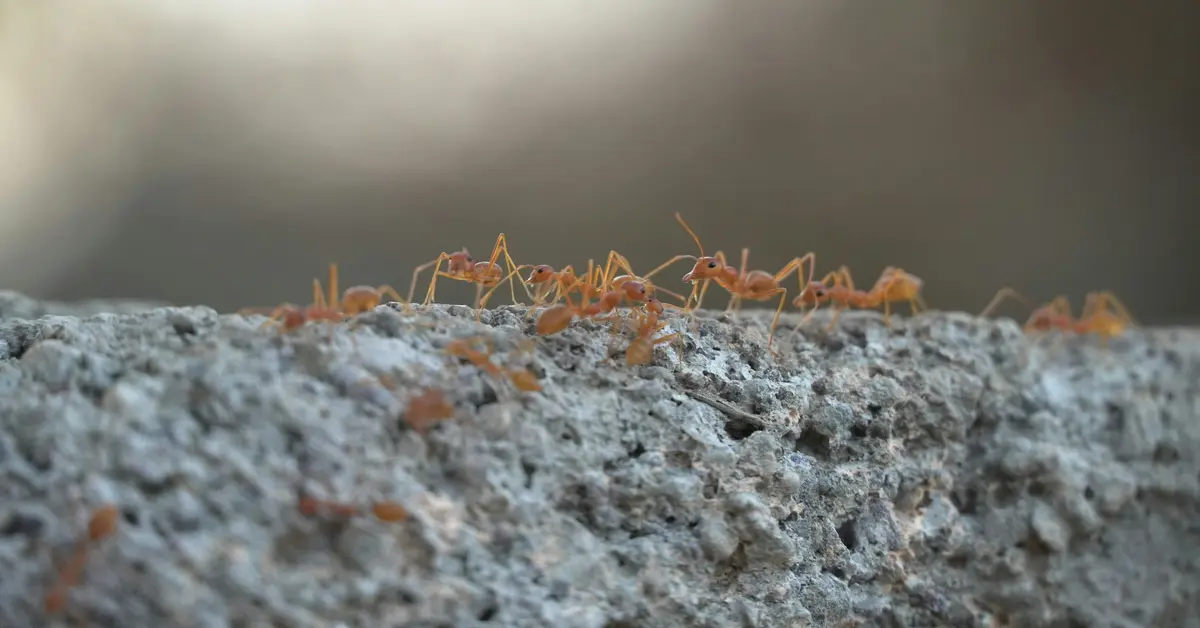
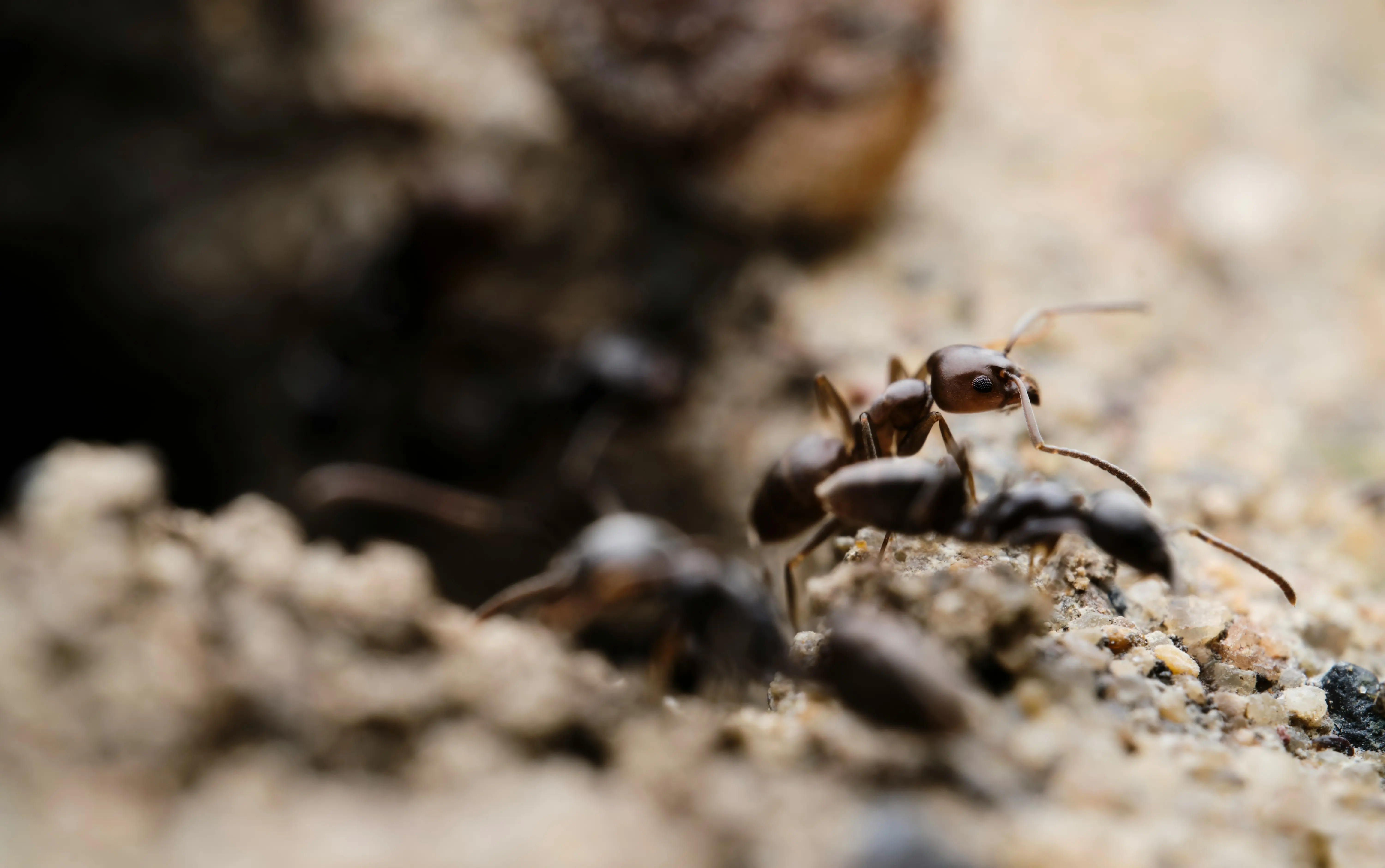
Ants can be a persistent nuisance, invading homes and gardens in search of food and shelter. Their tiny size belies their incredible numbers and their ability to quickly establish colonies, making them a formidable foe for any homeowner. Whether you’re dealing with a few scouts or a full-blown invasion, understanding what keeps ants away is crucial for maintaining a pest-free environment. This comprehensive guide will explore effective strategies, from natural deterrents to preventative measures, ensuring your space remains ant-free. We’ll delve into why ants are attracted to certain areas, the common mistakes people make when trying to repel them, and offer practical, long-lasting solutions. Get ready to reclaim your home from these unwelcome guests!
The quest for knowledge about what keeps ants away often begins with frustration. Many people try various sprays and traps, only to find the ants returning with renewed vigor. The key to successful ant control lies in a multi-faceted approach that addresses both the immediate problem and the underlying causes. This means not only repelling the ants you see but also preventing new colonies from forming and eliminating their food sources. We’ll explore a range of options, suitable for different situations, from pet-safe solutions to more robust long-term strategies. By the end of this article, you’ll be an expert in ant deterrence, equipped with the knowledge to safeguard your home effectively.
Understanding Ant Behavior: Why They Invade and What Keeps Ants Away
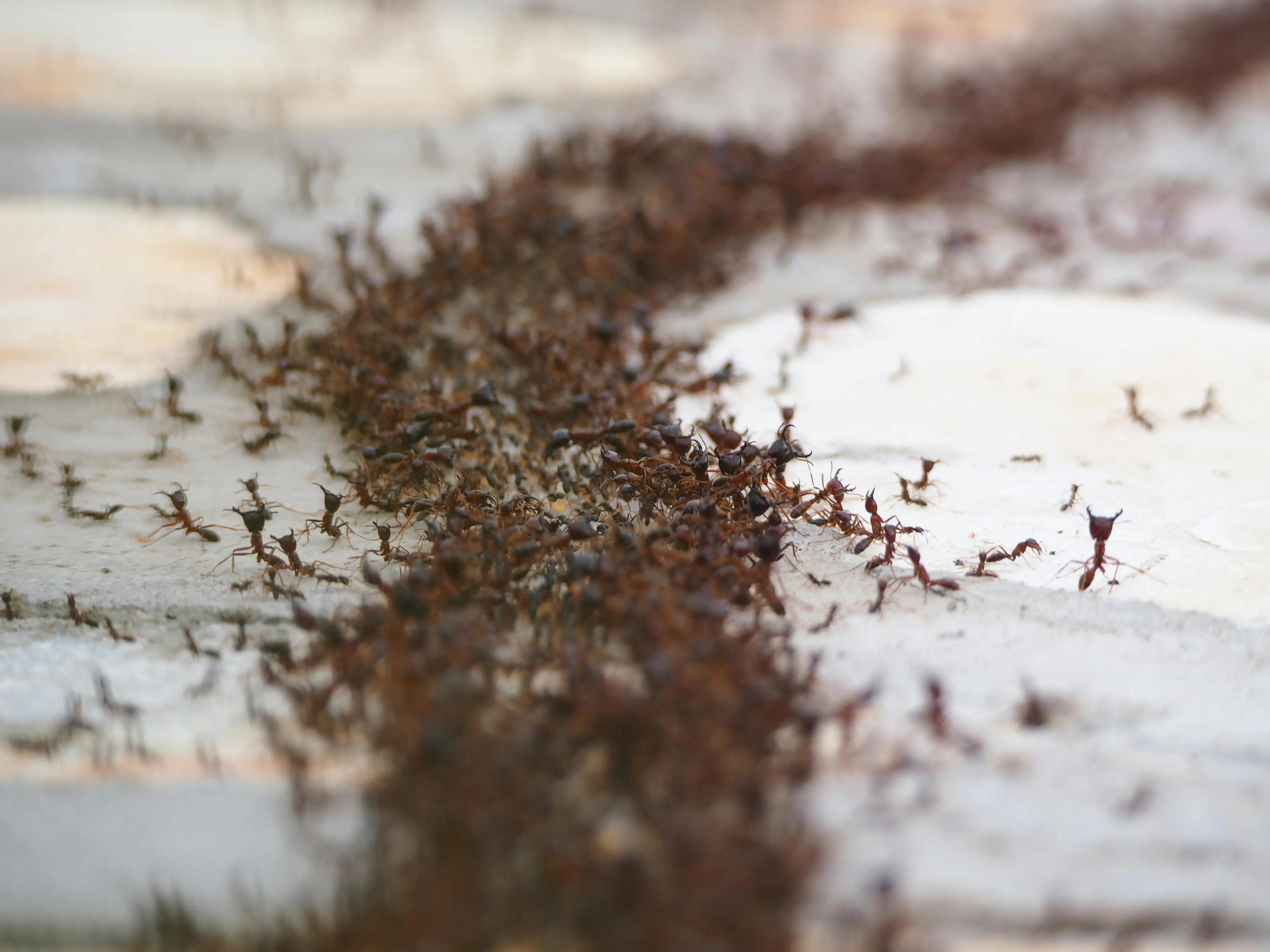
Before we can effectively repel ants, it’s essential to understand their motivations. Ants are primarily driven by three things: food, water, and shelter. They are highly foragers, sending out scouts to locate resources. Once a food or water source is found, the scout leaves a pheromone trail, guiding other ants to the discovery. This is why you often see ants marching in a line; they’re following these chemical signals. Common attractants in homes include crumbs, sugary spills, pet food, and leaky pipes providing moisture. Gardens can offer sweet nectar, fallen fruits, and other insects as food sources. Understanding these attractants is the first step in figuring out what keeps ants away by eliminating these tempting invitations.
Different ant species have varying preferences, but generally, they seek out easy access to sustenance and a safe place to build their nests. Some prefer damp environments, while others thrive in dry, warm areas. Identifying the type of ant can sometimes help in tailoring your repellent strategy, but many of the general deterrents we will discuss are effective across the board. The goal is to disrupt their foraging paths, eliminate their food and water sources, and make your home an undesirable place for them to establish a colony. This proactive approach is far more effective than simply reacting to an existing infestation. Remember, prevention is always better than cure, and knowing their habits is key to successful deterrence.
Natural Deterrents: How to Get Rid of Ants Naturally
Many homeowners prefer to use natural, non-toxic methods for ant control, especially if they have children or pets. Thankfully, nature provides several powerful solutions for what keeps ants away. One popular method involves the use of essential oils. Peppermint oil, for instance, is a strong repellent that ants despise. You can mix 10-20 drops of peppermint essential oil with water in a spray bottle and spray it along entry points, windowsills, and other areas where you’ve seen ants. Lavender oil and tea tree oil are also effective. The strong scents disorient ants and disrupt their pheromone trails, making it difficult for them to navigate and communicate.
Another excellent natural deterrent is vinegar. A 50/50 solution of white vinegar and water can be sprayed directly onto ants to kill them, and it also serves as a potent repellent when used to wipe down surfaces. The vinegar smell dissipates quickly for humans but remains detectable and offensive to ants. Citrus peels, such as lemon or orange, also contain D-limonene, a compound toxic to ants. You can place dried citrus peels near entry points or blend them with water to create a spray. Diatomaceous earth (DE) is another natural option. This fine powder is made from fossilized algae and works by absorbing the oils from ants’ exoskeletons, causing them to dehydrate and die. Sprinkle food-grade DE in cracks, crevices, and along ant trails, but be sure to wear a mask to avoid inhaling the dust.
What Do Ants Hate? Common kitchen and Garden Repellents
Ants have a strong aversion to certain common household items and garden plants. Understanding what do ants hate can help you strategically place these deterrents. For example, coffee grounds are often cited as a natural ant repellent. You can sprinkle used coffee grounds around the perimeter of your home, in garden beds, or near ant hills. The strong scent confuses ants and can even be toxic to them in large quantities. Similarly, cayenne pepper, black pepper, or chili powder can be sprinkled at entry points. Ants will avoid crossing these spicy barriers.
Herbs like mint, catnip, and basil are also excellent natural ant repellents. Planting these around your home or in pots near windows and doors can create a fragrant barrier that ants will steer clear of. Garlic cloves crushed and placed near ant trails can also be effective. For those wondering specifically what keeps ants away from their pantries, bay leaves are a good option. Place a few bay leaves in your dry food containers or on shelves, and ants will generally avoid them. These natural solutions offer a safe and environmentally friendly way to deter ants without relying on harsh chemicals.
Sealing Entry Points: Preventing Ant Invasions
Even the most effective repellents will struggle if ants have an open invitation into your home. A crucial component of what keeps ants away is sealing off all potential entry points. Ants can squeeze through incredibly small cracks and crevices, so a thorough inspection of your home’s exterior is vital. Look for gaps around window frames, door frames, utility pipes, and foundation cracks. Use caulk to seal these openings completely. For larger gaps, weather stripping or steel wool can be effective deterrents, as ants cannot chew through steel wool.
Pay particular attention to areas where pipes or wires enter your home. These are common highways for ants. Ensure that screens on windows and doors are intact and free of tears. Regularly inspect your roof and attic for any openings that could allow ants access from above. Don’t forget about crawl spaces and basements, which often have hidden entry points. By making your home a fortress against these tiny invaders, you significantly reduce their ability to find food and establish nesting sites indoors. This proactive measure is often overlooked but is one of the most fundamental steps in long-term ant control.

Sanitation and Food storage: Cutting Off Their Supply
No discussion about what keeps ants away would be complete without emphasizing the importance of diligent sanitation and proper food storage. Ants are primarily attracted to readily available food sources, so eliminating these is paramount. Wipe down kitchen counters and dining tables regularly, ensuring no crumbs or sticky residues are left behind. Sweep and vacuum floors frequently, especially in areas where food is prepared or consumed. Don’t forget to clean under appliances like toasters, microwaves, and refrigerators, where forgotten crumbs can accumulate.
Store all food in airtight containers. This includes dry goods like cereals, sugar, flour, and pet food. Never leave pet food bowls out overnight, especially if they contain wet food. Rinse food containers before putting them in the recycling bin, as residual food matter can attract ants. Empty trash cans frequently and ensure their lids are tightly sealed. Compost bins, if you have them, should be located far from your home. By being meticulous about cleanliness and food storage, you effectively cut off the ants’ primary motivation for invading your space, making your home far less appealing to them.
Addressing Outdoor Colonies and Landscaping
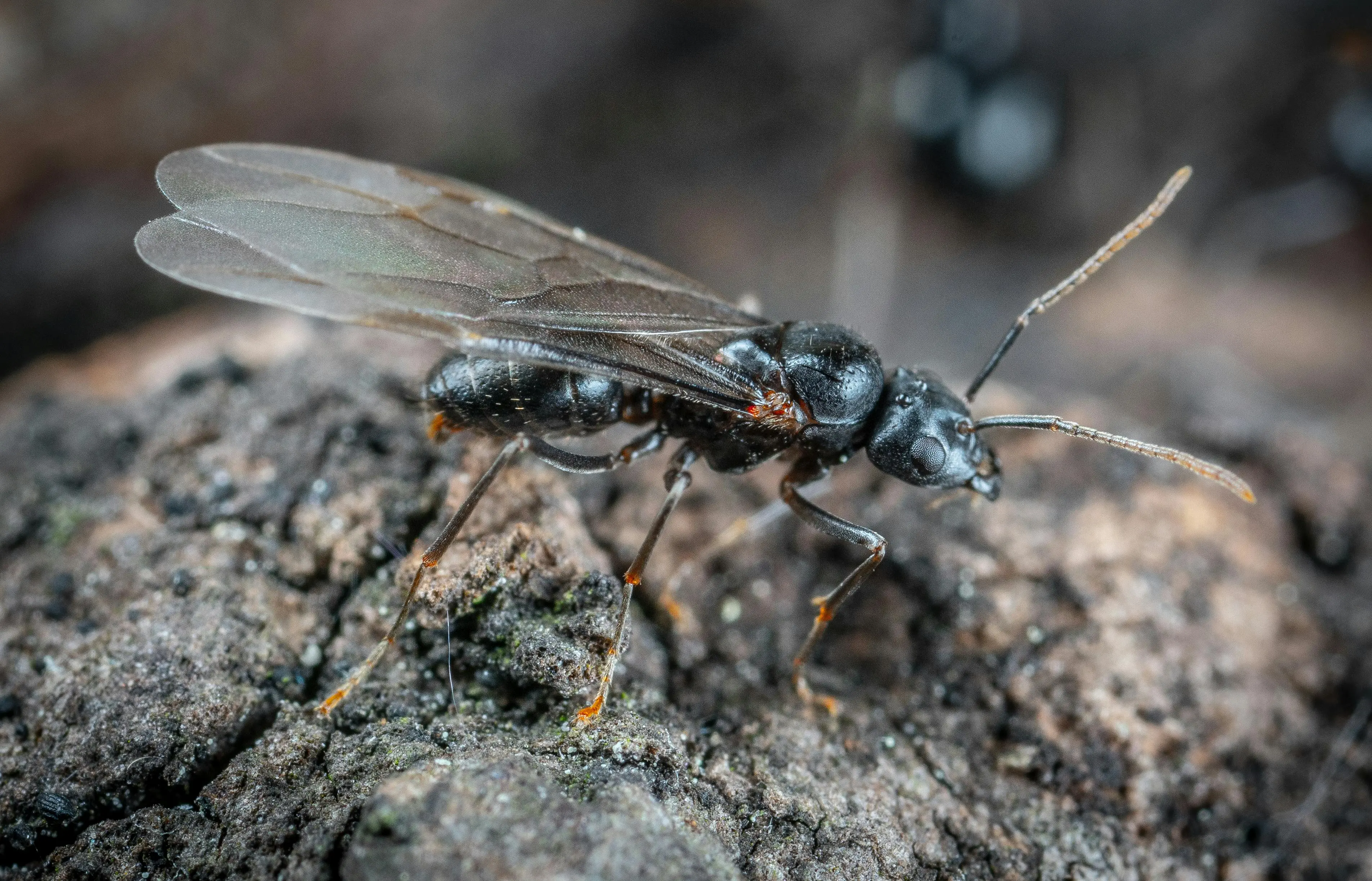
Understanding what keeps ants away extends beyond your home’s interior; it also involves managing your outdoor environment. Many ant problems originate from colonies established in your yard or garden. Inspect your property for signs of ant nests, which can appear as mounds of soil or simply trails leading into the ground, under rocks, or in rotting wood. Once identified, you can apply targeted treatments using natural methods like pouring boiling water directly into the nest (exercise caution) or using natural ant baits that ants carry back to their colony.
Landscaping choices also play a significant role. Trim back tree branches and shrubs that touch your house, as these can serve as bridges for ants to access your home. Keep your lawn mowed and free of excessive leaf litter, which provides ideal nesting sites. Avoid placing woodpiles directly against your house. Identify and eliminate any standing water sources, such as leaky outdoor faucets or clogged gutters, as ants need water for survival. By maintaining a clean and well-kept outdoor space, you create a less hospitable environment for ants, dramatically reducing the chances of them making their way indoors.
Professional Pest Control: When to Seek Expert Help
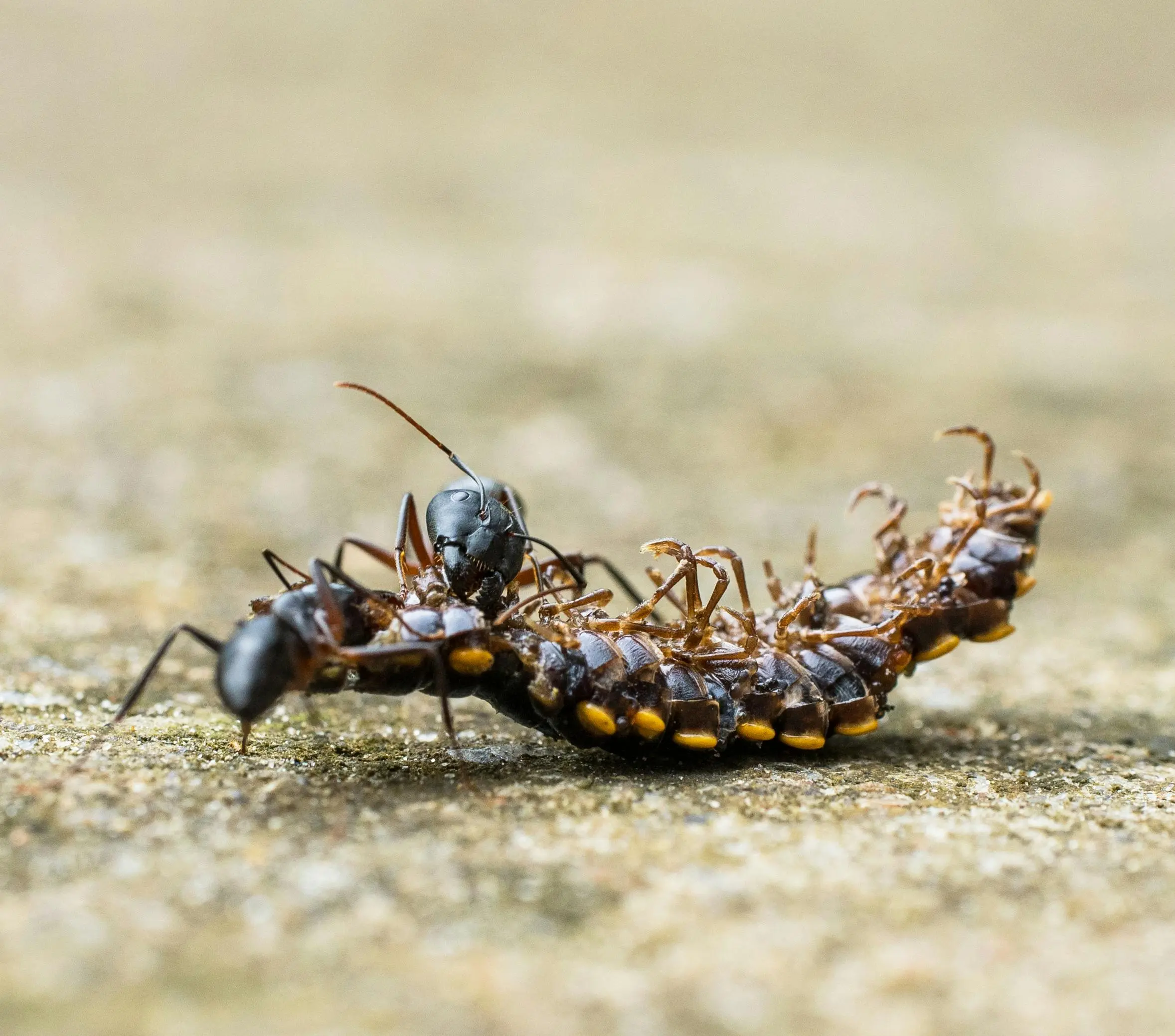
While many of the DIY methods for what keeps ants away are highly effective, there are instances where a professional pest control service might be necessary. If you’re dealing with a large, persistent infestation that doesn’t respond to your efforts, or if you suspect you have a more challenging species like carpenter ants (which can damage wood structures), it’s wise to call in the experts. Professional exterminators have access to more potent treatments and specialized knowledge about ant behavior and biology. They can accurately identify the ant species, locate hidden colonies, and implement a comprehensive treatment plan that targets the entire infestation.
A pest control professional can also offer advice on long-term prevention strategies tailored to your specific property. They might suggest periodic treatments or inspections to ensure the ants don’t return. While an upfront cost is involved, professional services can save you time, frustration, and potential damage to your property in the long run. Don’t hesitate to seek professional help if you find yourself overwhelmed by an ant problem; sometimes, the most effective solution is to enlist the help of those who specialize in pest eradication.
Frequently Asked Questions About Ant Control
What household items can I use to repel ants instantly?
For instant ant repellent, white vinegar spray (50/50 with water) or peppermint essential oil spray are highly effective. You can also sprinkle cayenne pepper or cinnamon near ant trails.
Is boric acid safe to use around pets and children?
Boric acid should be used with extreme caution around pets and children. It can be toxic if ingested. If you choose to use it, ensure it’s placed in areas completely inaccessible to them, or opt for safer natural alternatives.
How long does it take for natural ant repellents to work?
Natural repellents like essential oils or vinegar can offer immediate deterrence by disrupting ant trails. However, for complete eradication, especially of a colony, it may take several days to weeks, requiring consistent application.
Can I really get rid of ants permanently with natural methods?
While natural methods can be very effective at repelling ants and deterring invasions, true permanent eradication often requires a combination of repellents, baiting, sealing entry points, and diligent sanitation. Persistence is key.
What attracts ants to my kitchen even after I clean it?
Even a seemingly clean kitchen can have invisible attractants. Tiny crumbs under appliances, residue in sinks, pet food left out, or even moisture from a leaky faucet can attract ants. Always check for hidden food sources and water.
Keeping ants at bay requires a combination of understanding their habits, implementing effective deterrents, and maintaining a vigilant approach to home cleanliness and maintenance. By following the strategies outlined in this guide, you now have a powerful arsenal of knowledge about what keeps ants away. From natural repellents like peppermint oil and vinegar to crucial preventative measures like sealing entry points and rigorous sanitation, you are well-equipped to protect your home. Remember, consistency is key; regular cleaning, inspection, and application of your chosen deterrents will yield the best long-term results. Don’t let these tiny invaders take over your sanctuary; take action today and enjoy an ant-free home. Discover the peace of mind that comes with effective pest control!