
Are you staring at a blank canvas or an empty sketchbook, wondering what to paint next? Every artist, from beginner to seasoned professional, encounters this creative block. The world is full of inspiration, but sometimes narrowing down the choices can be overwhelming. Don’t worry, you’re not alone! Finding the perfect subject can ignite your passion and lead to your next masterpiece. This comprehensive guide will explore a myriad of inspiring ideas, helping you break free from creative paralysis and discover exactly what to paint to spark your artistic journey. We’ll delve into various categories, offer practical tips, and provide a wealth of suggestions that cater to different skill levels and interests. Get ready to transform your artistic vision into tangible living-room/”>art!
painting is more than just applying color to a surface; it’s an expression of your inner world, a way to communicate feelings, observations, and stories. The act of choosing what to paint is the first crucial step in this exciting process. Whether you’re drawn to vibrant landscapes, intricate portraits, dynamic abstracts, or quiet still lifes, there’s an endless array of subjects waiting for your brush. Let’s embark on this creative exploration together, uncovering fresh perspectives and exciting possibilities. By the end of this article, you’ll have a clear direction and a renewed sense of purpose for your next artistic endeavor. It’s time to banish the blank canvas blues and embrace the joy of creation!
Unleashing Creativity: What to Paint from Everyday Life
Look around you – everyday life is brimming with potential subjects just waiting for your artistic interpretation. Often, the most compelling art comes from observing the familiar with fresh eyes. Consider the mundane objects in your home: a crumpled blanket, a stack of books, a half-eaten apple, or the play of light and shadow on a window sill. These seem simple, yet they offer endless opportunities to explore texture, form, and color. Painting things that are personally significant to you can also add a deeper layer of meaning to your work. A beloved mug, a child’s toy, or an old photograph can evoke powerful emotions and memories, translating into artwork that resonates not only with you but with viewers who connect with the universal themes of home and sentiment.
Beyond your immediate surroundings, step outside and observe your neighborhood. The architecture of local buildings, a bustling street scene, children playing in a park, or even the intricate details of a sidewalk crack can serve as fascinating subjects. The beauty of painting from everyday life is that these subjects are readily accessible, allowing you to practice observation and technique without the need for elaborate setups. Pay attention to how light changes throughout the day, altering the mood and appearance of your chosen subject. Experiment with different angles and compositions to find what truly excites your artistic eye. These “stuff to paint ideas” are often the most rewarding, as they transform the ordinary into the extraordinary through your unique artistic lens.
Exploring Still Life Masterpieces
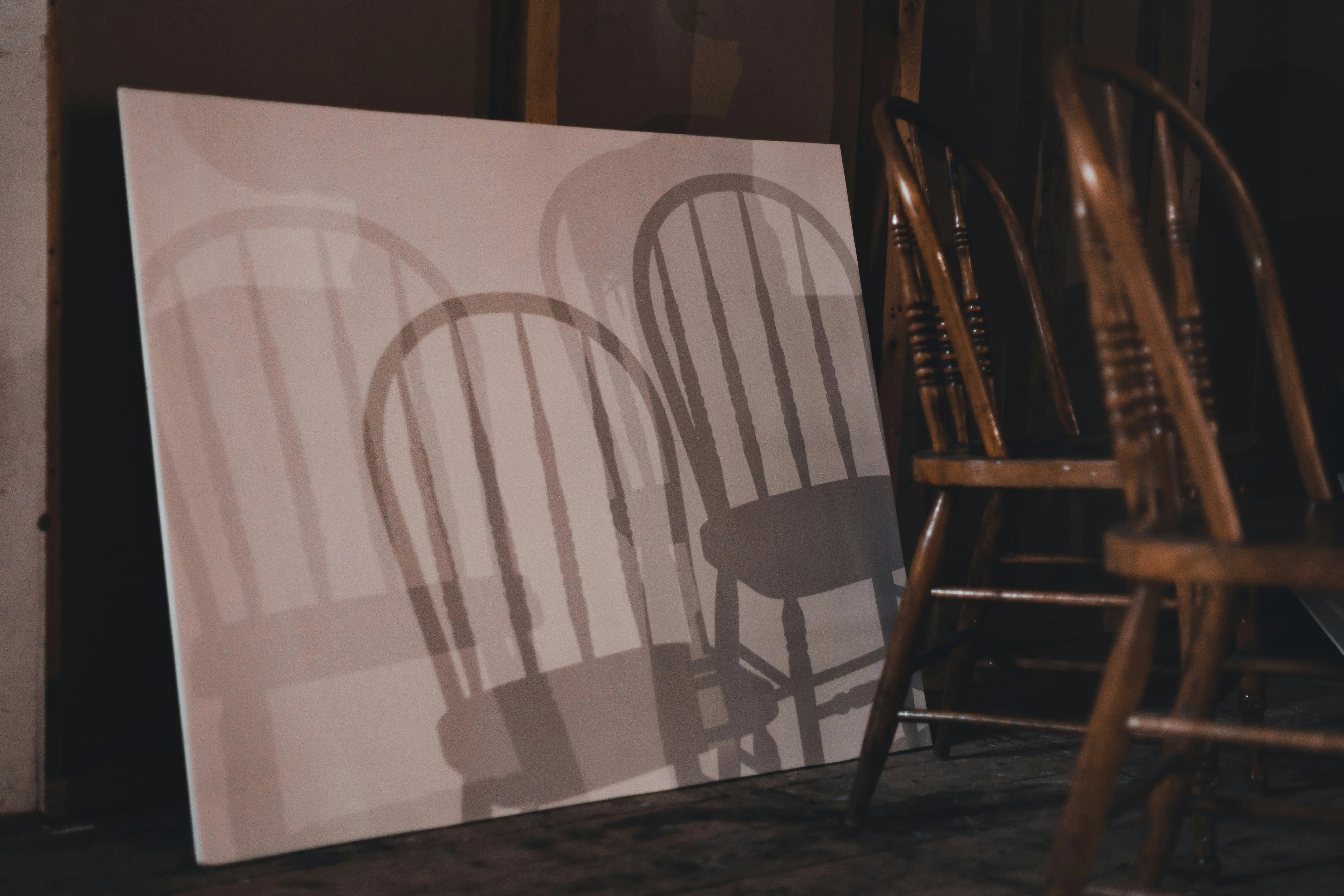
Still life painting, a classic genre, offers an incredible platform for honing your skills. It involves arranging inanimate objects and painting them. The beauty lies in the control you have over the composition, lighting, and symbolism. Choose objects with varying textures, shapes, and colors – perhaps some fruit, a vase of flowers, an antique clock, or different fabrics. Experiment with natural light from a window or artificial light sources to create dramatic shadows and highlights. The challenge and reward of still life painting come from accurately representing these objects while also imbuing them with artistic personality.
Think about the narrative your still life could tell. Are you painting a bounty of harvest goods, a collection of personal mementos, or a minimalist arrangement focused on form? Consider the background and surface on which your objects rest; these elements contribute significantly to the overall feel of the painting. Still life setups can be as simple or as complex as you desire, making them suitable for all skill levels. It’s a fantastic way to practice rendering, understanding light, and developing your unique artistic voice through careful observation and deliberate arrangement.
Embracing Nature’s Canvas: What to Paint Outdoors
Nature is arguably the most abundant and awe-inspiring source of inspiration for artists. From vast mountain ranges to serene forest paths, the natural world offers an infinite array of things to paint. Landscapes provide an excellent opportunity to explore perspective, atmospheric effects, and color mixing. Consider painting a sunrise or sunset, capturing the dramatic shifts in light and color across the sky. The beauty of a tranquil lake reflecting the surrounding trees, the rugged texture of a rocky coastline, or the enchanting mystery of a deep forest can all be powerful subjects for your canvas.
When you venture outdoors to paint, known as plein air painting, you’ll encounter dynamic changes in light and weather, which adds an exciting challenge to the process. This direct observation helps develop your ability to work quickly and capture the essence of a scene. Don’t feel pressured to capture every single detail; instead, focus on the overall mood and atmosphere. Trees, flowers, bodies of water, and cloud formations are all excellent stuff to paint ideas that allow for endless stylistic interpretations, from realistic to impressionistic. Embrace the elements and let nature guide your brush.
Capturing Flora and Fauna
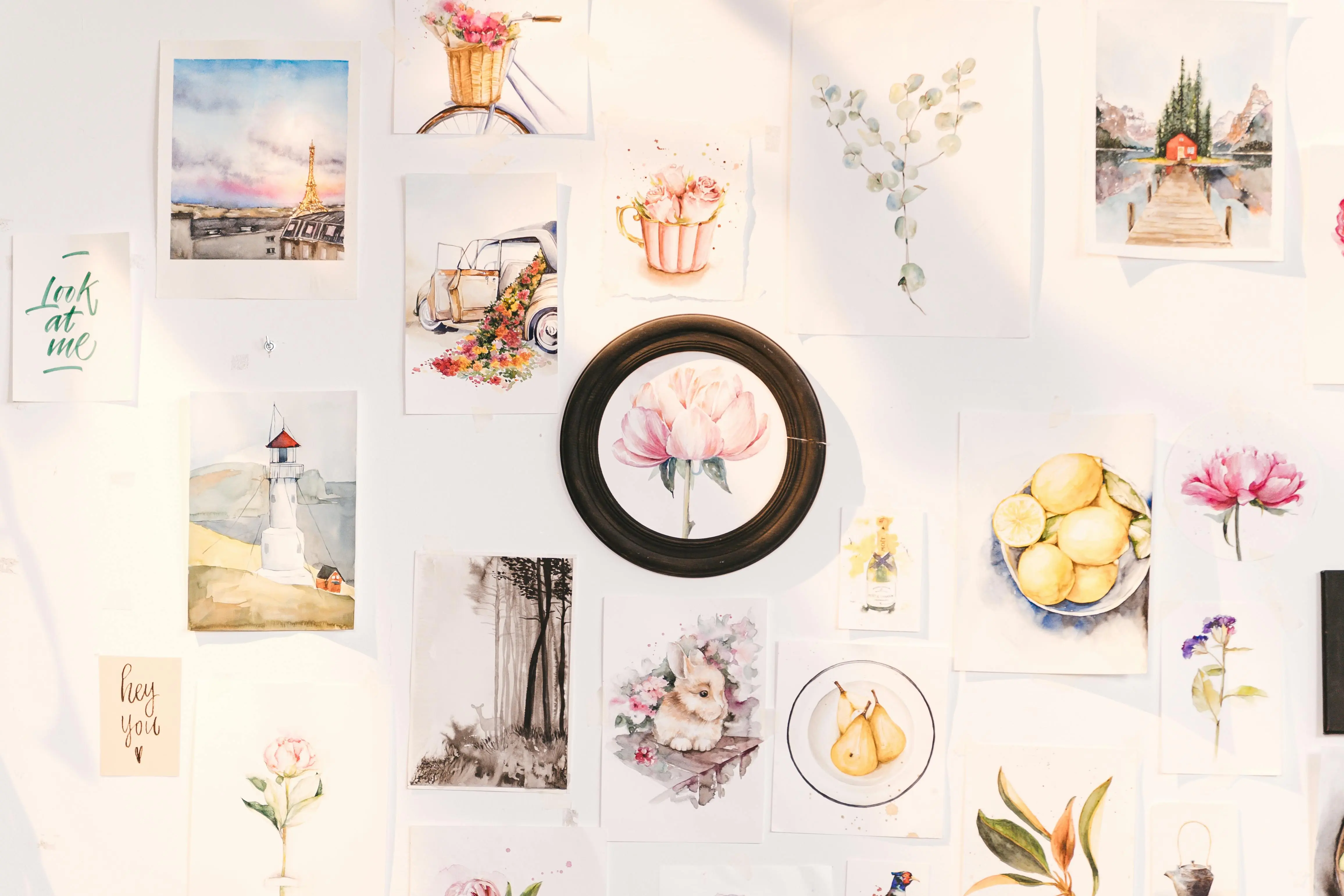
Focusing on specific elements within nature can also be incredibly rewarding. Painting individual flowers, blooming branches, or intricate botanical studies allows for detailed observation and celebrates the delicate beauty of plant life. Explore different types of flowers, from the vibrant hues of a sunflower to the subtle elegance of an orchid. Beyond flowers, consider painting insects, birds, or animals in their natural habitats. This requires patience and often working from reference photos, but the result can be incredibly lifelike and captivating.
Animal portraits, whether of pets or wild creatures, offer a chance to capture personality and emotion. Pay attention to fur texture, eye gleam, and subtle body language. When painting flora and fauna, you’re not just depicting a subject; you’re also capturing a moment in time and highlighting the intricate wonders of the living world. These subjects provide ample opportunities to experiment with color, texture, and detail, pushing your artistic boundaries while connecting you more deeply with the natural environment.
Figurative and Portrait Painting: What to Paint with a Human Touch
The human form has captivated artists for millennia. Figurative and portrait painting is a profoundly rewarding genre that allows you to explore emotion, identity, and the intricate details of human anatomy. Deciding what to paint when it comes to people can range from a detailed traditional portrait to a more abstract interpretation of the human figure. Consider painting a family member, a friend, or even a self-portrait. Working from life, when possible, provides the richest information about light, shadow, and subtle expressions. If live models aren’t available, high-quality photographs can serve as excellent references.
Don’t be intimidated by the complexity of the human face or body. Break it down into simpler shapes and focus on capturing the overall likeness and character before delving into minute details. Experiment with different poses, expressions, and lighting to create varied and compelling pieces. Beyond traditional portraits, you might explore painting figures in action, depicting people engaged in daily activities, or exploring historical or mythological narratives involving human subjects. These options provide endless stuff to paint ideas for those drawn to the human element in art.
Exploring Emotion and Expression
A successful portrait or figurative piece goes beyond mere likeness; it captures the essence and emotion of the subject. Pay attention to the eyes – often considered the windows to the soul – and the subtle nuances of facial expressions that convey mood and personality. Consider the story you want to tell through your painting. Is it a moment of contemplation, joy, sadness, or determination? The way you use color, brushstrokes, and composition can all contribute to the emotional impact of your work.
Figurative art can also be a powerful tool for social commentary or exploring themes of human experience. Don’t shy away from depicting diverse individuals and cultures, or subjects that challenge conventional beauty standards. The beauty of the human form is its incredible diversity and capacity for expression. Embrace the challenge of capturing these complexities, and you’ll find an incredibly rich vein of subjects for what to paint next.
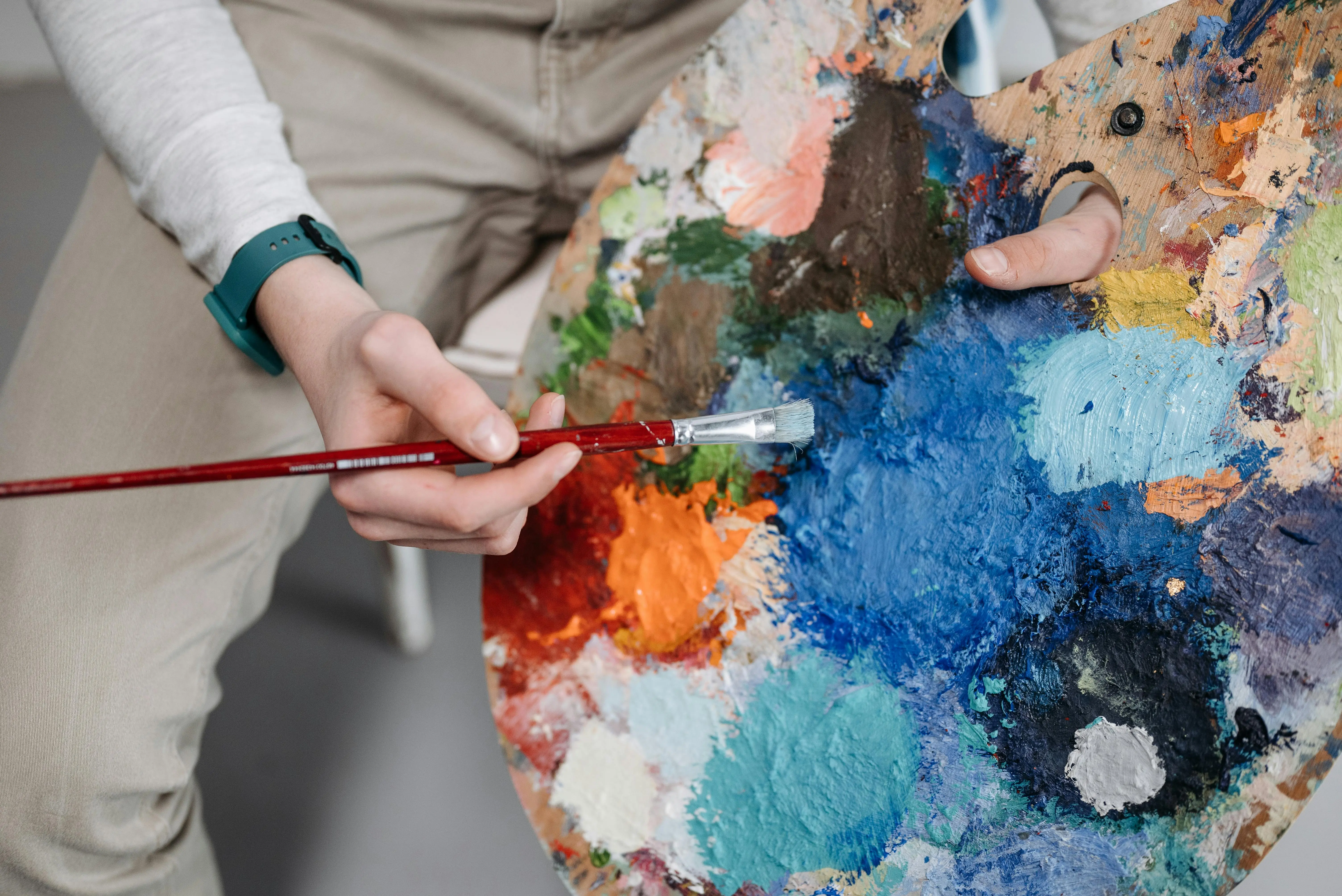
Abstract Art and Imaginative Creations: What to Paint Beyond Reality
Sometimes, the greatest artistic freedom comes from letting go of representational constraints and exploring the realm of abstract art. If you’re feeling limited by painting realistic subjects, perhaps it’s time to ask yourself what to paint that comes purely from your imagination or emotions. Abstract art allows you to play with color, form, line, and texture in a non-objective way. It’s about expressing feelings, ideas, or even musical rhythms visually, without directly depicting recognizable objects.
Start by experimenting with color palettes that evoke certain moods. Explore different brushwork techniques, dripping, pouring, or scraping paint. Think about creating a sense of movement, depth, or tension. Abstract art can be incredibly cathartic and a wonderful way to process emotions or simply enjoy the tactile experience of painting. Don’t feel the need for a specific subject; let your intuition and the interplay of elements guide your creation. These imaginative and non-objective things to paint can unlock new creative pathways and reveal aspects of your artistic voice you never knew existed.
Venturing into Surrealism and Fantasy
If complete abstraction feels too daunting, consider venturing into surrealism or fantasy art. These genres allow you to combine recognizable elements from reality in unexpected and dreamlike ways. Surrealism challenges logic and often features bizarre juxtapositions, playing with the subconscious. Think about combining disparate objects, distorting reality, or creating scenes that feel like they belong in a dream. This can be a fantastic way to tell a story or explore complex ideas without being strictly realistic.
Fantasy art, on the other hand, often involves creating entirely new worlds, creatures, and characters. Dragons, elves, magical landscapes, and epic battles are all common subjects. This genre is perfect for artists who love storytelling and world-building. You can pull inspiration from literature, mythology, or simply your own vivid imagination. Both surrealism and fantasy give you immense creative freedom to design and bring to life unique visual narratives, offering endless possibilities for what to paint when your imagination is your guide.
Practical Tips for Choosing What to Paint
Now that you have a plethora of stuff to paint ideas, how do you actually choose and get started? Here are some practical tips to help you navigate your options and foster a consistent painting practice. First, keep an inspiration journal or a digital folder of images that catch your eye. This could include photographs you’ve taken, magazine clippings, screenshots, or anything that sparks joy or curiosity. When you’re stuck, you can flip through this collection for immediate ideas. Don’t limit yourself to only art; look for inspiration in fashion, architecture, design, and even scientific images.
Second, consider your current skill level and what you want to improve. If you’re struggling with perspective, perhaps focus on landscapes or cityscapes. If you want to refine your color mixing, a still life with varied objects could be ideal. Don’t be afraid to challenge yourself, but also choose subjects that feel achievable, building confidence as you go. Third, establish a dedicated space for your art. Even a small corner can make a difference in encouraging you to pick up your brushes regularly. Finally, and most importantly, don’t overthink it. The best way to figure out what to paint is often to just start painting. Even a failed piece is a learning opportunity and a step forward in your artistic journey.
Frequently Asked Questions About What to Paint
What is the easiest thing to paint for beginners?
For beginners, simple still lifes with 2-3 objects, basic landscapes with clear horizons, or abstract color studies are often the easiest things to paint. Focus on mastering basic shapes, colors, and brush control before tackling more complex subjects. Starting with something simple builds confidence and proficiency.
How can I find inspiration for painting when I am stuck?
When stuck, look around your immediate environment, browse art books or online galleries, go for a walk in nature, or review old photos. Experiment with different mediums or techniques. Sometimes, simply putting paint on the canvas without a specific goal can unlock new ideas. Keep an inspiration journal.
Should I paint from life or from photos?
Both painting from life and from photos have their benefits. Painting from life offers richer color, depth, and the ability to move around your subject. Painting from photos provides convenience, especially for fleeting moments or distant subjects, and allows for more control over lighting. A combination of both is ideal for developing versatile skills.
What materials do I need to start painting?
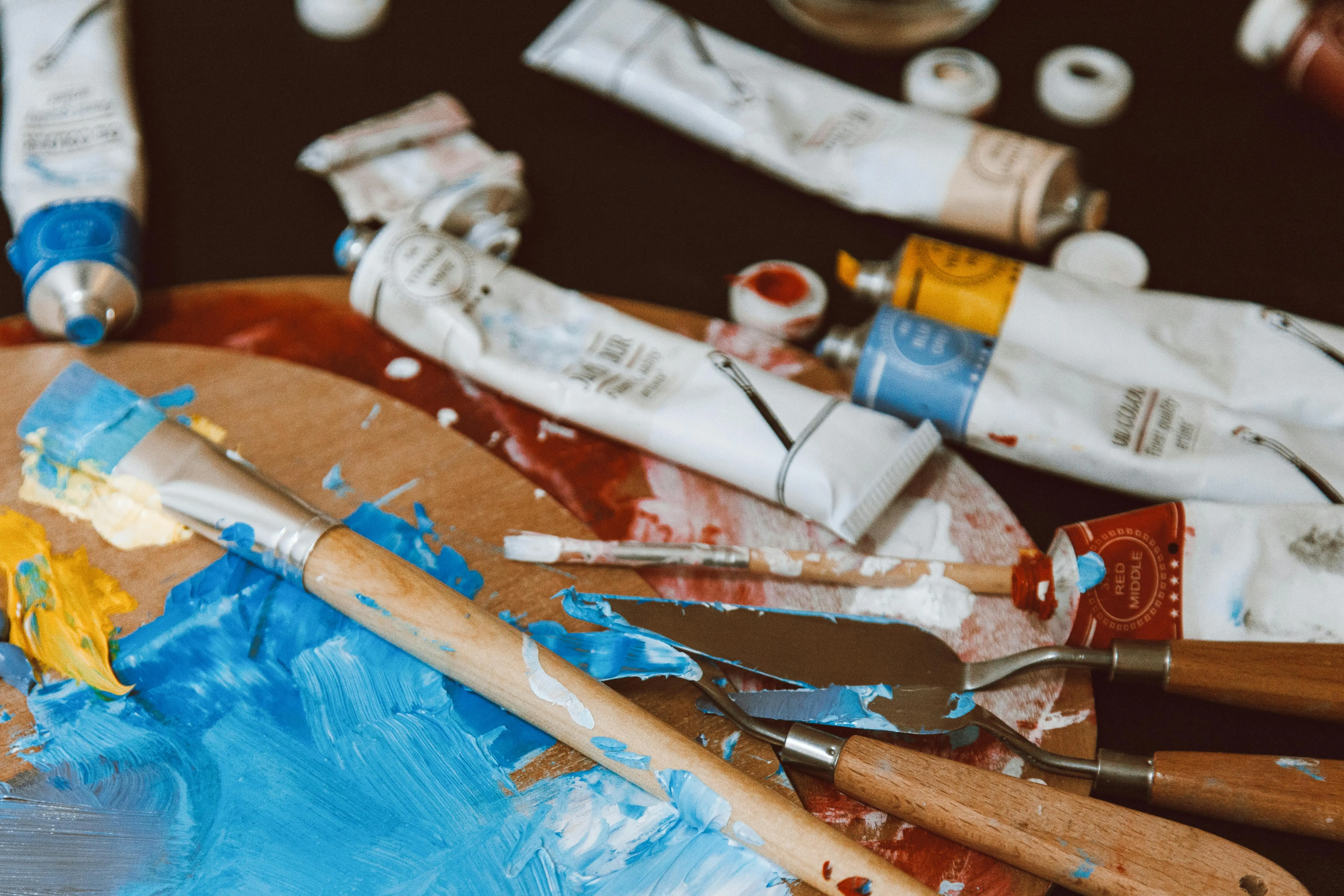
To start painting, you’ll need the basics: paints (acrylics are great for beginners due to quick drying time and easy cleanup), brushes of various sizes, a canvas or paper, a palette for mixing colors, and a water container or solvent cleaner depending on your paint type. Don’t forget an easel for comfortable painting.
How do I improve my painting skills?
To improve your painting skills, practice regularly, study other artists, take classes or workshops, and experiment with different techniques. Focus on fundamental elements like drawing, color theory, composition, and understanding light and shadow. Most importantly, be patient with yourself and embrace the learning process.
Conclusion: Your Canvas Awaits What to Paint Next
The journey of deciding what to paint is an integral part of the artistic process. From the quiet simplicity of everyday objects to the breathtaking grandeur of natural landscapes, the profound depth of human emotion, and the limitless expanse of abstract imagination, the world is your muse. We’ve explored a vast ocean of possibilities, offering a diverse array of stuff to paint ideas to ignite your creative spark. Remember, there’s no single “right” answer; the best subject is ultimately one that resonates with you, challenges your skills, and brings you joy in the creation process.
Don’t let the fear of a blank canvas hold you back. Pick up your brush, choose an idea that excites you, and simply begin. Every stroke is a step forward, every painting a valuable lesson. Whether you’re a seasoned artist seeking fresh perspectives or a budding creative taking your first steps, there’s always something new and exciting to explore. So, take these insights, look inward and outward for inspiration, and let your unique artistic voice shine. Your next masterpiece is waiting; embrace the adventure and discover what to paint with renewed passion and purpose. Your canvas is calling!