
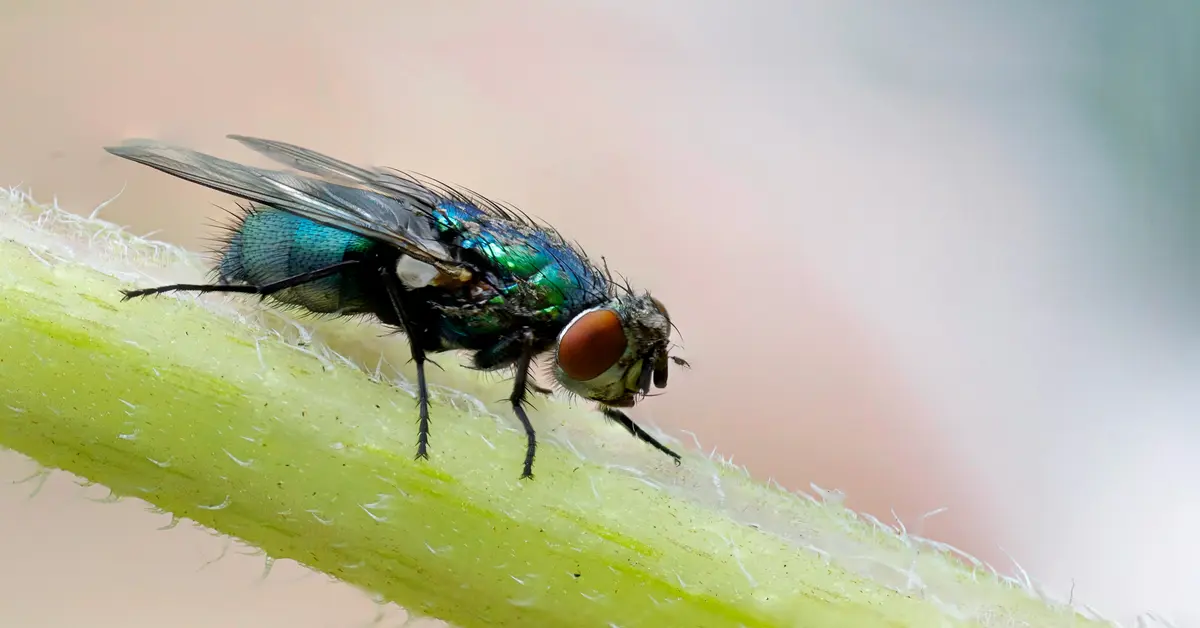
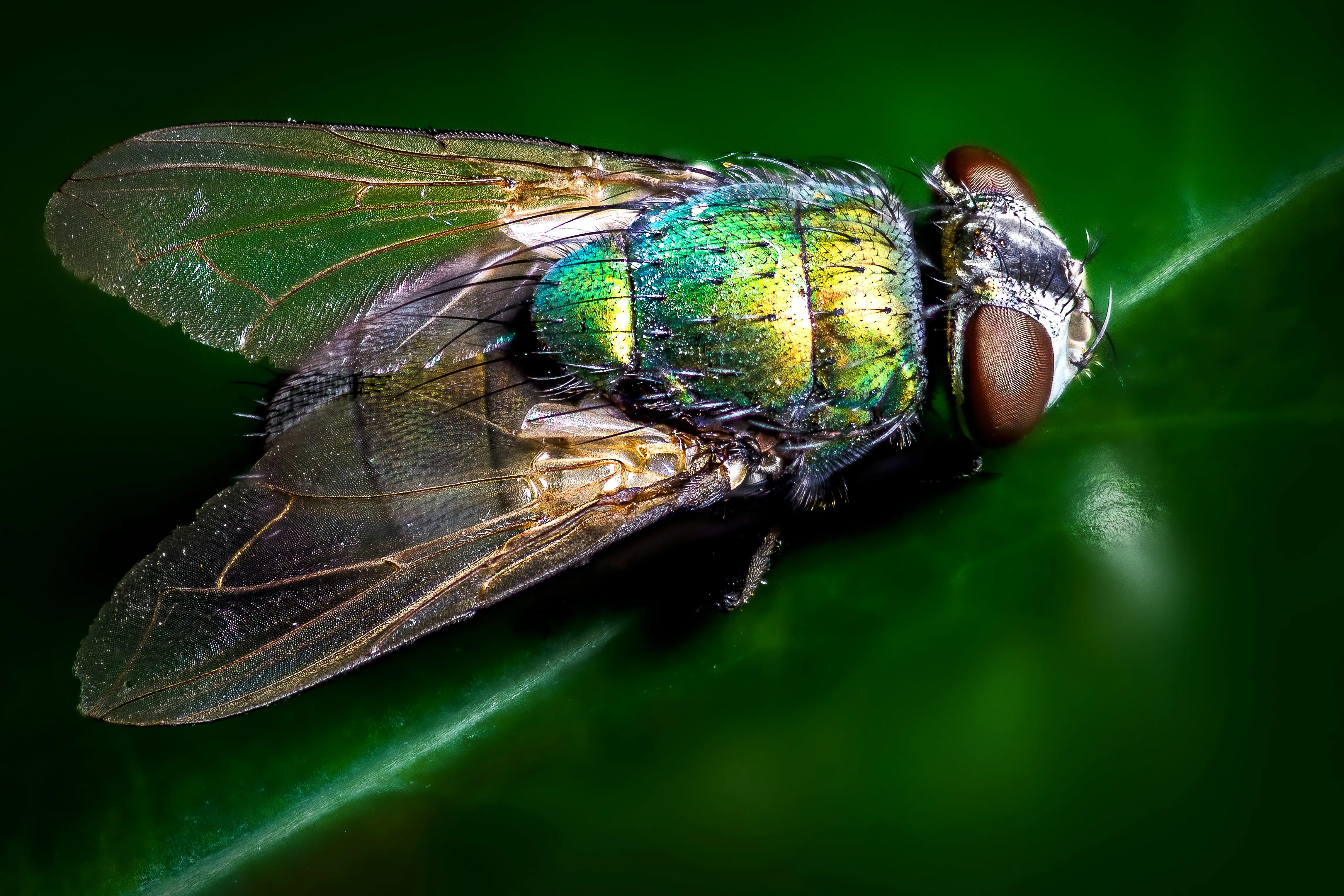
flies are a nuisance, buzzing around our homes, kitchens, and outdoor spaces. Beyond their irritating presence, they can also spread germs and contaminate food. If you’ve ever wondered what smells do flies hate, you’re in the right place! Leveraging their natural aversion to certain scents is one of the most effective and eco-friendly ways to keep these pests at bay. Forget harsh chemicals; nature offers a bounty of aromatic solutions to reclaim your space from these winged invaders. Understanding these scents can empower you to create a fly-free environment both indoors and out, making your home a more pleasant and hygienic place for everyone.
From common kitchen herbs to essential oils, many pleasant aromas to humans are absolutely dreadful to flies. This guide will delve into the specific scents that send flies packing, providing you with actionable tips and methods to deploy these natural repellents effectively. Say goodbye to fly swatters and sticky traps, and hello to a fresh-smelling, fly-free home!
The Power of Essential Oils: What Smells Do Flies Hate Most?
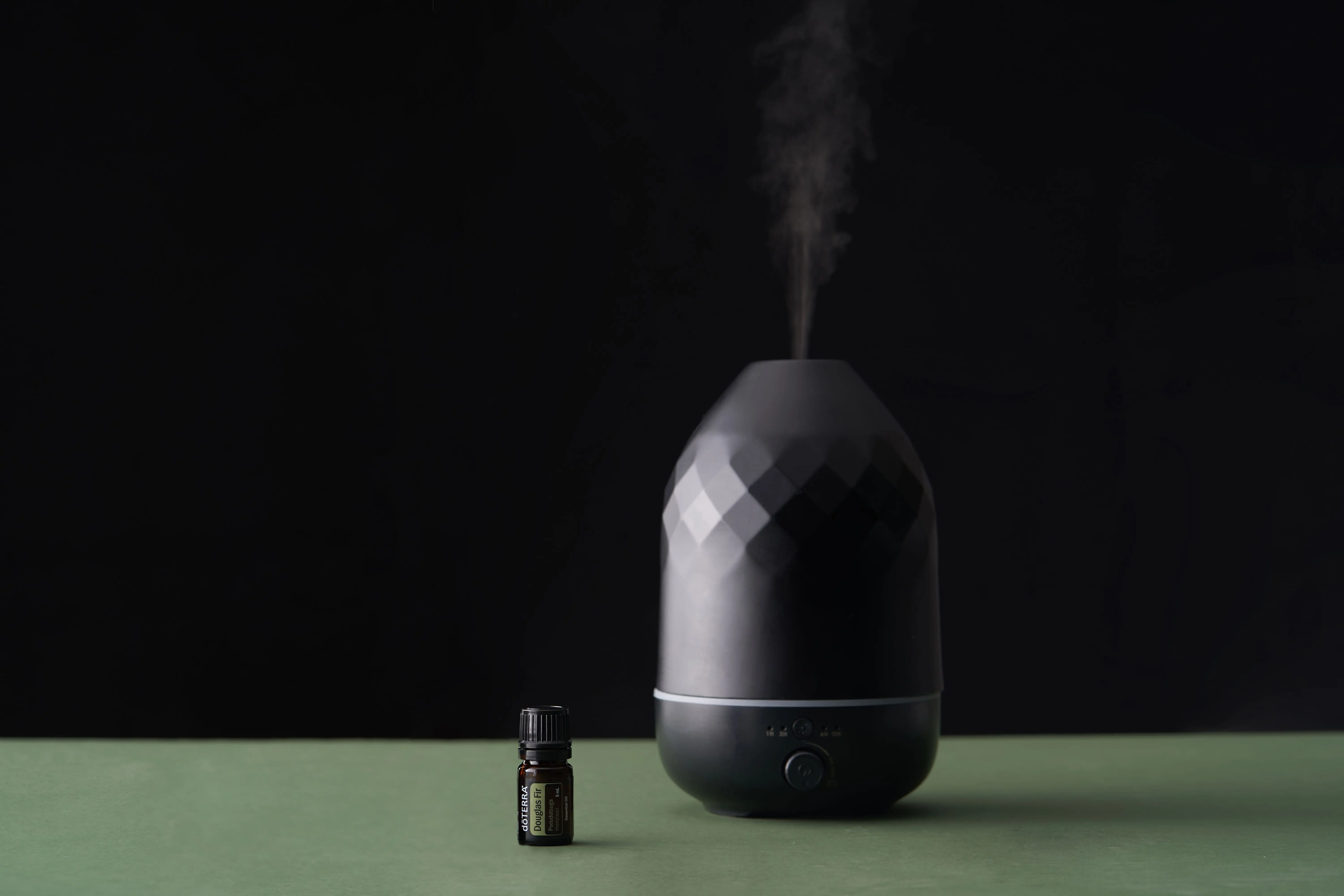
Essential oils are highly concentrated plant extracts known for their potent aromas and various beneficial properties, including pest repulsion. When it comes to what smells do flies hate, several essential oils stand out for their exceptional effectiveness. These oils contain compounds that flies find overwhelming and irritating, driving them away without harming them. Diluting these oils and using them in diffusers or sprays can create an invisible barrier against flies.
Peppermint Oil
Peppermint oil is a powerhouse against flies. Its strong, mentholated scent is repulsive to many insects, including house flies. You can create a simple fly repellent by mixing 10-15 drops of peppermint essential oil with water in a spray bottle. Mist this solution around windows, doorways, and other entry points. You can also place cotton balls soaked in peppermint oil in areas where flies frequent.
Lavender Oil
While lavender is cherished by humans for its calming aroma, flies absolutely despise it. The sweet, floral scent acts as a natural deterrent. Use lavender oil in a diffuser to keep flies out of your living areas, or apply a few drops to ribbons and hang them near windows. Planting lavender bushes outside your home can also provide a beautiful and effective barrier.
Herbal Heroes: Natural Scents to Keep Flies Away
Beyond essential oils, many common herbs possess scents that flies find unbearable. Incorporating these herbs into your garden or placing them strategically around your home can significantly reduce fly populations. These natural solutions are not only effective but also add aesthetic appeal and fresh aromas to your surroundings.
Basil and Mint
Both basil and mint are excellent fly repellents. Their strong, pungent aromas are offensive to flies. Plant basil pots near your kitchen window or on your patio. Similarly, mint plants can be grown in containers and placed near entryways. You can also crush a few leaves and rub them on surfaces where flies tend to land, such as tabletops.
Rosemary and Bay Leaf
Rosemary, with its woody and herbaceous scent, is another strong contender. Burning rosemary sprigs can create a smoky, fragrant deterrent, especially useful during outdoor gatherings. Bay leaves, commonly found in spice racks, also work wonders. Place dried bay leaves in small sachets or bowls near fruit bowls or pantry areas to keep flies away.

DIY Solutions: How to Get Rid of House Flies with Scents
Knowing what smells do flies hate allows you to craft effective and inexpensive DIY repellents. These homemade solutions are easy to prepare and use ingredients you might already have around the house, offering a safe alternative to chemical sprays.
- Clove-Studded Citrus: Slice a lemon or orange in half and stud it generously with whole cloves. Place these aromatic halves in bowls around your home. The combination of citrus and clove creates a powerful scent barrier that flies detest.
- Apple Cider Vinegar Traps: While not a repellent in the traditional sense, apple cider vinegar can be used to trap flies. Fill a small bowl with apple cider vinegar, add a few drops of dish soap, and cover it with plastic wrap poked with small holes. Flies are attracted to the vinegar but get trapped by the soap and plastic.
- Eucalyptus Spray: Mix 15-20 drops of eucalyptus essential oil with water and a splash of witch hazel in a spray bottle. Shake well and spray this solution around your outdoor living areas or inside your home where flies are a problem.

Beyond Scents: Integrated Fly Management
While using scents that flies hate is a fantastic strategy, an integrated approach will yield the best results for keeping your home fly-free. Combine aromatic repellents with good hygiene practices and physical barriers for maximum effectiveness.
- Maintain Cleanliness: Flies are attracted to food scraps, spills, and garbage. Regularly clean your kitchen, promptly dispose of trash, and keep food covered.
- Seal Entry Points: Repair torn window screens, seal cracks around doors and windows, and ensure doors close tightly to prevent flies from entering your home.
- Outdoor Management: Eliminate standing water, where flies can breed. Keep compost bins sealed and away from your house. Consider planting fly-repelling plants like marigolds or citronella near your patio.
Frequently Asked Questions About Fly Repellents
What smells do flies hate the most?
Flies generally hate strong, pungent, and herbaceous scents like peppermint, lavender, eucalyptus, basil, and citronella.
How can I get rid of house flies naturally?
You can get rid of house flies naturally by using essential oil sprays (peppermint, lavender), planting repellent herbs, creating citrus and clove deterrents, and maintaining a clean environment.
Do flies hate the smell of vinegar?
Flies are attracted to the smell of apple cider vinegar, which is often used in traps. However, they generally dislike the strong scent of white vinegar as a direct repellent.
Can I use candles to repel flies?
Citronella candles can help repel flies in outdoor settings. Other strong-scented candles, especially those with essential oils like eucalyptus or lavender, may also offer some deterrence.
Are there any plants that repel flies?
Yes, plants like basil, mint, lavender, rosemary, marigolds, and citronella grass are known to repel flies with their natural scents.
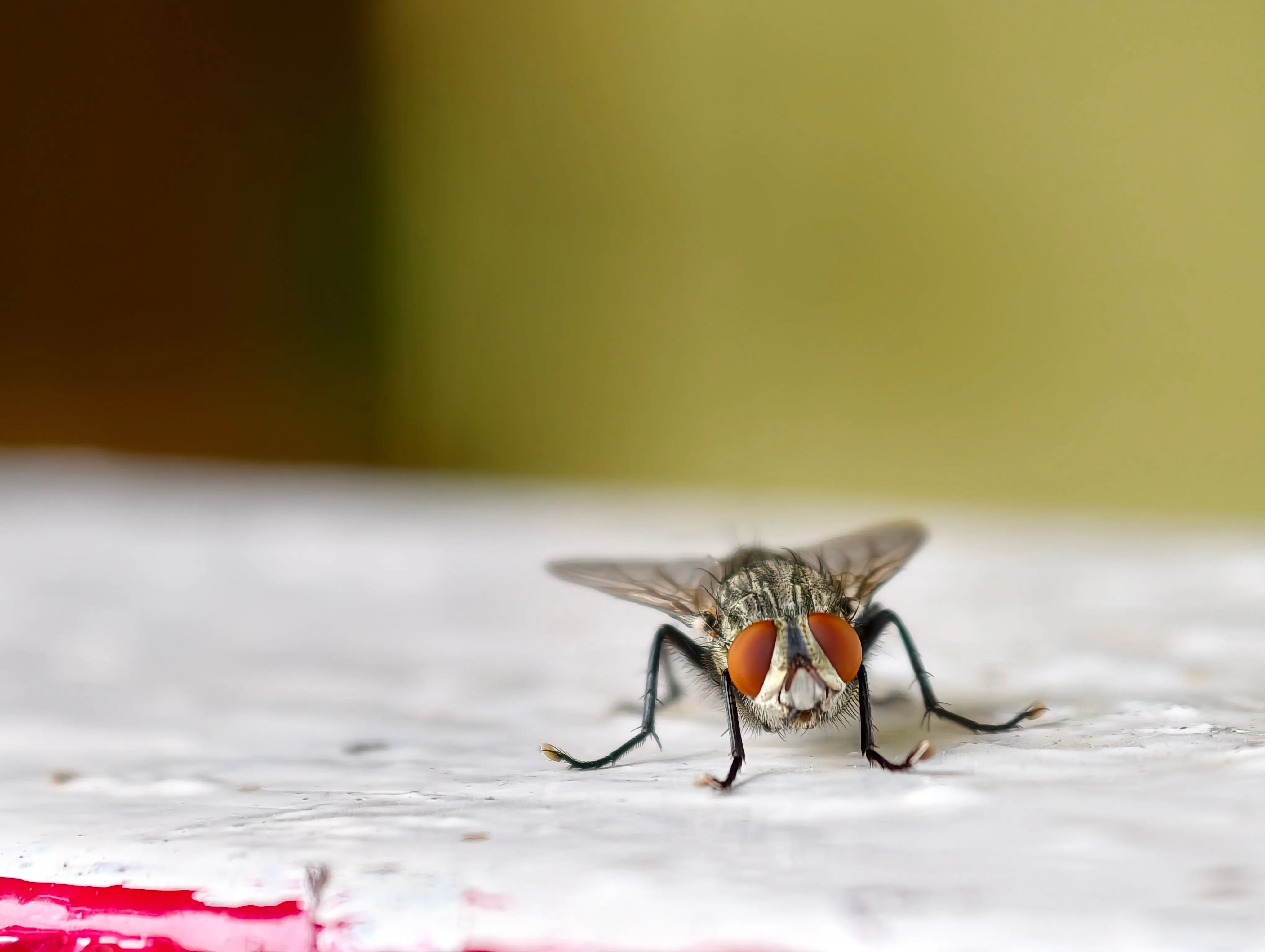
Conclusion: Embrace a Fly-Free Home Naturally
Understanding what smells do flies hate provides you with a powerful, natural arsenal against these irritating pests. By harnessing the potent aromas of essential oils, common herbs, and clever DIY concoctions, you can effectively deter flies without resorting to harsh chemicals. Imagine enjoying your home and garden without the constant buzzing and landing of flies – it’s entirely achievable! Start by identifying the scents that appeal to you while repelling flies, such as refreshing peppermint or soothing lavender.
Remember, consistency is key. Regularly refresh your natural repellents and combine them with good sanitation practices for the best results. Take control of your environment today and transform your living spaces into a naturally fresh, fly-free sanctuary. Discover the joy of a home where the only buzzing you hear is from happy conversations, not unwanted winged visitors!