
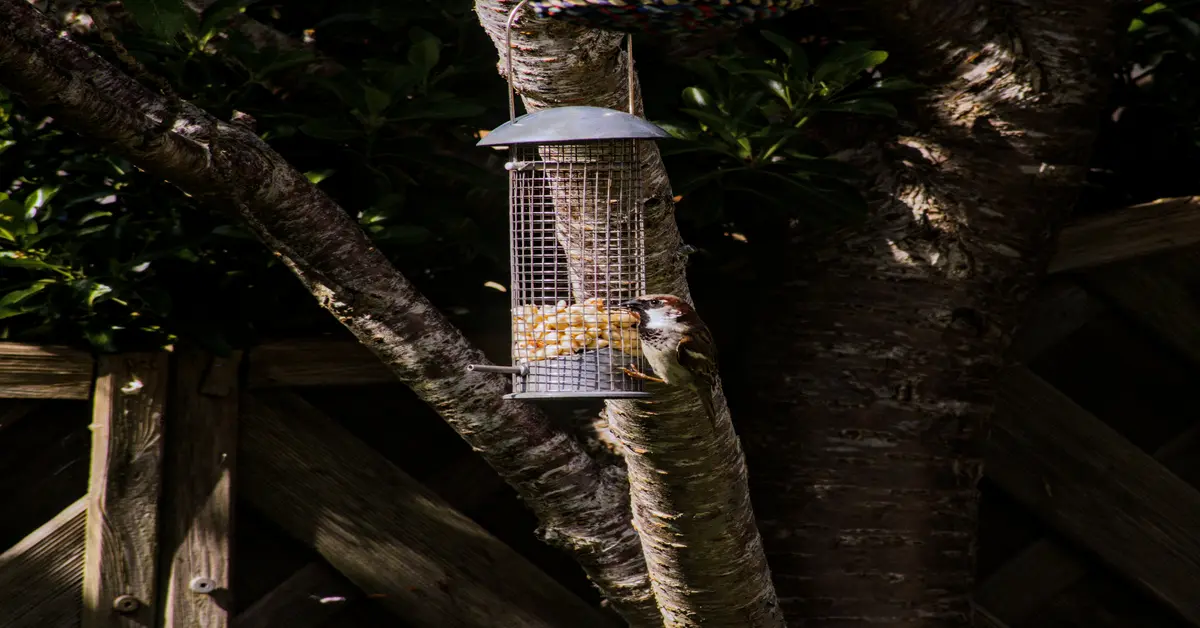

Attracting beautiful and fascinating woodpeckers to your backyard can be a rewarding experience. These vibrant birds, with their distinctive calls and powerful pecking, add a unique charm to any garden. A dedicated woodpecker bird-cage-bird-feeder/”>feeder is essential for successfully drawing them in, providing the specific foods they love. Unlike general wild bird feeders, woodpecker feeders are designed to accommodate their feeding habits and preferences. We’ll explore why these specialized feeders are so effective and how to choose the best ones for your feathered friends. Get ready to transform your backyard into a woodpecker haven!
Why Woodpeckers Need a Specialized Feeder
Woodpeckers have unique dietary needs and feeding behaviors that differentiate them from many other backyard birds. Their strong beaks and tongues are adapted for extracting insects from wood, but they also relish suet, nuts, and seeds, especially during colder months. A standard wild bird feeder might offer some of these foods, but it often isn’t designed for their clinging posture or to prevent other birds from dominating the food source. A dedicated woodpecker feeder provides easy access to suet cakes, peanuts, and black oil sunflower seeds in a way that’s comfortable and secure for them. This specialization ensures they get the nutrients they need while discouraging less desirable visitors.
The Best Foods for Your Woodpecker Feeder
To truly entice these captivating birds, understanding their favorite foods is key. Suet is undoubtedly the number one choice for a woodpecker feeder. High-energy suet, especially varieties with nuts or insects, provides vital fat and protein. Peanuts, both shelled and unshelled, are also a huge hit. Black oil sunflower seeds are another excellent option, as their thin shells are easy for woodpeckers to crack. Consider offering a mix of these to cater to different species and preferences. Avoid heavily processed foods or bread crumbs, which offer little nutritional value. Quality food is paramount for attracting and sustaining a healthy woodpecker population.

Choosing the Best Woodpecker Feeder
Selecting the right woodpecker feeder involves considering several factors to ensure it’s effective and durable. Look for feeders made from sturdy materials like recycled plastic or cedar, which can withstand the elements and repeated pecking. Suet cages should be robust and designed to hold standard suet cakes securely. Some feeders feature tail props, which provide woodpeckers with a stable surface to brace themselves while feeding, mimicking their natural perching posture on tree trunks. Consider feeders with baffles or guards if squirrels are an issue in your area, as they can quickly decimate food supplies. The best bird feeders for woodpeckers are those that are easy to clean, refill, and can withstand various weather conditions.
Placement Strategies for Your Woodpecker Feeder
Where you place your woodpecker feeder can significantly impact its success. Woodpeckers generally prefer feeders located near tree trunks or in areas with some tree cover, as this mimics their natural foraging environment. Mount the feeder at a height of at least 5-6 feet to keep it out of reach of predators like cats. Ensure it’s in a relatively quiet spot, away from heavy foot traffic or noisy areas. Providing fresh water nearby, such as a bird bath, can also make your backyard more appealing. Observe your yard to identify natural pathways or preferred perching spots for birds, and place your feeder accordingly for maximum visibility and safety.

FAQ: Your Woodpecker Feeder Questions Answered
How often should I clean my woodpecker feeder?
It’s best to clean your feeder every two weeks, or more frequently during warm weather, to prevent mold and bacteria growth. Use a mild soap and water solution, rinse thoroughly, and let it dry completely.
What types of woodpeckers will my feeder attract?
Depending on your region, a well-stocked woodpecker feeder can attract downy, hairy, red-bellied, and even pileated woodpeckers, among others.
Can squirrels access my woodpecker feeder?
Squirrels are opportunistic and will try to access any feeder. Consider using squirrel-resistant feeders or adding baffles above and below your feeder to deter them.
Is suet messy for woodpeckers?
While suet can sometimes leave residue, it’s a vital food source for woodpeckers. Opt for no-melt suet in warmer climates to minimize mess.
Should I use different feeders for different foods?
Yes, it’s often best to have separate feeders for suet, peanuts, and seeds. This caters to different feeding styles and prevents cross-contamination of foods.

Transform Your Yard with a Woodpecker Feeder
Investing in a quality woodpecker feeder is one of the most effective ways to invite these magnificent birds into your garden. By understanding their dietary needs, choosing the right feeder, and placing it strategically, you’ll create an inviting habitat that they’ll love. Remember, patience is key, and once they discover your offerings, you’ll be rewarded with their vibrant presence and fascinating behaviors. Start your journey today and enjoy the incredible experience of attracting these dedicated insect-eaters. Your backyard will thank you, and so will the woodpeckers!
