
Welcome, fellow gardeners! If you’re passionate about creating a vibrant landscape that returns year after year, then understanding your hardiness zone is crucial. Specifically, we’re diving deep into the wonderful world of zone 5 perennials. These are the hardy heroes that can withstand winter temperatures dropping to -20°F (-29°C), ensuring your garden bursts back to life each spring. Choosing the right plants not only guarantees their survival but also minimizes your effort and maximizes your enjoyment. Let’s explore some fantastic options for creating a resilient and beautiful garden in zone 5.
Embracing Zone 5 Gardening: Understanding Your Climate
Successful zone 5 gardening begins with knowing your specific microclimate. USDA Hardiness Zone 5 is characterized by average annual extreme minimum temperatures between -20°F and -10°F. Within this, you might even fall into zone 5a or 5b, with 5b being slightly milder. Knowing your precise zone helps you select plants that won’t just survive but thrive. Focusing on native plants or those proven performers for your zone reduces disappointment and creates a sustainable garden that supports local wildlife. Consider factors like sun exposure, soil type, and moisture levels in your specific area when making your selections.

Top Picks for Resilient Zone 5 Perennials
Building a garden with robust zone 5 perennials is incredibly rewarding. Here are some standout options:
- Daylilies (Hemerocallis): These reliable beauties come in an astonishing array of colors and bloom times. They are extremely low-maintenance and tolerate a wide range of conditions.
- Hostas: Perfect for shade, hostas offer incredible foliage in various shades of green, blue, and variegated patterns. They are incredibly tough and long-lived.
- Peonies (Paeonia): With their large, fragrant blooms, peonies are a classic choice. They can live for decades with minimal care once established.
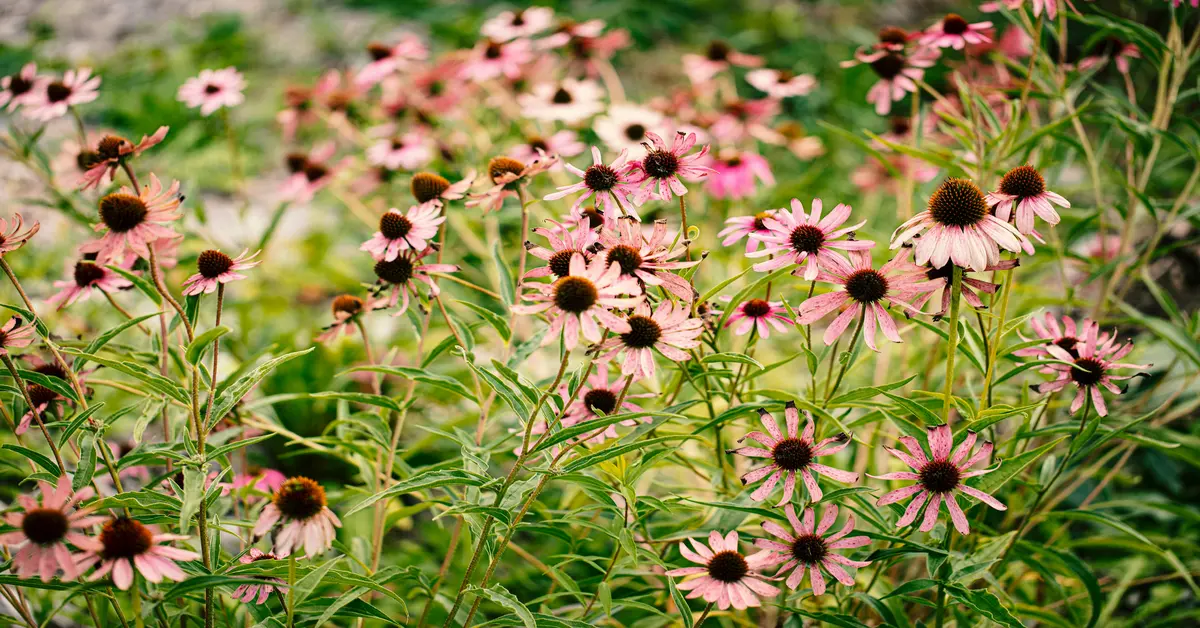
- Coneflowers (Echinacea): These cheerful, daisy-like flowers are excellent for attracting pollinators and offer beautiful color from mid-summer into fall. They are drought-tolerant once established.
- Bleeding Hearts (Dicentra spectabilis): Offering delicate, heart-shaped flowers in spring, Bleeding Hearts are perfect for shaded or partially shaded areas, adding elegant charm.
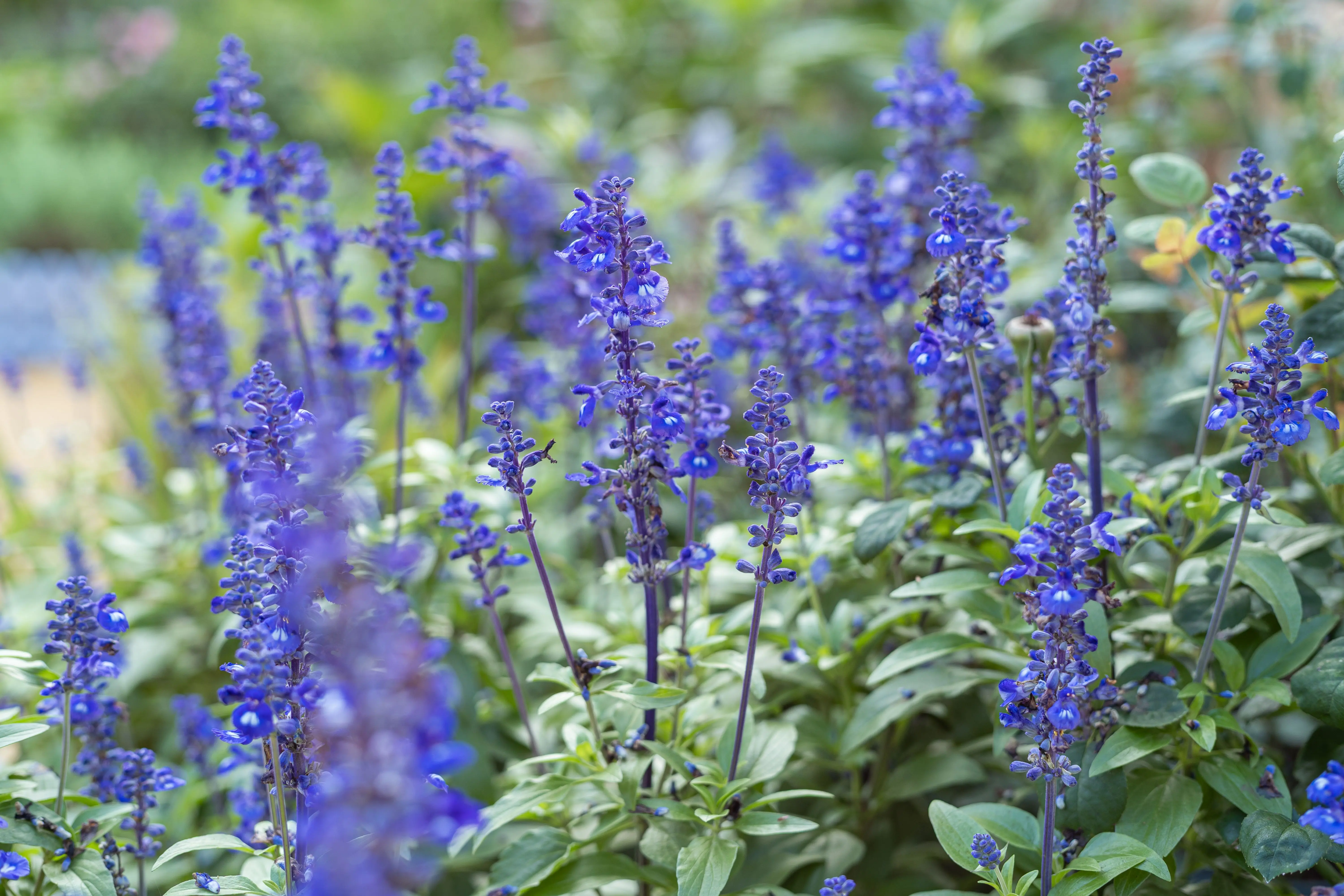
- Catmint (Nepeta): A fantastic, long-blooming perennial that tolerates heat and drought, attracting bees and butterflies with its purple spikes.
Adding Color with Plants for Hardiness Zone 5b
While all the above thrive in zone 5, if you’re specifically in hardiness zone 5b, you might have a slightly longer growing season or milder extremes, allowing for an even broader palette. Consider adding Lavender (Lavandula angustifolia) for its fragrance and beauty, or perhaps some specific varieties of ornamental grasses that appreciate a touch more warmth.
Designing Your Perennial Garden for Year-Round Interest
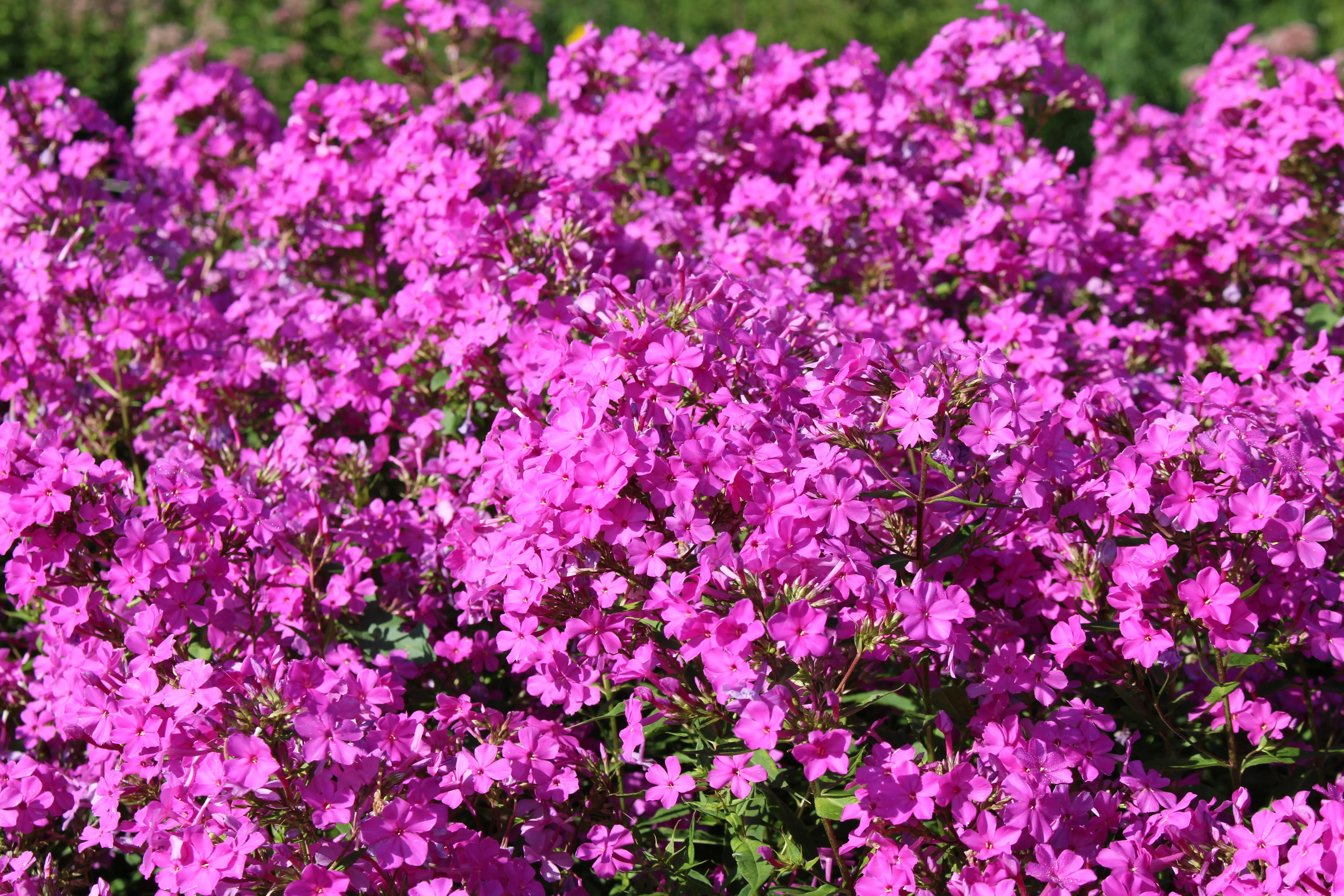
When planning your garden with zone 5 perennials, think about continuous bloom. Combine plants with different flowering times to ensure there’s always something in color from spring to fall. Layer plants by height, placing taller specimens at the back and shorter ones at the front. Incorporate diverse textures and foliage colors to add visual interest even when plants aren’t in bloom. Don’t forget evergreens or plants with interesting winter structure to provide backbone during the colder months.
Essential Care Tips for Thriving Zone 5 Perennials
Caring for your zone 5 perennials ensures they return strong year after year. Proper planting is key: dig a hole twice as wide as the root ball and ensure the plant‘s crown is at soil level. Water regularly during the first growing season to establish a strong root system. Apply a layer of mulch around plants to conserve moisture, suppress weeds, and regulate soil temperature, offering extra winter protection. Most perennials benefit from a balanced fertilizer in spring. Deadheading spent flowers can encourage more blooms, while dividing overgrown clumps every few years rejuvenates plants and gives you more to share!
FAQ About Zone 5 Perennials
What are the best shade-loving zone 5 perennials?
Hostas, Bleeding Hearts, Astilbe, and Ferns are excellent choices for shaded areas in zone 5, offering beautiful foliage and unique blooms.
When is the best time to plant zone 5 perennials?
Spring and early fall are generally the best times to plant zone 5 perennials, allowing them to establish their root systems before extreme heat or cold.
Do zone 5 perennials need winter protection?
While they are hardy, a layer of mulch (2-4 inches) over the root zone in late fall can provide extra insulation, especially for newly planted specimens or those in exposed areas.
How often should I fertilize my zone 5 perennials?
Most zone 5 perennials benefit from a light application of balanced fertilizer in early spring as new growth emerges. Avoid over-fertilizing, which can promote foliage over flowers.
What are some drought-tolerant zone 5 perennials?
Coneflowers, Sedum, Catmint, and Daylilies are excellent choices for their ability to withstand drier conditions once established.
Cultivating a Resilient Garden with Zone 5 Perennials
Embarking on a journey with zone 5 perennials is an incredibly rewarding experience. By understanding your specific climate, selecting the right plants, and providing consistent care, you can create a garden that not only survives but thrives, year after year. These reliable performers will fill your landscape with color, texture, and life, inviting pollinators and providing endless beauty. Start planning your resilient garden today and enjoy the enduring charm of these incredible plants. Discover the joy of a garden that truly comes alive!