
Understanding the various bathroom sink parts is crucial for any homeowner, whether you’re tackling a DIY repair or simply want to know how your plumbing works. From the visible faucet to the hidden drain assembly, each component plays a vital role in the functionality and hygiene of your bathroom. Knowing these parts can save you time and money, especially when minor issues arise. This comprehensive guide will break down every essential part, helping you maintain a smoothly operating sink without the need for frequent professional assistance. Let’s dive into the intricate world beneath your vanity and discover what makes your bathroom sink tick.
The Anatomy of Your Faucet Assembly
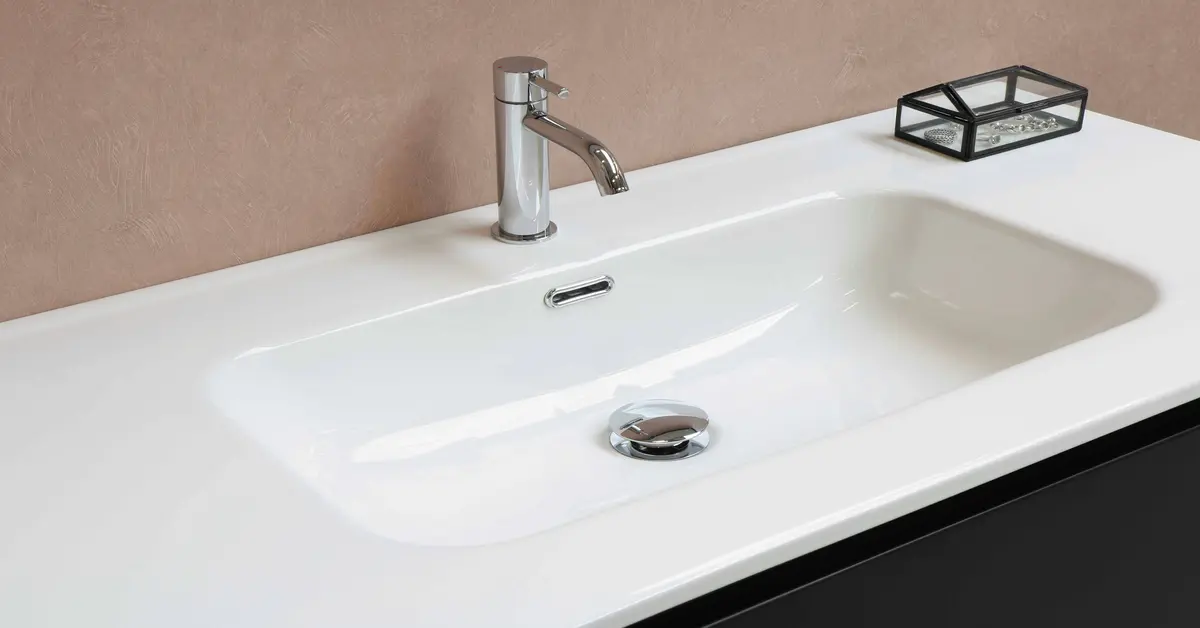
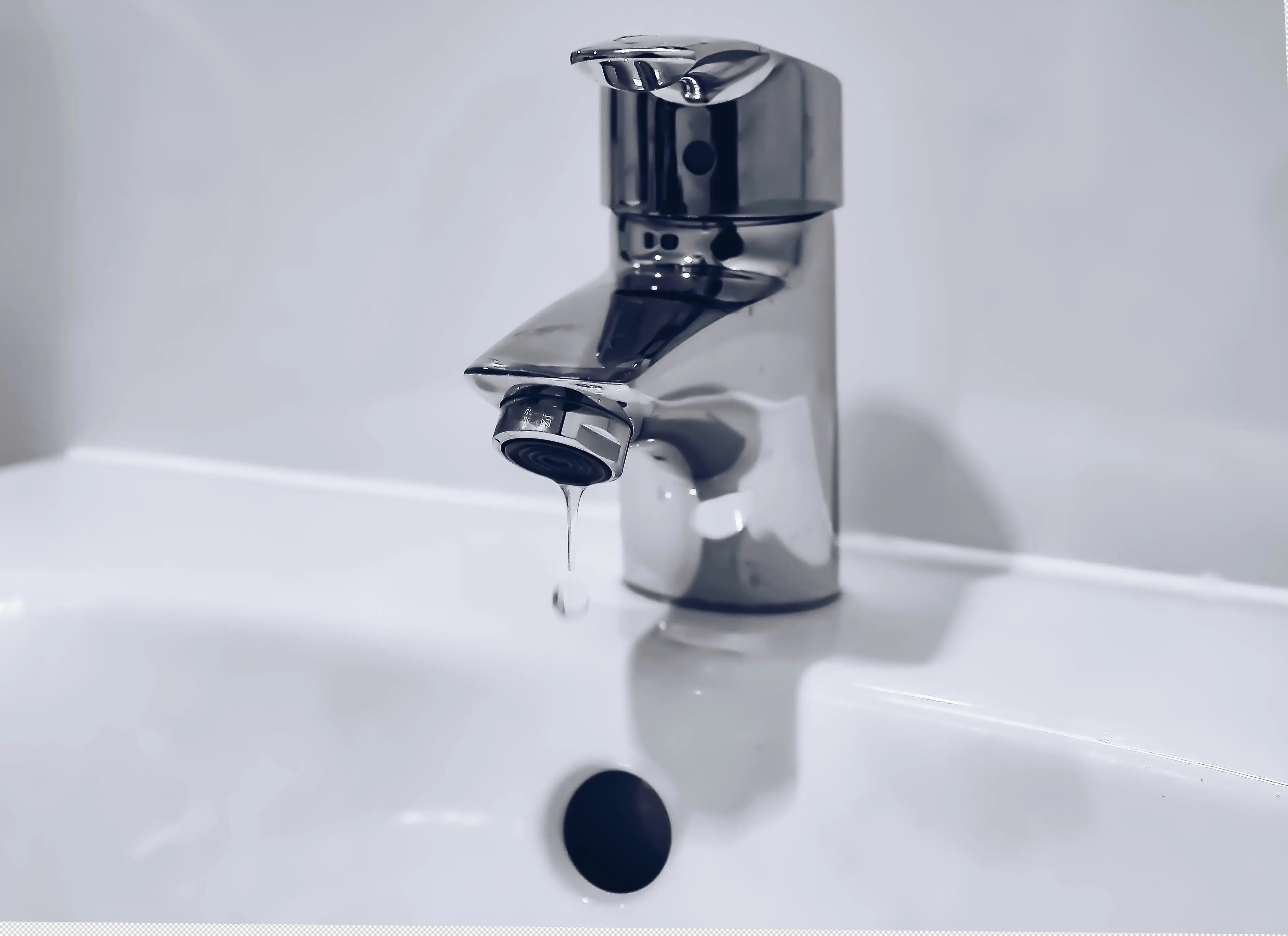
The faucet is arguably the most recognized of all bathroom sink parts, controlling the water flow and temperature. It comprises several key elements. The spout delivers water to the basin. Handles, whether single-lever or double-knob, regulate hot and cold water. Inside, a valve cartridge or compression stem mixes water and controls flow, often the culprit behind drips. The aerator, located at the end of the spout, infuses air into the water stream, making it smooth and preventing splashing while conserving water. Mounting hardware secures the faucet to the sink or countertop, ensuring stability. Regular cleaning of the aerator can prevent mineral buildup and maintain optimal water flow.
Understanding the Sink Basin
The sink basin itself is more than just a bowl; it’s a carefully designed receptacle for water. Materials vary widely, including ceramic, porcelain, glass, and even stone, each offering distinct aesthetics and durability. Key features include the overflow hole, a small opening near the top of the basin that prevents spills if the main drain becomes blocked. The drain opening, at the bottom, is where water exits the basin into the drain assembly. Proper sealing around the drain opening is essential to prevent leaks, often achieved with plumber’s putty or silicone sealant. Choosing the right basin style-drop-in, undermount, or vessel-also impacts the overall aesthetic and installation complexity.
Essential Drain Assembly Components
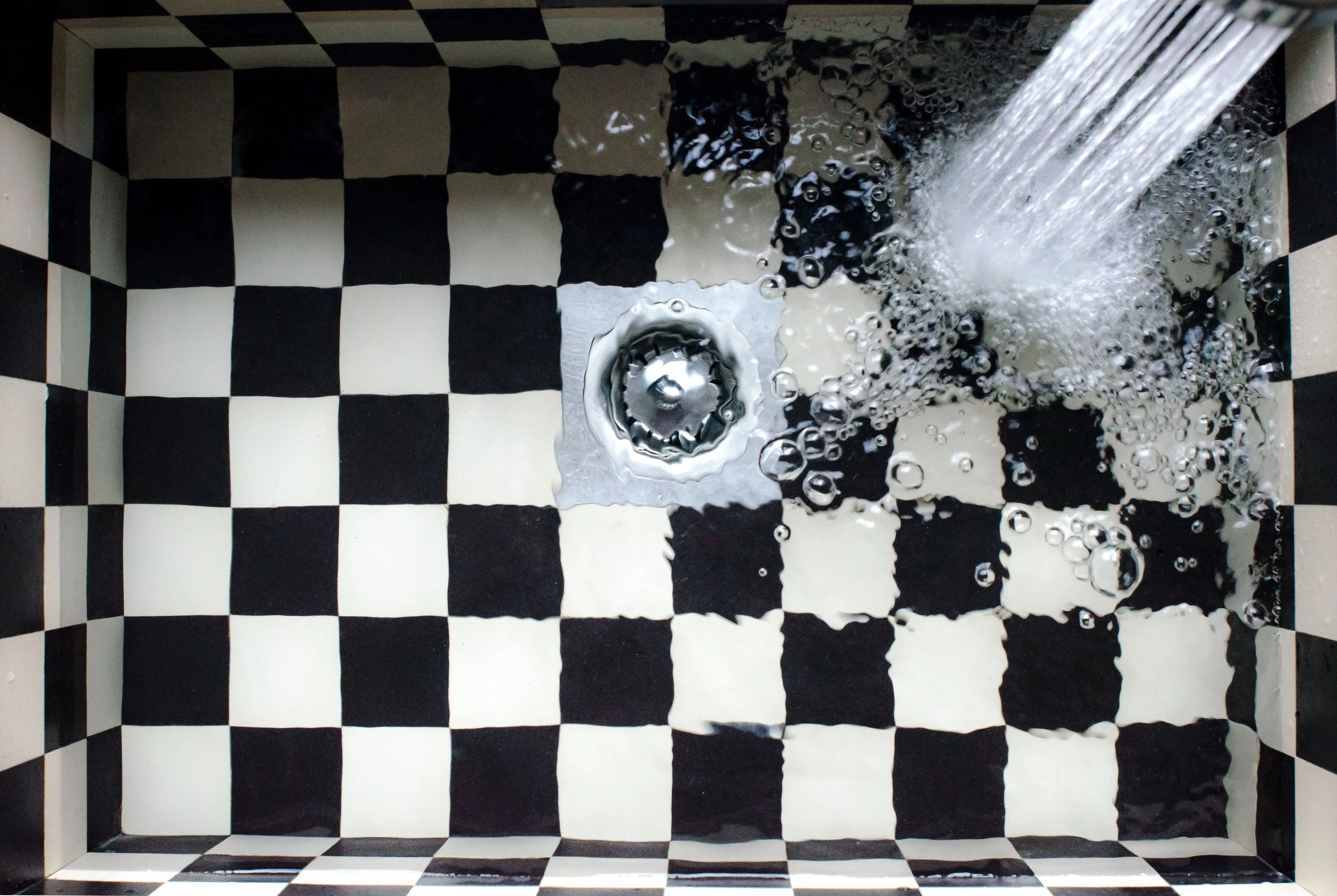
The drain assembly is a critical system of bathroom sink parts responsible for guiding wastewater away. It begins with the drain stopper, which can be a pop-up, push-button, or grid style, allowing you to fill or empty the basin. The stopper connects to a tailpiece, a vertical pipe extending from the drain opening. Below the tailpiece is the P-trap, a curved section of pipe that holds a small amount of water to create a seal, preventing sewer gases from entering your home. This is a vital component for home hygiene. The P-trap then connects to the drain line, which carries water to the main plumbing system. Understanding these components is key for any kitchen sink repair knowledge too, as many principles are similar.
Water Supply Lines and Shut-Off Valves
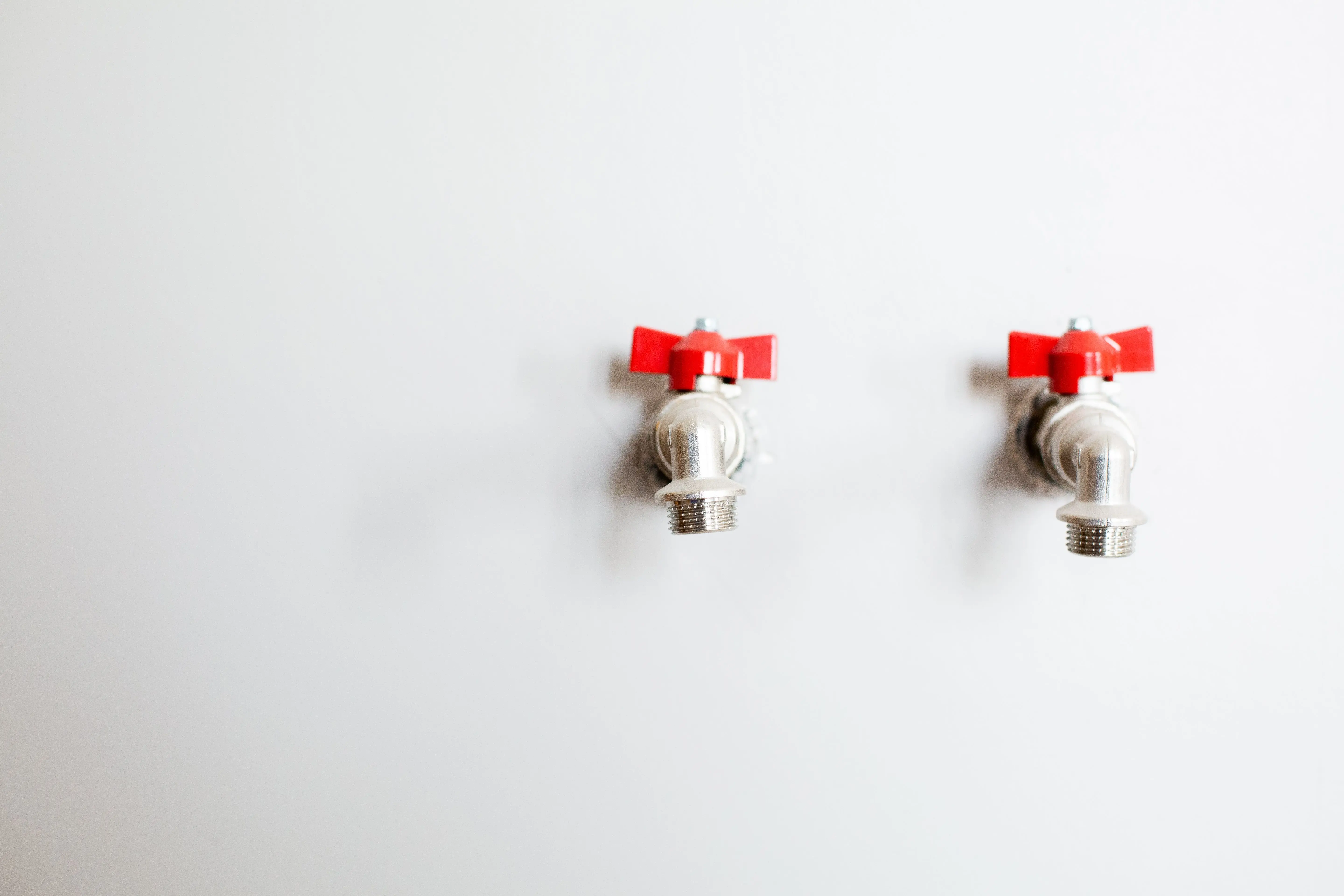
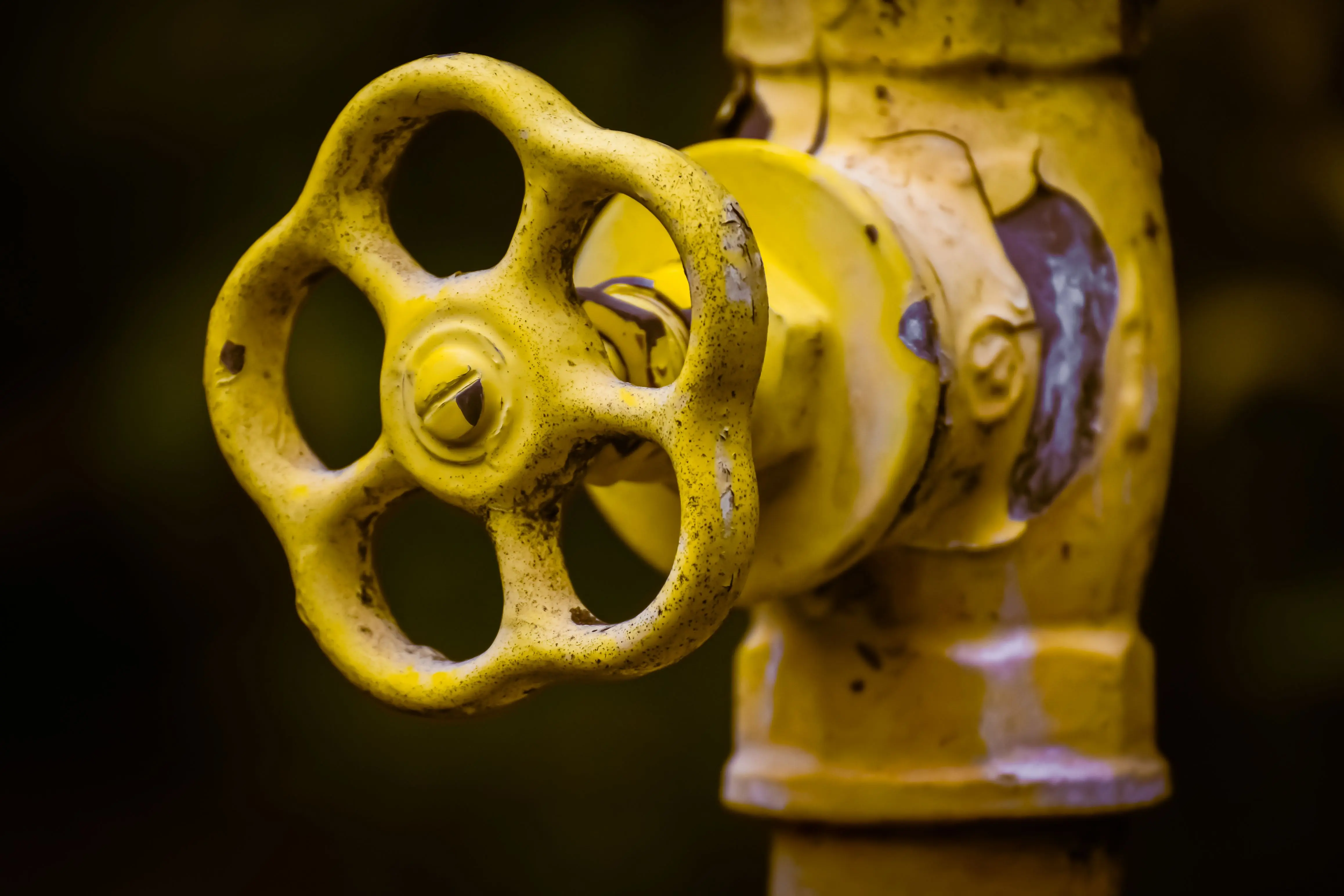
Water supply lines bring hot and cold water to your faucet. These flexible or rigid hoses connect from the supply stops (shut-off valves) located beneath your sink to the faucet’s inlet ports. The shut-off valves are incredibly important bathroom sink parts, allowing you to cut off the water supply to the sink without affecting the rest of your home’s plumbing. This is indispensable for repairs or maintenance. Regularly checking these valves ensures they are not seized and can function when needed. If you’re working on sink drain components or even a full replacement, knowing where and how to turn off the water is the first crucial step.
Installation and Sealing Essentials
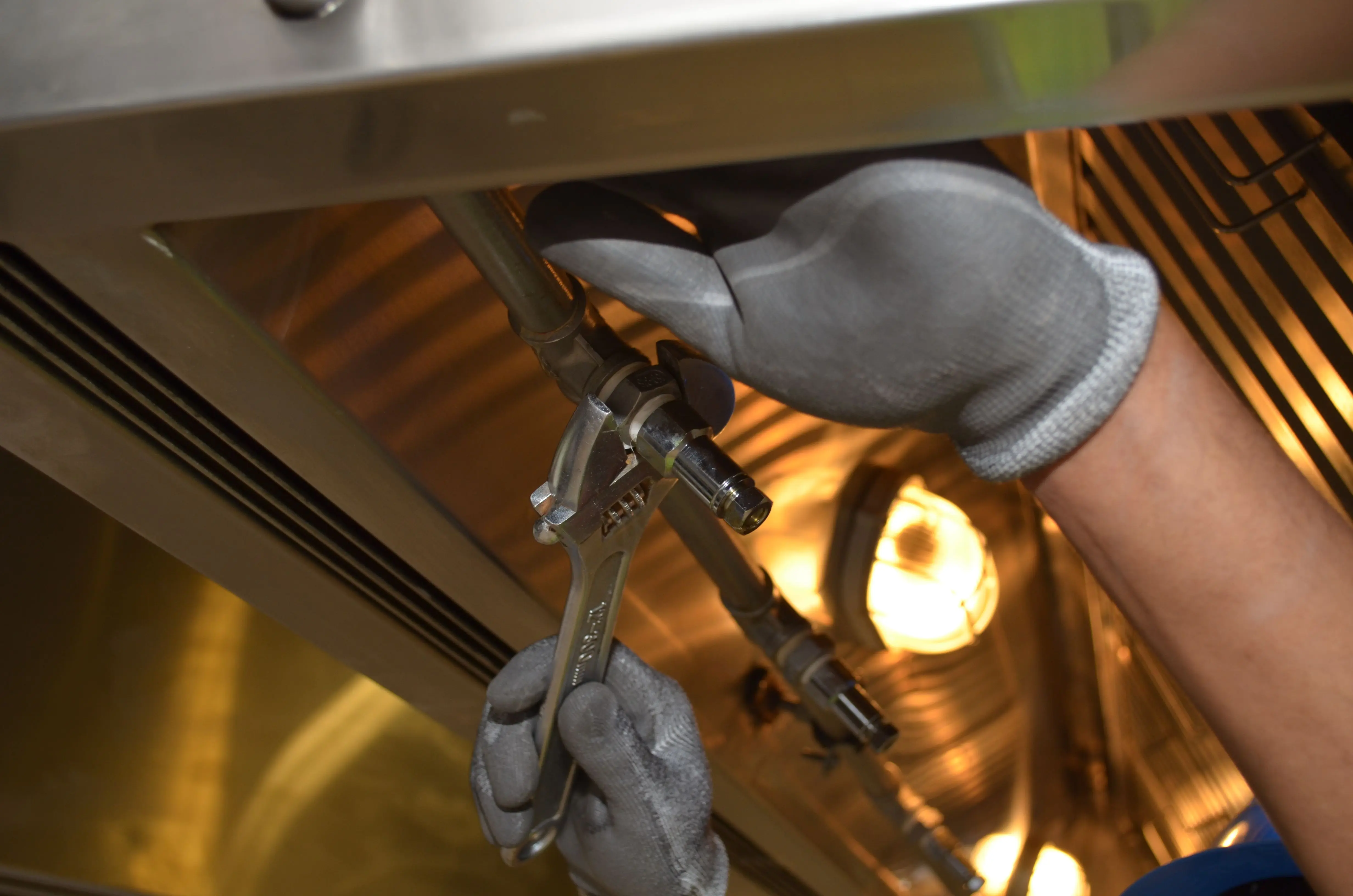
Proper installation and sealing are paramount to prevent leaks and ensure longevity for all bathroom sink parts. When installing a new sink, using the correct mounting clips or bolts secures the basin to the countertop. Plumber’s putty or silicone sealant is applied around the drain flange and between the sink and countertop to create watertight seals. These materials prevent water from seeping into the vanity or cabinetry, which can lead to costly water damage and mold growth. Adhering to manufacturer guidelines for torque and sealant application will ensure a leak-free and durable installation.
FAQ: Your Bathroom Sink Parts Questions Answered
What are the most common bathroom sink parts that fail?
The most common parts to fail are usually the faucet’s valve cartridge or compression stems, leading to drips, and the drain stopper’s linkage mechanism, which can seize or break.
Can I replace bathroom sink parts myself?
Many basic bathroom sink parts, such as aerators, drain stoppers, and even faucet cartridges, can be replaced by a DIY enthusiast with basic tools and some guidance.
What is the purpose of the P-trap under the sink?
The P-trap holds a small amount of water to create a barrier, preventing unpleasant sewer gases from entering your home through the drain.
How often should I clean my faucet’s aerator?
It’s recommended to clean your faucet’s aerator every 6-12 months, or more frequently if you live in an area with hard water, to prevent mineral buildup and maintain good water flow.
Are kitchen sink repair parts interchangeable with bathroom sink parts?
While some basic plumbing principles and tools are similar, many specific components, especially faucet and drain dimensions, are not interchangeable between kitchen and bathroom sinks due to size and design differences.

Conclusion: Mastering Your Bathroom Sink Parts
Understanding your bathroom sink parts empowers you to tackle minor repairs, perform preventative maintenance, and make informed decisions when upgrading your fixtures. From the visible faucet and basin to the essential drain assembly and hidden supply lines, each component plays a crucial role in your sink’s overall function. By familiarizing yourself with these elements, you can prevent common issues, maintain hygiene, and extend the lifespan of your plumbing. Don’t let a small leak turn into a major headache-take the time to learn about your sink’s anatomy. Discover the satisfaction of maintaining a perfectly functioning bathroom fixture by knowing its parts inside and out!