
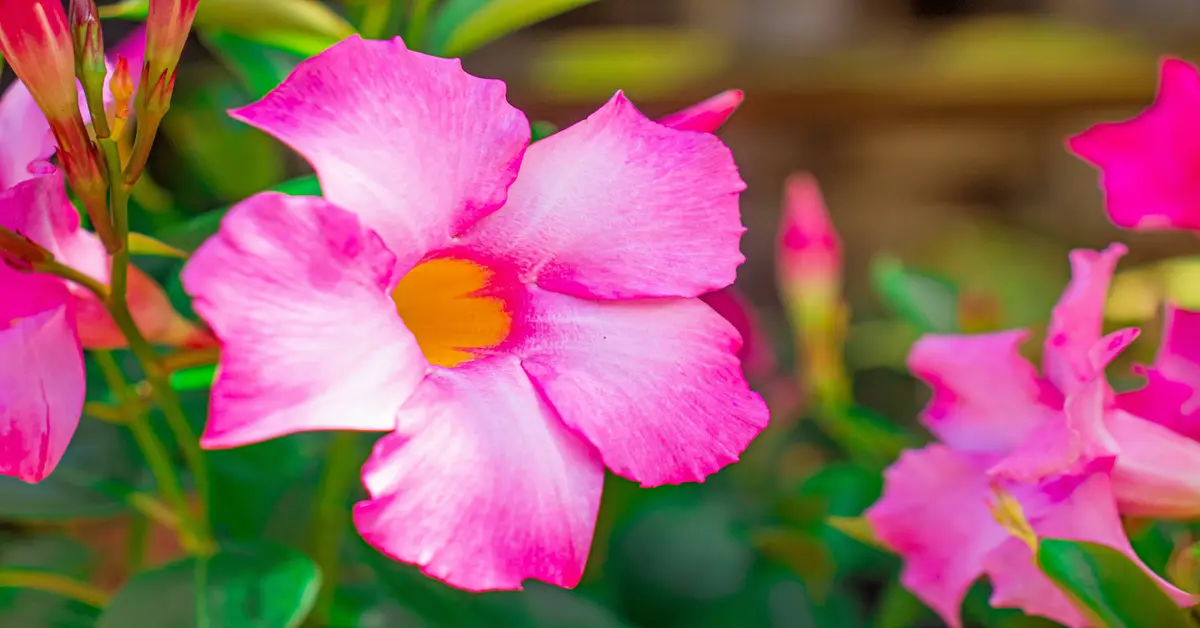
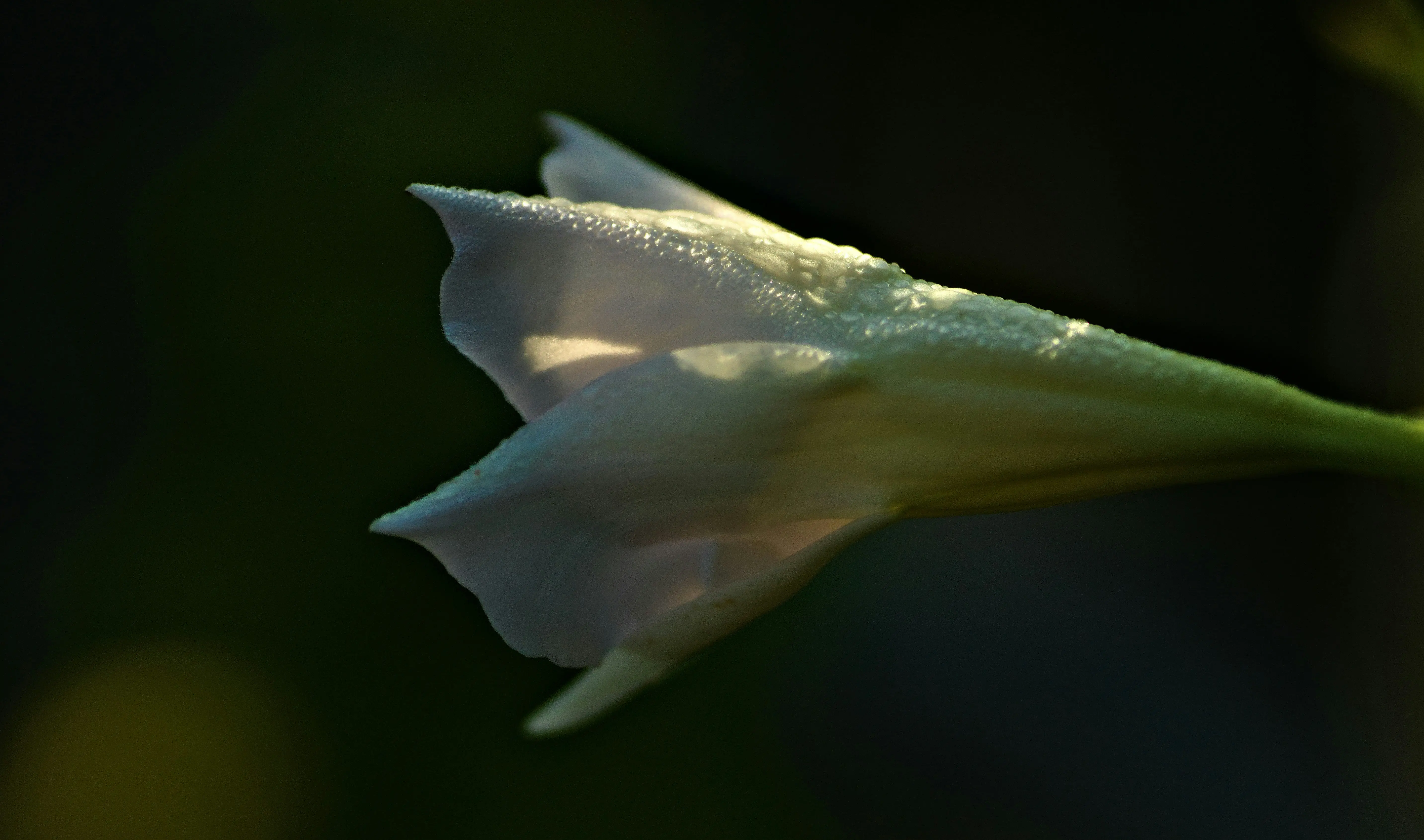
The dipladenia plant, with its vibrant, trumpet-shaped flowers and lush foliage, is a beloved choice for gardeners seeking to add a touch of tropical elegance to their outdoor spaces. Often confused with its close relative, the mandevilla, dipladenia offers a slightly more compact growth habit, making it ideal for containers, hanging baskets, and smaller garden beds. Its continuous blooming habit from spring through fall ensures a season-long display of stunning reds, pinks, and whites. Understanding the specific needs of the dipladenia plant is crucial for maximizing its potential and enjoying a profusion of its captivating blossoms. From selecting the right location to mastering its watering and feeding requirements, there are several key factors to consider for successful cultivation. This comprehensive guide will delve into everything you need to know about caring for your dipladenia, ensuring it thrives and becomes a focal point in your garden or patio.
Originating from the tropical regions of South America, dipladenia is naturally accustomed to warm climates and plenty of sunlight. While often grown as an annual in temperate zones, it can be overwintered indoors with proper care, allowing you to enjoy its beauty year after year. Its glossy green leaves provide an appealing backdrop to the profusion of flowers, creating a truly eye-catching display. Whether you’re a seasoned gardener or just starting, the relatively low-maintenance nature of the dipladenia plant makes it an accessible and rewarding choice. We’ll explore the nuances of soil composition, light exposure, pruning techniques, and common pest management to empower you with the knowledge to grow a truly spectacular specimen. Get ready to transform your garden with the unparalleled charm of the dipladenia plant.
Choosing the Perfect Location and Soil for Your Dipladenia Plant
The success of your dipladenia plant hinges significantly on providing it with the ideal growing conditions, starting with its location and the quality of its soil. These tropical beauties thrive in environments that mimic their natural habitat. For optimal blooming, a spot that receives at least six hours of direct sunlight per day is preferred. While they can tolerate some partial shade, especially in the warmest afternoon hours, too much shade will result in fewer flowers and leggy growth. If you are growing your dipladenia in a container, this offers the flexibility to move it to follow the sun or protect it from harsh weather conditions. Consider locations on south or west-facing patios or balconies that receive ample sunlight throughout the day. Protection from strong winds is also beneficial, as strong gusts can damage the delicate vines and flowers.
When it comes to soil, the dipladenia plant demands a well-draining, fertile mix. It’s crucial to avoid heavy, waterlogged soils, as these can lead to root rot, a common killer of many container plants. For potted dipladenias, a high-quality potting mix formulated for flowering plants or tropicals is an excellent choice. You can enhance drainage further by amending the soil with perlite or coarse sand. If planting directly in the garden, ensure the soil is well-amended with organic matter, such as compost, to improve fertility and drainage. The ideal pH for dipladenia falls between 6.0 and 7.0, a slightly acidic to neutral range. Regular soil testing can help you determine your soil’s pH and make necessary adjustments. Ensuring these foundational elements are in place will set your dipladenia plant up for a season of vigorous growth and abundant blooms.
Ensuring proper drainage for dipladenia planting
Proper drainage is paramount for the health of your dipladenia plant. Whether in containers or in the ground, standing water around the roots can quickly lead to fungal diseases and root decay. For container planting, always choose pots with adequate drainage holes at the bottom. Adding a layer of gravel or broken pottery at the bottom of the pot was once a popular practice, but modern horticultural understanding suggests this can actually create a perched water table, hindering rather than helping drainage. Instead, focus on using a breathable potting mix and ensuring the drainage holes remain unobstructed. If planting in the garden, mounding the soil slightly or incorporating raised beds can help improve drainage in areas with heavy clay soils. The goal is to provide a growing medium that retains enough moisture for the plant but allows excess water to escape freely, preventing the roots from sitting in soggy conditions.
Watering and Fertilizing Your Dipladenia Plant for Lush Growth
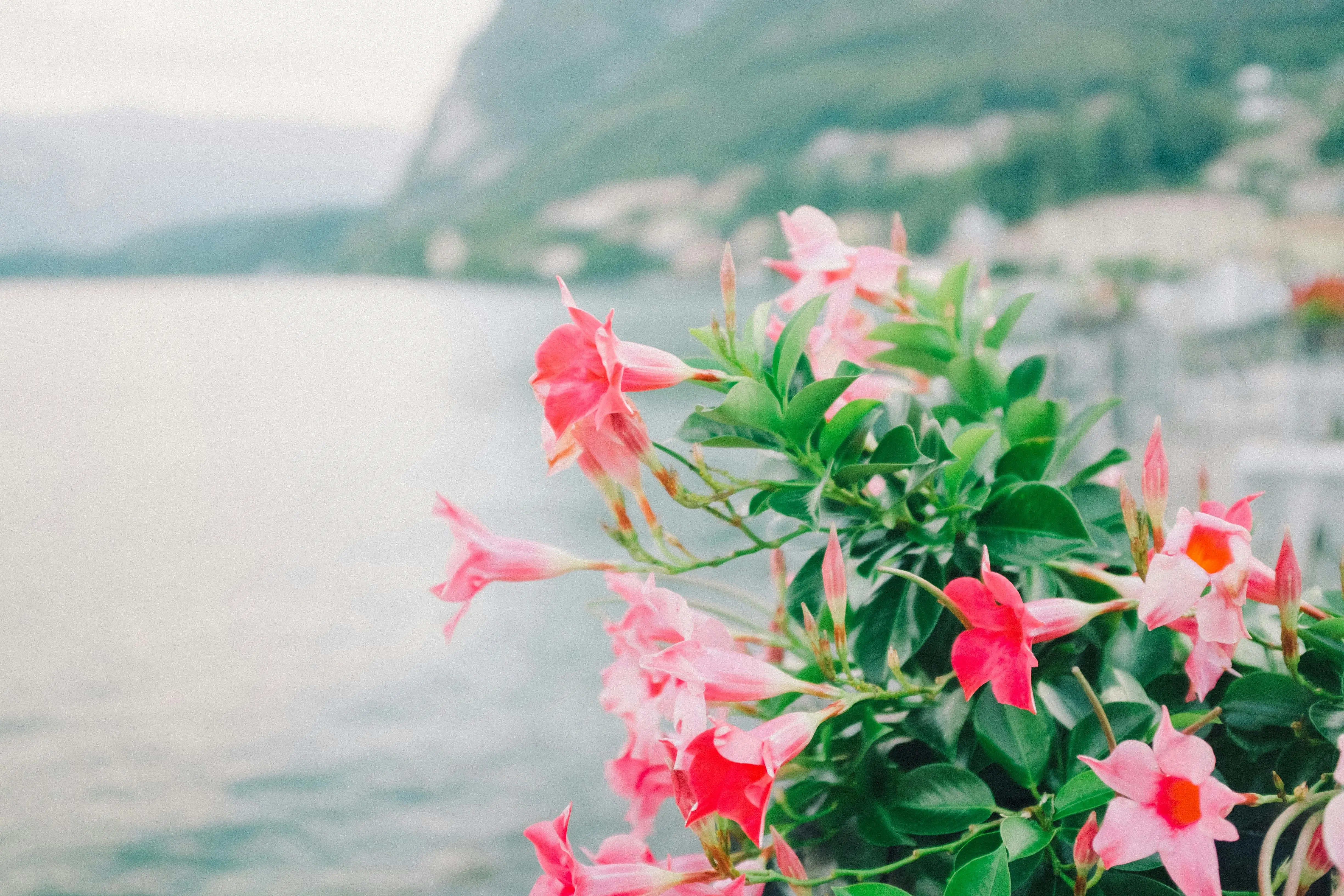
Proper watering and fertilization are key to unlocking the full potential of your dipladenia plant, ensuring it produces those stunning, continuous blooms. Dipladenias prefer consistently moist soil, but they are highly susceptible to overwatering. The general rule of thumb is to water thoroughly when the top inch or two of the soil feels dry to the touch. In hot, sunny weather, especially for container-grown plants, this might mean daily watering. However, during cooler periods or if the plant is in partial shade, watering frequency can be reduced. Always check the soil moisture before watering to avoid saturating the roots. Wilting leaves can be a sign of both under-watering and over-watering, so it’s essential to check the soil rather than simply reacting to the appearance of the foliage. Ensure that any excess water drains freely from the bottom of the pot to prevent root rot.
When it comes to feeding, the dipladenia plant is a heavy feeder, especially during its active growing and blooming periods. A balanced, slow-release granular fertilizer applied at the beginning of the growing season can provide a steady supply of nutrients. Alternatively, a liquid fertilizer, high in phosphorus, can be applied every two to four weeks throughout the spring and summer. Look for formulations specifically designed for flowering plants, as these often have a higher middle number in the NPK ratio (e.g., 5-10-5 or 10-20-10), which promotes flower production. Always follow the manufacturer’s recommendations for dilution and application rates to avoid nutrient burn. Reduce fertilization in late fall as the plant prepares for dormancy. Consistent feeding will fuel the impressive floral display that makes the dipladenia plant so popular in gardens and patios alike.
The nuances of dipladenia planten and feeding schedules
Understanding the nuances of dipladenia planten and its feeding schedule goes beyond simply applying fertilizer. The timing and type of nutrients are critical. During the peak blooming season, a fertilizer with micronutrients can also be beneficial, addressing any potential deficiencies that might hinder flower development or overall plant vigor. Yellowing leaves, for example, can sometimes indicate a lack of iron or magnesium. Foliar feeding, applying a diluted liquid fertilizer directly to the leaves, can offer a quick boost of nutrients, though it’s important to do so in the early morning or late evening to prevent leaf scorch. Remember, a healthy root system, supported by appropriate watering, is essential for efficient nutrient uptake. Pay close attention to your plant’s specific needs, as environmental factors like temperature and humidity can influence how much water and food it requires.
Pruning and Training for a Fuller Dipladenia Plant
Proper pruning and training are essential not only for maintaining the desired shape and size of your dipladenia plant but also for encouraging more vigorous growth and an abundance of blooms. Dipladenias have a natural vining habit, but with strategic pruning, they can be kept more bushy and compact, making them ideal for containers and hanging baskets. The best time for significant pruning is in late winter or early spring, just before the new growth spurt begins. During this time, you can remove any dead, damaged, or diseased stems. Thin out overcrowded areas to improve air circulation, which helps prevent fungal issues. Regular deadheading – removing spent flowers – is also crucial throughout the blooming season. This practice diverts the plant’s energy from seed production back into creating more flowers, ensuring a continuous display.
For a bushier dipladenia plant, pinch back the tips of young stems. This encourages branching and a denser growth habit. If you desire a climbing plant, provide a trellis or support structure early on. Gently guide the new shoots to twine around the support as they grow. Dipladenias don’t have tendrils like some other climbers, so they will need a little help to attach themselves. Regular inspections for errant or crossing branches will help you maintain an attractive form. Don’t be afraid to prune; dipladenias are quite resilient and respond well to being cut back, often rewarding you with even more vibrant growth and flowers. This proactive approach to care will significantly enhance the aesthetic appeal and health of your dipladenia plant throughout its growing season.
Training your dipladenia planten for vertical displays
Training your dipladenia planten for vertical displays, such as on a trellis or an obelisk, can create stunning visual impact. Begin early when the plant is young and its stems are more pliable. Use soft ties or plant clips to gently secure the main stems to the support. Avoid using anything that could cut into the plant as it grows. As new shoots emerge, continue to guide them, weaving them through the support structure. This not only encourages upward growth but also ensures an even distribution of foliage and flowers, preventing a lopsided appearance. Regular observation is key; as the plant grows vigorously, you might need to adjust ties or add new ones. This thoughtful training will help your dipladenia plant achieve its full ornamental potential, transforming it into a living work of art in your garden.
Pest and Disease Management for a Healthy Dipladenia Plant
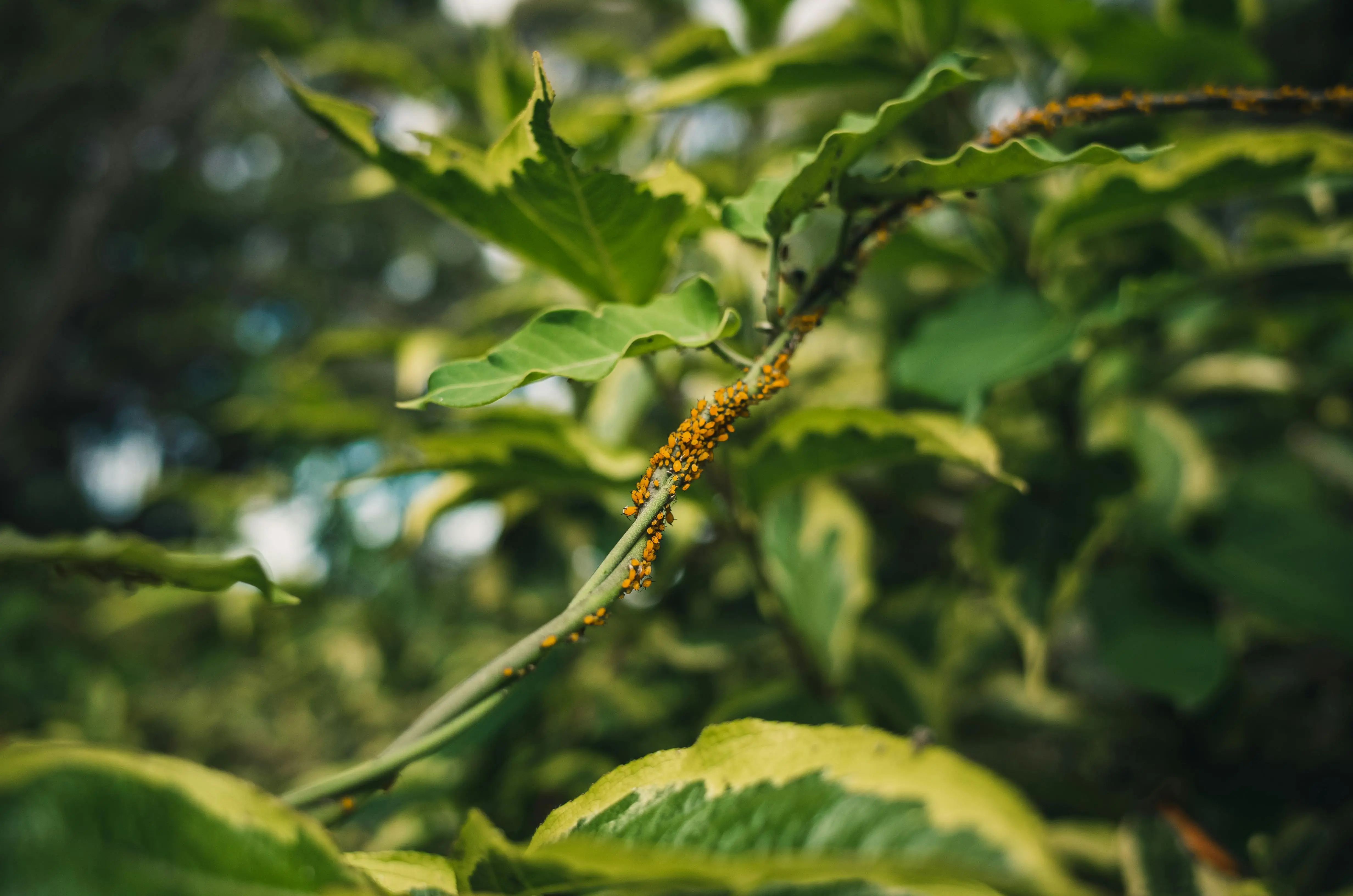
Maintaining a healthy dipladenia plant requires vigilance against common pests and diseases that can quickly diminish its vigor and beauty. While generally robust, dipladenias can occasionally fall victim to certain issues. The most common pests include aphids, spider mites, and mealybugs. Aphids are small, soft-bodied insects that cluster on new growth and the undersides of leaves, sucking sap and causing distorted foliage. Spider mites are tiny arachnids that are difficult to see with the naked eye but leave tell-tale webbing and cause stippling on leaves. Mealybugs appear as white, cottony masses in leaf axils and along stems. Regular inspection of your dipladenia plant, especially the undersides of leaves, can help you catch infestations early.
For minor infestations, a strong spray of water can dislodge pests. For more persistent problems, insecticidal soap or neem oil can be effective, applied according to the product’s instructions. Ensure thorough coverage, paying particular attention to the undersides of leaves. Biological controls, such as introducing beneficial insects like ladybugs, can also be a natural way to manage pest populations. In terms of diseases, the primary concern for dipladenia is root rot, which is almost always caused by overwatering or poorly draining soil. Symptoms include wilting, yellowing leaves, and a general decline in plant health. Prevention is the best cure: ensure excellent drainage and water appropriately. Fungal leaf spots can sometimes occur in humid conditions; improving air circulation and avoiding overhead watering can help mitigate this. Addressing these issues promptly will ensure your dipladenia plant remains vibrant and free from stress.
Recognizing distress in your dipladenia planten
Recognizing the early signs of distress in your dipladenia planten is crucial for timely intervention. Beyond visible pests, pay attention to subtle changes in leaf color, texture, or growth patterns. Yellowing leaves could indicate nutrient deficiency, overwatering, or even underwatering. Crispy, brown leaf edges might suggest too much sun or insufficient humidity. Stunted growth or a lack of flowering when conditions should be ideal can point to root problems or a lack of fertilization. Observing these symptoms and understanding their potential causes allows you to adjust your care routine proactively. Early detection of problems often leads to simpler and more effective solutions, ensuring the long-term health and impressive bloom display of your dipladenia plant.
Overwintering Your Dipladenia Plant: A Year-Round Enjoyment
For those living in temperate climates where temperatures drop below freezing, overwintering your dipladenia plant is a fantastic way to enjoy its beauty for more than just one season. Dipladenias are tropical plants and are not frost-hardy. The key to successful overwintering is to bring the plant indoors before the first hard frost. Before bringing it inside, give the plant a thorough inspection for any pests. It’s a good idea to treat it with insecticidal soap or neem oil as a preventative measure to avoid introducing unwanted visitors into your home. You can also prune the plant back by about one-third to one-half to manage its size and encourage bushier growth in the spring.
Once indoors, locate your dipladenia plant in a bright spot, ideally near a south-facing window, where it can receive as much natural light as possible. Reduced light levels combined with cooler temperatures will cause the plant to enter a semi-dormant state. During this period, significantly reduce your watering frequency. The soil should be allowed to dry out almost completely between waterings. Do not fertilize the plant during its dormant period; it will not be actively growing and will not utilize the nutrients. Aim for cooler indoor temperatures, ideally between 50-60°F (10-15°C), if possible, as this further encourages dormancy. Avoid placing it near heat vents, which can dry out the air excessively. As spring approaches and temperatures begin to rise outdoors, gradually reintroduce your dipladenia plant to the sun and increase watering and fertilization. This careful transition will ensure a strong rebound and another season of spectacular blooms from your cherished dipladenia plant.

FAQs About the Dipladenia Plant
How much sun does a dipladenia plant need?
The dipladenia plant thrives in full sun, meaning at least six hours of direct sunlight per day is ideal for the most abundant blooms. While it can tolerate some partial shade, especially in hotter climates during the afternoon, too much shade will result in fewer flowers and leggy growth.
What is the difference between dipladenia and mandevilla?
While often confused, dipladenia and mandevilla are very similar, both belonging to the Mandevilla genus. Dipladenia typically has smaller, glossier leaves, a more compact and bushier growth habit, and slightly smaller flowers. Mandevilla tends to be larger, with larger leaves, a more vigorous vining habit, and larger flowers.
How often should I water my dipladenia plant?
Water your dipladenia plant thoroughly when the top inch or two of the soil feels dry to the touch. It prefers consistently moist, but not waterlogged, soil. In hot, sunny weather, container plants might need daily watering, but always check soil moisture to avoid overwatering, which can lead to root rot.
Do I need to prune my dipladenia plant?
Yes, regular pruning is beneficial for your dipladenia plant. Pruning in late winter or early spring helps maintain shape, encourages bushier growth, and promotes more flowers. Deadheading spent blooms throughout the season is also crucial for continuous flowering.
Can dipladenia plants be overwintered indoors?
Absolutely! Dipladenia plants are tropical and are not frost-hardy. In zones with freezing winters, they can be successfully overwintered indoors. Bring them inside before the first frost, provide ample light, reduce watering, and cease fertilization until spring.
Conclusion: Embracing the Vibrant Dipladenia Plant
The dipladenia plant truly stands out as an exceptional choice for anyone looking to infuse their garden or patio with vibrant color and tropical charm. With its continuous display of striking, trumpet-shaped flowers and glossy foliage, it offers enduring beauty from spring through the first frost. By understanding and meeting its fundamental needs – ample sunlight, well-draining soil, consistent but careful watering, and regular fertilization – you can unlock its full potential for a spectacular show. Whether you choose to grow it in containers, hanging baskets, or as a graceful climber, the dipladenia plant rewards your efforts with an unparalleled floral spectacle.
Remember the importance of timely pruning for shape and increased blooming, and don’t shy away from the rewarding process of overwintering to enjoy your plant year after year. Addressing potential pests and diseases with prompt attention will ensure your dipladenia remains healthy and thriving. Embrace the captivating allure of the dipladenia plant and watch as it transforms your outdoor space into a haven of vibrant color and enduring beauty. Its relatively low-maintenance nature, combined with its stunning visual impact, makes it a must-have for both novice and experienced gardeners alike. Plant a dipladenia this season and immerse yourself in its remarkable charm and elegance.