
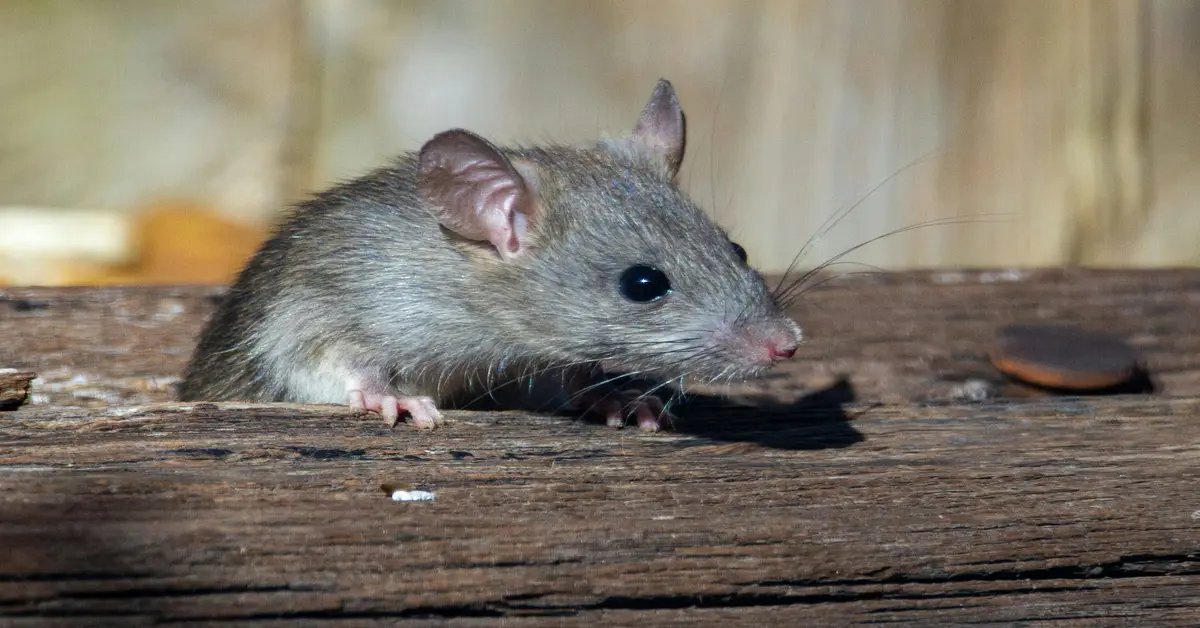
When facing a rodent infestation, many homeowners turn to powerful solutions like just one bite rat poison. This potent rodenticide is designed to eliminate rats and mice quickly and efficiently. Its name reflects its promise: that a single consumption is enough to be lethal. Understanding how to use just one bite rat poison effectively and safely is crucial, not just for eradicating pests, but also for protecting your family and pets. While it offers a seemingly straightforward solution, improper use can lead to ineffective results, continued infestations, or worse, accidental poisoning of non-target animals. This guide delves into the best practices for deploying this powerful tool, ensuring you achieve a rodent-free environment with minimal risks.
Understanding Just One Bite Rat Poison
Just one bite rat poison is a highly effective rodenticide primarily containing bromadiolone or brodifacoum as its active ingredient. These compounds are anticoagulants, meaning they prevent blood from clotting, leading to internal hemorrhaging in rodents. The bait is formulated to be highly palatable to rats and mice, often incorporating food attractants like grains or seeds. Its effectiveness lies in the fact that rodents typically only need to consume a small amount for the lethal effects to begin, usually within a few days. This delayed action is intentional, as it prevents other rodents from associating the bait with immediate danger, thus encouraging widespread consumption among the colony. Understanding its mechanism is key to safe and successful pest control.
How it Works: The Science Behind the Bait
The active ingredients in just one bite rat poison interfere with the rodent’s vitamin K cycle, which is essential for blood clotting. Once ingested, it takes a few days for the rodent to succumb. This delay is a critical design feature; if rodents died immediately after eating the bait, others would become bait-shy. The slow onset of symptoms also means that rodents often return to their nests before expiring, preventing them from dying in easily visible or accessible areas. The bait comes in various forms, including blocks, pellets, and soft baits, each designed for different placement strategies and rodent preferences. Selecting the right type can enhance effectiveness.
Strategic Placement for Maximum Impact
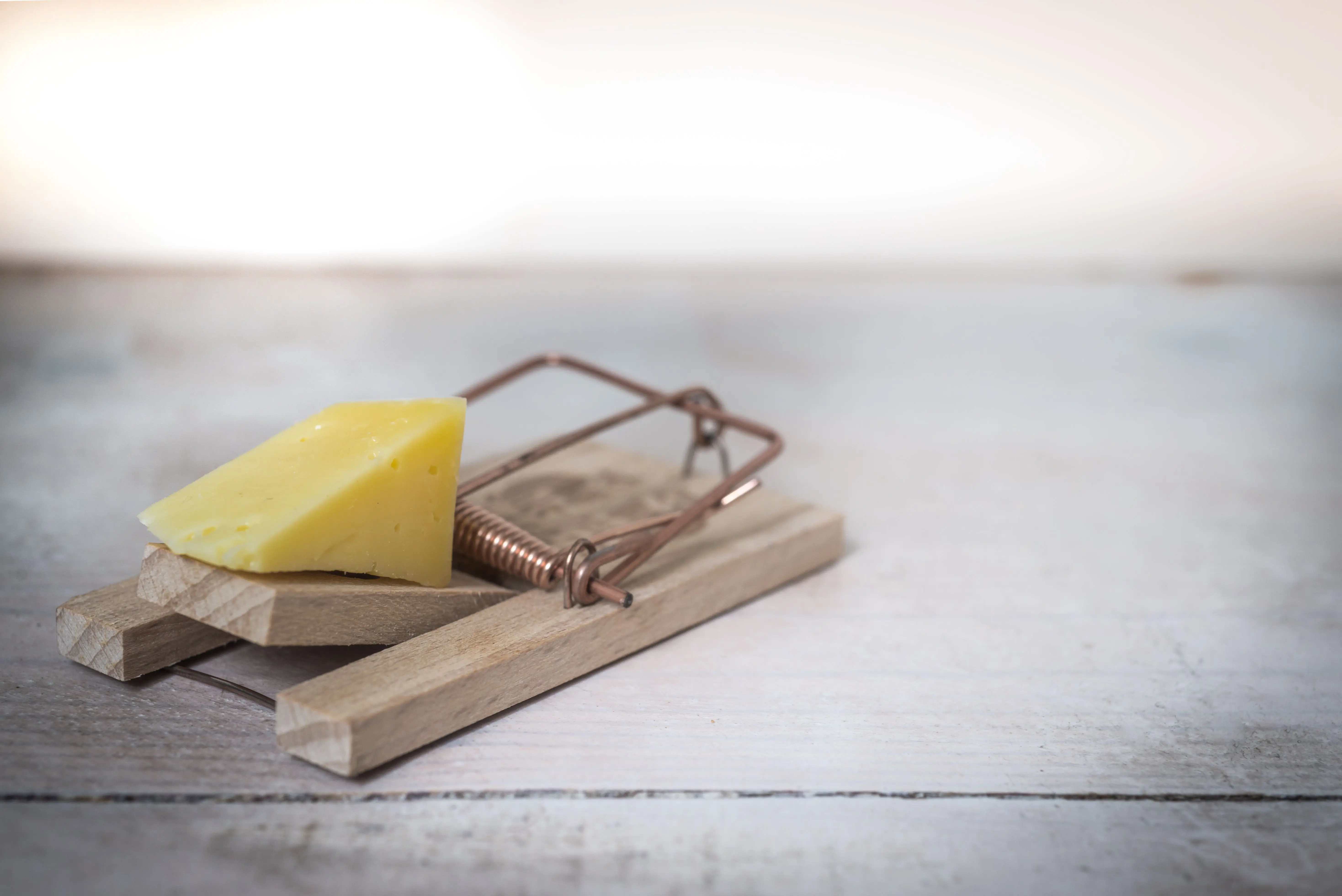
Effective placement of just one bite rat poison is paramount to its success and safety. The goal is to place the bait in areas where rodents are active but inaccessible to children, pets, and non-target wildlife. Look for signs of rodent activity, such as droppings, gnaw marks, runways, and burrows. Common places include basements, attics, garages, utility closets, and along walls where rodents travel. Always use tamper-resistant bait stations. These stations protect the bait from moisture and prevent accidental exposure to other animals, while allowing rodents to enter and feed freely. Regular monitoring of these stations is essential to replenish consumed bait and remove any dead rodents.
Safety First: Protecting Your Family and Pets
The potent nature of just one bite rat poison necessitates extreme caution. Always read and follow the product label instructions meticulously. Store the poison in its original container in a locked cabinet, out of reach of children and pets. When handling the bait, wear gloves to prevent skin contact and to avoid transferring human scent to the bait, which can deter rodents. After placement, routinely check bait stations. Dispose of any dead rodents promptly and safely, wearing gloves, to prevent secondary poisoning of scavengers. If accidental ingestion occurs, seek immediate medical attention for humans or veterinary care for pets. Keep the product label handy for emergency responders.
Common Mistakes to Avoid When Using Rodenticides
Even with careful planning, mistakes can happen. A common error is not using enough bait or placing it in insufficient locations, leading to continued infestation. Another mistake is failing to remove alternative food sources, making the bait less attractive to rodents. Neglecting to use tamper-resistant bait stations puts children and pets at severe risk. Furthermore, discontinuing baiting too soon, before the entire colony is eliminated, can lead to a resurgence of the problem. Lastly, improper disposal of bait and dead rodents can pose environmental hazards and lead to secondary poisoning. Addressing these pitfalls ensures a more effective and safer rodent control program.
Frequently Asked Questions About Just One Bite Rat Poison
Is just one bite rat poison safe for pets?
No, just one bite rat poison is not safe for pets. It contains active ingredients that are highly toxic and can be fatal if ingested by cats, dogs, or other animals. Always use tamper-resistant bait stations and place them in areas completely inaccessible to pets.
How long does it take for rats to die after eating just one bite rat poison?
Typically, it takes several days for rats to die after consuming just one bite rat poison. The active ingredients are anticoagulants, which work by preventing blood clotting, and the effects are not immediate. This delay prevents bait shyness among other rodents.
Where can I find rodenticide near me?
You can find rodenticides like Farnam Just One Bite II rat poison at most hardware stores, home improvement centers, agricultural supply stores, and online retailers. Always check local regulations regarding the purchase and use of rodenticides.
What should I do if my pet eats just one bite rat poison?
If you suspect your pet has ingested just one bite rat poison, contact your veterinarian or an animal poison control center immediately. Provide them with the product label so they know the active ingredient and can administer the appropriate antidote (usually Vitamin K1).
How should I dispose of dead rats after using the poison?
Always wear gloves when handling dead rats. Place them in a plastic bag, seal it, and dispose of it in the trash. This prevents the spread of disease and reduces the risk of secondary poisoning to other animals that might scavenge on the carcass.
Conclusion: Achieving a Rodent-Free Home Safely
Utilizing just one bite rat poison can be a highly effective strategy for controlling stubborn rodent infestations. However, its power comes with significant responsibility. By understanding how the product works, strategically placing the bait in secure, tamper-resistant stations, and prioritizing safety measures for children and pets, you can minimize risks while maximizing effectiveness. Diligent monitoring, prompt disposal of rodents, and avoiding common mistakes are all crucial steps in ensuring a successful outcome. Always remember that a comprehensive approach to pest control, which may include sanitation improvements and exclusion techniques, will yield the best long-term results. Reclaim your home from unwanted guests with a smart and safe rodent control plan.