
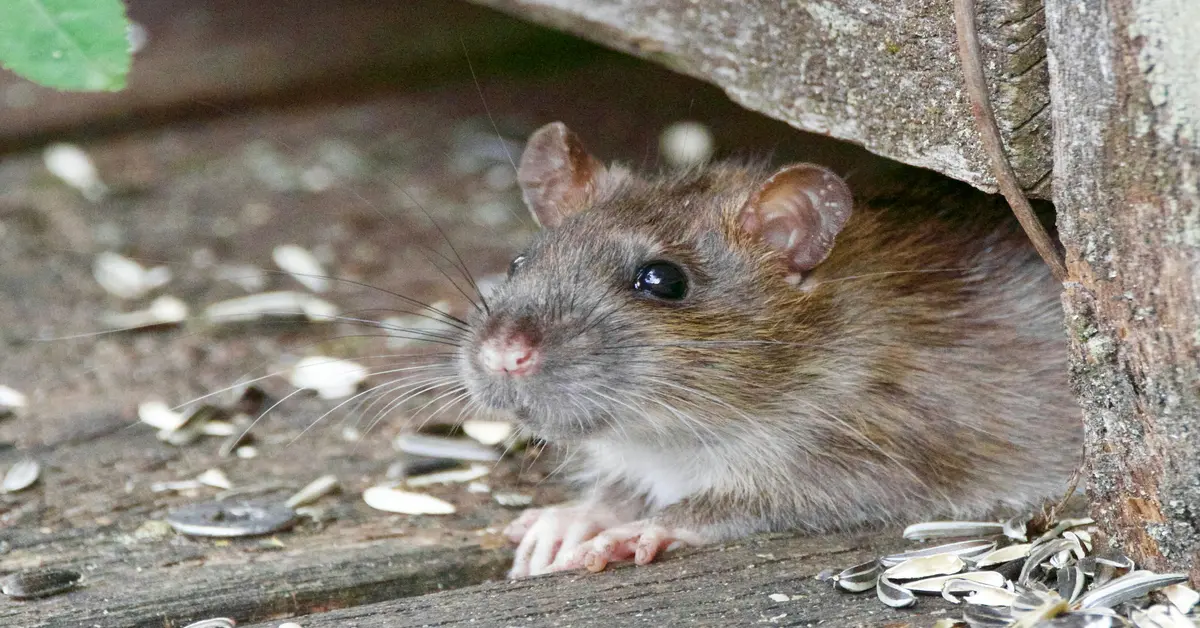

Are you battling a persistent mouse problem in your home or business? You’re not alone. Mice are notorious for invading spaces, causing damage, and posing health risks. The good news is that effective solutions exist, and among the most reliable are mouse bait stations. These clever devices are designed to safely and efficiently eliminate rodent infestations, providing peace of mind. Understanding how to choose, place, and maintain mouse bait stations is crucial for successful rodent control. This guide will walk you through everything you need to know to harness the power of bait stations and reclaim your space from unwanted guests.
Investing in quality mouse bait stations is a proactive step towards a rodent-free environment. They offer a secure way to deploy rodenticides, keeping pets and children safe while targeting mice directly. With the right strategy, you can quickly and effectively manage even stubborn infestations.
Why Choose Mouse Bait Stations for Rodent Control?
Mouse bait stations are a cornerstone of effective rodent management for several compelling reasons. Firstly, they provide a secure housing for rodenticides, protecting non-target animals like pets and curious children from accidental exposure. This safety feature is paramount for any household or business. Secondly, bait stations are designed to be tamper-resistant, meaning once the bait is inside, it stays inside until consumed by a mouse. This minimizes the risk of bait being scattered or moved to unwanted areas.
Furthermore, these stations are often weather-resistant, making them suitable for both indoor and outdoor use. They are discreet, blending into various environments without drawing unnecessary attention. Their design encourages mice to enter, feed on the bait, and then leave, often returning to their nests where the rodenticide takes effect. This method is highly efficient and less messy than traditional traps, offering a cleaner solution to rodent problems.
The Science Behind Effective Baiting
The success of mouse bait stations lies in understanding mouse behavior. Mice are naturally curious but cautious, often exploring new objects in their environment. Bait stations capitalize on this by providing an attractive, enclosed space that feels safe for them to enter and feed. The bait itself is formulated to be highly palatable to mice, ensuring they consume a lethal dose. Different types of rodenticides work in various ways, but all aim to eliminate the mouse population effectively over a short period.
Selecting the Right Mouse Bait Stations
Choosing the appropriate mouse bait stations is critical for achieving optimal results. Several factors should influence your decision, including the severity of your infestation, the environment (indoor/outdoor), and the presence of children or pets. Hard plastic, tamper-resistant stations are ideal for areas accessible to children or pets, offering maximum security. For less sensitive areas, simpler, disposable stations might suffice.
Consider the size of the bait station. Larger stations can hold more bait, which is beneficial for heavy infestations, reducing the frequency of refills. Smaller stations are more discreet and can be placed in tighter spots. Also, consider the type of bait compatible with the station. Some stations are designed for block baits, while others can accommodate soft baits or pellets. Always ensure the bait chosen is effective against mice and suitable for the station’s design.
Strategic Placement of Mouse Bait Stations
Effective placement is perhaps the most crucial aspect of using mouse bait stations. Mice tend to travel along walls, in corners, and in secluded areas. Therefore, place bait stations against walls, in dark corners, under sinks, behind appliances, and in other areas where you’ve noticed signs of mouse activity (droppings, gnaw marks, runways).
For outdoor use, position stations near entry points to your home, along fences, in sheds, and near garbage areas. Space stations approximately 10-20 feet apart, depending on the severity of the infestation. It’s better to use more stations with less bait in each than fewer stations with a lot of bait. Regularly check and refill stations, as consistent bait availability is key to success. Patience is also vital; it can take several days to a few weeks to see a significant reduction in mouse activity.

Maintaining and Monitoring Your Bait Stations
Once your mouse bait stations are in place, consistent maintenance and monitoring are essential. Check your stations every few days, especially during the initial stages of treatment. Look for signs of bait consumption and replenish as needed. If bait is consistently disappearing, it indicates significant mouse activity in that area, and you might consider adding more stations.
Periodically inspect the bait itself. If it becomes old, moldy, or insect-infested, mice will be less likely to consume it. Replace any compromised bait with fresh supplies. Also, ensure the stations remain securely closed and tamper-resistant. Clean stations periodically, especially if they become dirty or accumulate debris, as this can deter mice. Consistent monitoring helps you track the effectiveness of your rodent control efforts and make necessary adjustments.
Frequently Asked Questions About Mouse Bait Stations
How long do mouse bait stations take to work?
It typically takes several days to a week for the bait to take effect, as most rodenticides are designed for gradual action to prevent bait shyness.
Are mouse bait stations safe for pets and children?
When used correctly, tamper-resistant mouse bait stations are designed to be safe, preventing access to the bait by non-target animals and children. Always follow manufacturer instructions.
Where should I place outdoor mouse bait stations?
Place them along exterior walls, near potential entry points, in gardens, sheds, and garbage areas, always out of reach of pets and children.
How often should I check and refill my bait stations?
During an active infestation, check stations every 2-3 days and refill as needed. Once activity decreases, checking once a week may suffice.
What should I do with dead mice found near bait stations?
Always dispose of dead mice safely, wearing gloves, by placing them in a sealed plastic bag and putting them in the trash to prevent the spread of disease.
Conclusion: Reclaim Your Space with Mouse Bait Stations
Successfully combating a mouse infestation requires a strategic approach, and mouse bait stations are an indispensable tool in that fight. By understanding their benefits, choosing the right type, and implementing proper placement and maintenance, you can significantly reduce and eliminate rodent populations in your home or business. Remember, consistency and vigilance are key to long-term success. Don’t let mice take over your property; take control with effective baiting strategies. Implement these tips today and enjoy a rodent-free environment. For more expert advice on pest control solutions, explore our other resources.