
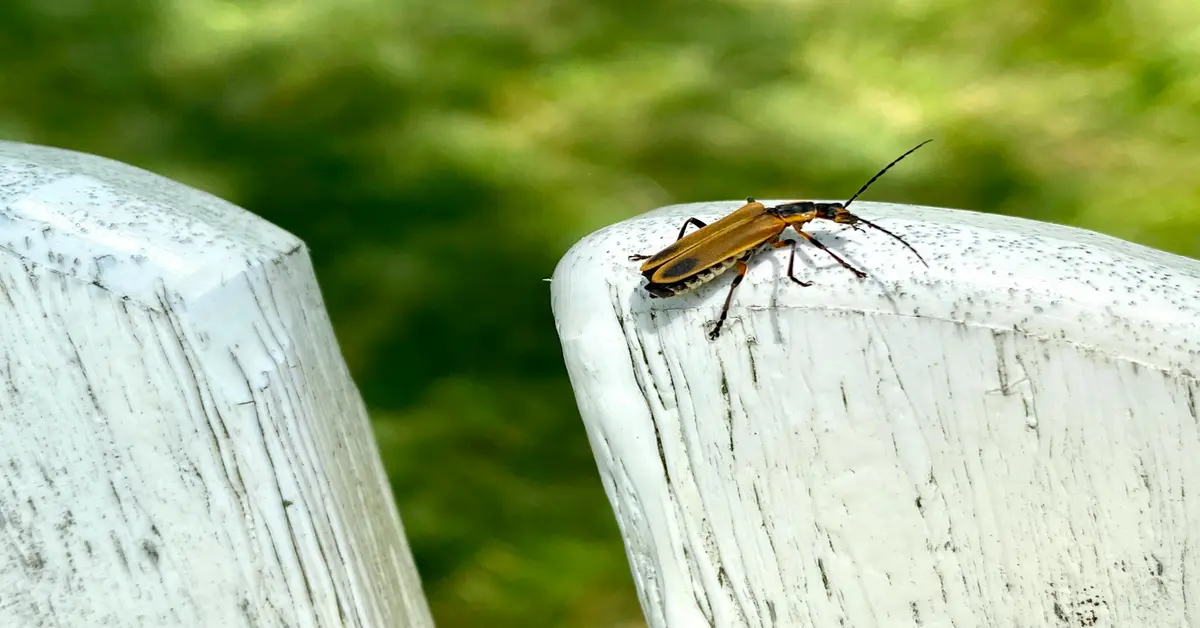
Discovering tiny beetles in house can be an unsettling experience. These minuscule invaders, often mistaken for other small black bugs in house, can silently infiltrate our living spaces, from kitchens to bedrooms. While many are harmless, some can cause damage to food, fabrics, or even structural elements. Understanding these common household pests is the first step toward effective management and prevention. This guide will help you identify common types of tiny beetles, understand why they might be in your home, and provide actionable strategies to eliminate them and keep them from returning.
These little critters might seem insignificant individually, but an infestation can quickly become a nuisance. We’ll delve into practical, eco-friendly solutions and professional tips to ensure your home remains a sanctuary, free from unwanted insect guests. Say goodbye to the mystery of those small black bugs in house and empower yourself with the knowledge to maintain a pest-free environment.
Identifying Common Tiny Beetles in House
When you spot tiny beetles in house, the first question is always: what kind are they? Several common species frequently make their way indoors. Carpet beetles are a prime suspect, known for their love of natural fibers like wool, silk, and leather. They are often oval-shaped and can be black, brown, or mottled. Drugstore beetles and cigarette beetles are pantry pests, small, reddish-brown, and usually found in food storage areas, spices, and dried goods. Flour beetles, another pantry nuisance, are reddish-brown and flat. Accurately identifying the specific type of beetle is crucial for effective treatment, as their habits and preferred food sources vary.
Carpet Beetles vs. Pantry Beetles
Distinguishing between carpet beetles and pantry beetles is key. Carpet beetles often leave behind shed skins and cause damage to textiles, while pantry beetles will be found in food items, leaving behind fine dust or holes in packaging. Observing where you find these small black bugs in house and what they are attracted to can provide significant clues for identification.
Why Are Tiny Beetles Attracted to Your Home?
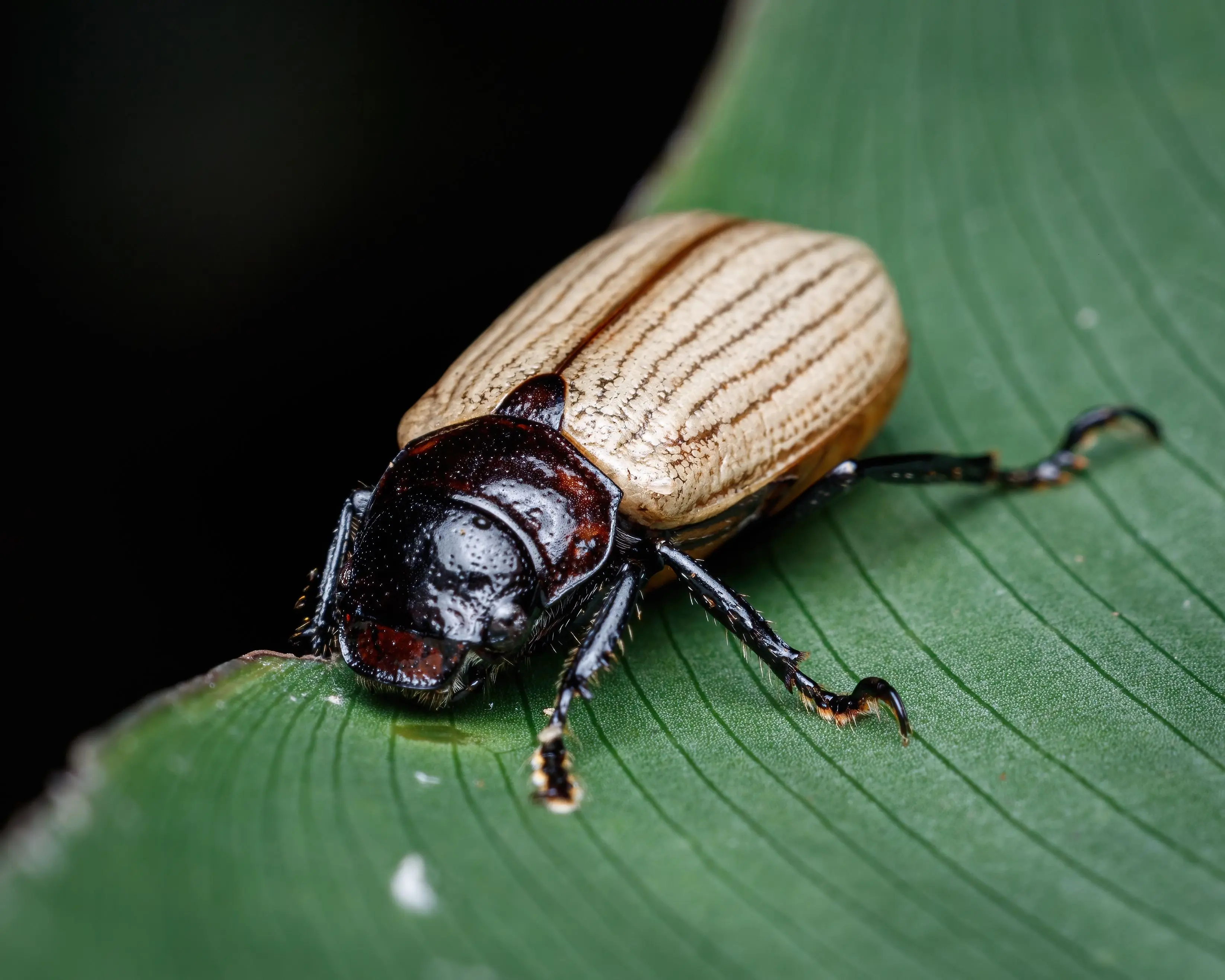
Tiny beetles don’t just appear out of nowhere; they are drawn to specific conditions and resources within your home. Food sources are a major attractor for pantry beetles, including spilled grains, pet food, dry pasta, and even spices. Carpet beetles are drawn to natural fibers, lint, pet hair, and even dead insects. Moisture can also be a factor, attracting certain species looking for damp environments. Entry points play a significant role; cracks in foundations, gaps around windows and doors, and even hitchhiking on groceries or secondhand items can provide access. Understanding these attractants is vital for preventing future infestations of small black bugs in house.

Effective Strategies for Eliminating Tiny Beetles
Once you’ve identified the presence of tiny beetles in house, it’s time for action. For pantry pests, immediate action involves discarding infested food items, thoroughly cleaning pantry shelves with soap and water, and storing new food in airtight containers. For carpet beetles, a rigorous vacuuming regimen, especially under furniture and along baseboards, is essential. Steam cleaning carpets and upholstery can also help. For all types of tiny beetles, sealing entry points like cracks and gaps can prevent future invasions. Consistent cleaning and reducing clutter also play a significant role in making your home less hospitable to these pests.
Preventing Future Tiny Beetle Infestations
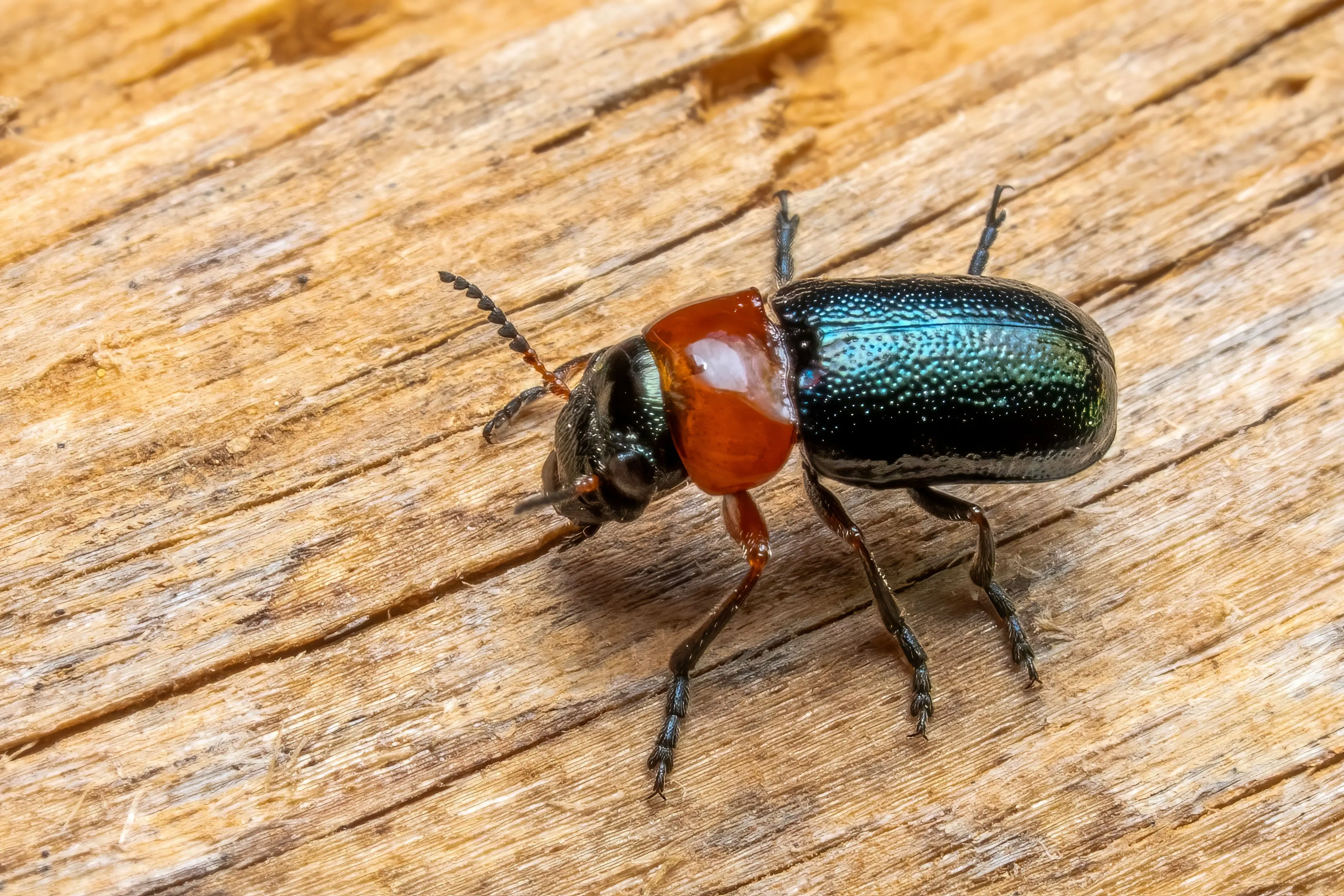
Prevention is always better than cure when it comes to tiny beetles in house. Start by maintaining excellent sanitation, particularly in kitchens and food storage areas. Regularly inspect and clean pantries, vacuum frequently, and clean up spills promptly. Store all dry goods, including pet food, in sealed, pest-proof containers. Repair any leaks or moisture issues in your home. Inspect secondhand furniture, clothing, or other items before bringing them indoors. By proactively addressing potential attractants and entry points, you can significantly reduce the likelihood of encountering these small black bugs in house again.

When to Call Professional Pest Control
While many tiny beetle infestations can be managed with DIY methods, there are times when professional help is necessary. If you’re dealing with a large-scale infestation that seems to be spreading, or if you’ve tried various methods without success, it might be time to contact a pest control expert. Professionals can accurately identify the specific species, locate hidden breeding grounds, and apply targeted treatments that are more effective and long-lasting. They can also offer advice on preventing future occurrences, giving you peace of mind and a truly pest-free home. Don’t hesitate to seek expert assistance if the problem of tiny beetles in house becomes overwhelming.
FAQ: Dealing with Tiny Beetles in House
What are these tiny black bugs in my house?
These are likely carpet beetles, drugstore beetles, cigarette beetles, or flour beetles. Identification depends on their location and what they’re attracted to.
Are tiny beetles in house harmful?
Most common household beetles are not harmful to humans or pets, but they can damage food, fabrics, and stored items.
How do I get rid of tiny beetles in my pantry?
Discard infested food, clean pantry shelves thoroughly, and store new food in airtight containers. Use pheromone traps if available for specific pantry pests.
Can I prevent tiny beetles from coming into my house?
Yes, by maintaining good sanitation, sealing cracks and gaps, storing food in airtight containers, and inspecting items before bringing them inside.
When should I call an exterminator for tiny beetles?
If you have a large, persistent infestation, or if DIY methods are not working, it’s best to call a professional pest control service.
Conclusion: Reclaiming Your Home from Tiny Beetles
Dealing with tiny beetles in house can be a frustrating challenge, but with the right knowledge and consistent effort, you can effectively eliminate them and prevent their return. By understanding their attractants, implementing thorough cleaning routines, and sealing off entry points, you create an environment that is unwelcome to these small black bugs in house. Remember, vigilance is key; regular inspections and prompt action at the first sign of pests can save you a lot of trouble down the line. Take control of your home and enjoy a pest-free living space once again. Stay proactive and keep your home protected from these minuscule intruders.