
When your beautiful vinyl fence starts showing signs of wear and tear, it doesn’t always mean a complete overhaul. Often, strategically replacing a few damaged vinyl fence replacement boards can restore its aesthetic appeal and structural integrity, saving you time and money. This comprehensive guide will delve into everything you need to know about making smart decisions regarding vinyl fence replacement boards. We’ll explore the benefits, the process, critical considerations like matching existing panels, and even touch upon the costs associated with these essential repairs. Understanding when and how to replace individual components can empower you to maintain your property’s curb appeal effectively and efficiently without the substantial investment of installing an entirely new fence. Let’s dive into the world of seamless fence restoration and discover how easy it can be to keep your vinyl fence looking pristine for years to come.
Ignoring damaged vinyl fence sections can lead to bigger problems, including compromised security, reduced property value, and an eyesore that detracts from your home’s overall charm. By focusing on targeted replacements, you can address issues proactively. This guide aims to equip you with the knowledge to identify when a repair is sufficient, understand the various types of replacement parts available, and navigate the selection process to ensure a perfect match for your existing installation. From minor cracks to significant breaks, we’ll cover the nuances of bringing your fence back to life, one board at a time. The goal is a durable, attractive fence that stands strong against the elements and enhances your outdoor living space.
Why Invest in Vinyl Fence Replacement Boards?
Investing in vinyl fence replacement boards offers numerous compelling advantages over a full fence replacement. Firstly, the cost savings are substantial. Replacing only the damaged sections significantly reduces material and labor expenses compared to tearing down and rebuilding an entire fence line. This makes it a highly economical choice for homeowners looking to extend the lifespan of their existing fence without breaking the bank. Secondly, it’s an environmentally friendly option. By repairing rather than replacing, you minimize waste sent to landfills, contributing to a more sustainable approach to home maintenance. Reusing viable fence components is a small but impactful way to reduce your carbon footprint.
Furthermore, targeted replacement preserves the continuity and aesthetic of your yard. If the majority of your fence is in good condition, replacing a few panels keeps the uniform look intact. This is particularly important for newer fences or those with unique designs that are difficult or expensive to replicate entirely. It also means less disruption to your landscaping and daily life, as repairs are typically quicker and less invasive than a complete installation. The process is often straightforward enough for ambitious DIYers, further reducing costs, though professional installation ensures a perfect match and secure fit. Understanding these benefits highlights why focusing on vinyl fence replacement boards is a smart, strategic decision for long-term property upkeep.
Identifying When to Replace vs. Repair
Knowing when to opt for vinyl fence replacement boards versus attempting a repair is crucial. Minor cracks, small chips, or surface-level scratches can often be fixed with specialized vinyl repair kits or patching compounds. These solutions are generally cost-effective and can restore the board’s appearance and structural integrity for minor damage. However, if a board exhibits significant damage such as large cracks that penetrate completely through, severe sun warping, discoloration that can’t be cleaned, or impacts that have shattered the vinyl, replacement is usually the better option. Attempting to repair extensive damage often results in a weak, unsightly patch that won’t last.
Another key indicator is structural compromise. If a board is bending excessively, has lost its original shape, or if the interlocking mechanisms with adjacent panels are failing, it indicates a need for a new board. These issues can affect the entire fence’s stability. While a quick fix might seem appealing, it’s essential to consider the long-term effectiveness and appearance. A properly matched replacement board will blend seamlessly and offer the same durability as the original, ensuring your fence remains robust and attractive. Evaluate the extent of the damage carefully; if in doubt, consulting a professional can help determine the most appropriate course of action for your vinyl fence replacement boards.

Sourcing the Right Vinyl Fence Replacement Boards
Finding the perfect vinyl fence replacement boards requires careful consideration to ensure a seamless match with your existing fence. The first step involves identifying the specific manufacturer and product line of your current fence, if possible. This information is often found on original purchase documents or sometimes stamped on the fence components themselves. Matching the exact brand and model is the best way to guarantee consistency in color, texture, and profile. Vinyl fence panels from different manufacturers, even if they appear similar, can have subtle variations in formulation, finish, and dimensions that will stand out once installed.
If the original manufacturer cannot be determined, you’ll need to take precise measurements of the existing boards. This includes height, width, and thickness. Pay close attention to the unique profile or shape of the board edges, as this determines how they interlock with other panels and posts. Many fencing suppliers carry a wide range of generic or universal vinyl fence replacement boards, but a careful comparison is still necessary. Bring a sample piece of your damaged board if possible, or high-quality photos, to a local fencing supply store. They can often help you identify the closest match. Consider also the age and weathering of your existing fence; a brand new replacement board might appear slightly different in color due to natural fading of the older sections, but this difference typically blends over time.
Understanding Vinyl Fence Panels and Their Components
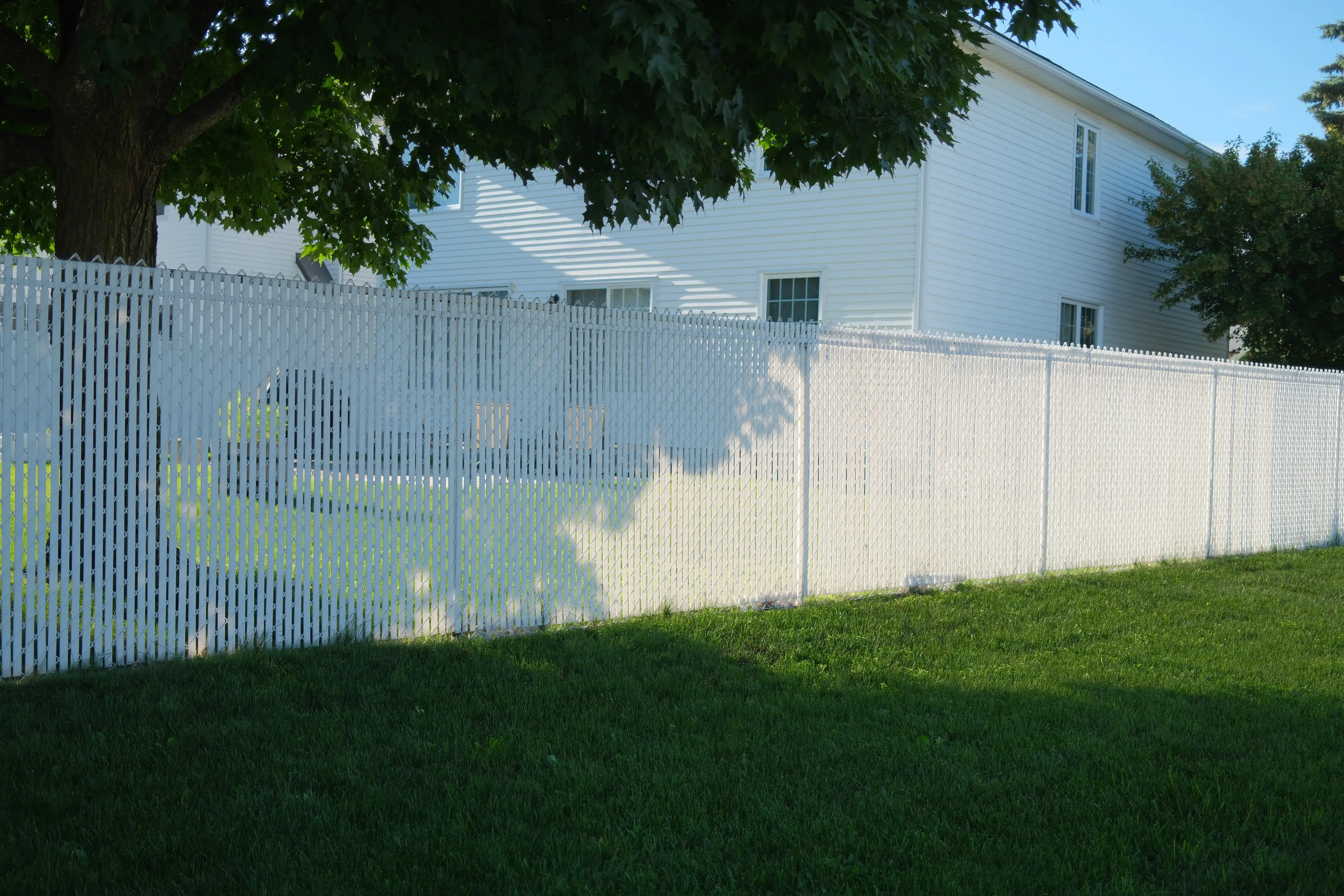
When discussing vinyl fence panels, it’s important to understand they are typically comprised of several key components, not just individual boards. A standard vinyl fence panel usually includes pickets (the individual vertical boards), rails (horizontal supports that the pickets attach to), and sometimes a bottom rail insert for added stability. When you need replacement boards, you are often looking for the individual vertical pickets or sometimes a section of a horizontal rail. Full vinyl fence panels are much larger sections, usually 6 or 8 feet wide, designed for new installations or extensive damage. However, often a single damaged picket can be enough to warrant repair. Understanding these distinctions helps in accurately communicating your needs to suppliers and ensures you purchase the correct parts.
Additionally, vinyl fences come in various styles: privacy, semi-privacy, picket, and ranch rail. Each style utilizes different types of vinyl fence replacement boards and panel configurations. A privacy fence, for example, uses tongue-and-groove or overlapping pickets to eliminate gaps, while a picket fence has distinct spaces between each vertical board. Knowing your fence style is crucial for finding compatible components. Ensure that the replacement parts you select are not only the correct size and color, but also designed for your specific fence style to ensure proper fit and structural integrity. This attention to detail will prevent costly mistakes and guarantee a seamless repair.
The Installation Process for Vinyl Fence Replacement Boards
Replacing vinyl fence replacement boards is a task that can often be handled by a determined homeowner, though professional installation ensures precision. The process generally involves a few key steps. First, carefully remove the damaged board. Depending on your fence style, this might involve carefully prying apart tongue-and-groove connections, unscrewing fasteners, or gently sliding the board out of the rail channels. It’s crucial to avoid damaging adjacent boards or posts during this step. Take your time and use appropriate tools, such as a pry bar, screwdriver, or rubber mallet, ensuring you’re working with the material gently to prevent further issues.
Once the damaged board is out, thoroughly clean the area where the new board will be inserted. Remove any dirt, debris, or old sealant. This ensures a clean fit and prevents any obstructions that could compromise the integrity of the replacement. Next, carefully slide the new vinyl fence replacement board into place, ensuring it aligns perfectly with the adjacent boards and fits snugly into the rail channels. Depending on the design, you might need to apply a small amount of force or use a rubber mallet to tap it into position. Some boards may require fasteners or adhesive; always follow the manufacturer’s specific installation guidelines if available. A proper installation ensures the replacement board not only looks good but also provides the same level of structural support and privacy as the original components.
Ensuring a Perfect Match: Color and Texture
Achieving a perfect match in color and texture for your vinyl fence replacement boards can be one of the trickiest aspects of the repair process. Vinyl fences, especially those exposed to direct sunlight over several years, can undergo a phenomenon known as “UV fading.” This means your existing fence might a slightly lighter shade than brand-new replacement boards, even if they come from the same manufacturer and color batch. To minimize this visual discrepancy, consider cleaning the entire fence thoroughly before installation. This can sometimes bring out the original color of the older sections, making the new boards blend in more effectively.
When purchasing, always ask for samples if possible, or at least verify the product’s UV resistance and color stability. Some manufacturers offer “weathered” or “aged” replacement panels specifically designed to better match older fences. If a perfect color match isn’t immediately achievable, remember that vinyl fences continue to weather and fade over time. A slightly lighter new board will likely blend in adequately within a few months of sun exposure. Texture matching is equally important for a seamless look. Ensure the replacement board has the same smooth or embossed finish as your existing fence sections. Minor variances in texture can be more noticeable than slight color differences, so pay close attention to these details.

Cost Considerations for Vinyl Fence Replacement Boards
Understanding the costs associated with vinyl fence replacement boards is crucial for budgeting your repair project. The price of individual boards can vary significantly based on several factors: the manufacturer, the specific style (e.g., privacy vs. picket), the length and width of the board, and the quality of the vinyl material itself. Generally, expect to pay anywhere from $15 to $50 per individual picket for standard vinyl fence replacement boards. Specialty or custom-sized boards, or those with unique finishes, may fall on the higher end of this spectrum. When calculating your budget, remember to account for any additional hardware you might need, such as screws or clips, and potentially a small amount of adhesive.
Comparing these costs to the price of entire vinyl fence panels highlights the savings. A complete 6-foot or 8-foot vinyl fence panel can range from $100 to $300 or more, not including posts or installation labor. Replacing just a few boards can therefore offer substantial savings. If you opt for professional installation, factor in labor costs, which typically range from $50 to $100 per hour or a flat rate per board, depending on the complexity. While DIY offers maximum savings, consider the value of professional experience in ensuring a flawless match and secure installation. Always obtain multiple quotes from different suppliers and installers to ensure you’re getting a competitive price for your vinyl fence replacement boards.
Maximizing Longevity of Vinyl Fence Panels
Once you’ve invested in vinyl fence replacement boards and completed your repair, taking steps to maximize the longevity of your entire fence, including the new panels, is key. Regular cleaning is paramount. Vinyl fences are low maintenance, but they aren’t no maintenance. Washing your fence a few times a year with a mild soap and water solution, or a specialized vinyl fence cleaner, can prevent mold, mildew, and accumulated dirt from staining the material and eroding its protective layer. This also helps keep the color consistent across both old and new sections.
Inspect your fence periodically for any new signs of damage, loose components, or discoloration. Addressing small issues promptly can prevent them from escalating into larger, more costly repairs. Trim back any foliage or tree branches that are constantly rubbing against the fence, as this friction can cause abrasion and weaken the vinyl over time. Furthermore, avoid using harsh chemicals or abrasive cleaning tools, which can scratch or strip the vinyl’s finish. By following these simple maintenance practices, you can significantly extend the life of your vinyl fence panels, including your newly installed replacement boards, ensuring your investment continues to enhance your property’s beauty and security for many years to come.
Frequently Asked Questions About Vinyl Fence Replacement
How difficult is it to replace vinyl fence boards myself?
The difficulty of replacing vinyl fence boards depends on the fence style and your DIY experience. Simple picket fences where boards slide in and out of channels are relatively easy. Tongue-and-groove privacy fences might require more care to pry apart without damaging adjacent boards. With basic tools and patience, many homeowners can handle it, but always follow instructions or consult a professional if unsure.
Can I mix and match different brands of vinyl fence replacement boards?
While technically possible, mixing different brands of vinyl fence replacement boards is generally not recommended. Even “standard” sizes can have slight variations in dimensions, color, finish, and locking mechanisms, leading to an inconsistent look and potentially compromising the fence’s structural integrity. Sticking to the original manufacturer or a verified compatible supplier is always the best approach for seamless integration.
How long do vinyl fence replacement boards typically last?
High-quality vinyl fence replacement boards are designed to last as long as the original fence, often 20-30 years or more, with proper maintenance. They are engineered to be highly durable, weather-resistant, and UV-stabilized. The lifespan can be affected by extreme weather conditions, impact damage, or lack of cleaning, so regular care is essential.
Are vinyl fence replacement boards covered by warranty?
Many vinyl fence manufacturers offer limited lifetime warranties on their components, which can include replacement boards. However, “wear and tear” or damage from improper installation, neglect, or acts of nature (like storms) are typically not covered. Always check the specific warranty details of the vinyl fence replacement boards you purchase to understand what is included.
What should I do if my existing vinyl fence color has faded significantly?
If your existing vinyl fence has significantly faded, installing a brand-new, brighter vinyl fence replacement board might create a noticeable contrast. Consider cleaning the entire fence thoroughly, as this can sometimes restore some of the original color. Some manufacturers offer “weathered” shades or you might need to embrace the slight color difference, which will often blend over time as the new board also experiences sun exposure.
Conclusion: The Smart Choice for Your Fence
Choosing to utilize vinyl fence replacement boards is a pragmatic and cost-effective approach to maintaining the beauty and functionality of your property. Rather than committing to the significant expense and disruption of a full fence overhaul, targeted replacements allow you to address specific issues with precision. This not only saves you money on materials and labor but also minimizes environmental impact by extending the life of your existing vinyl fence panels. By carefully matching the original design, understanding the proper installation techniques, and considering the nuances of color and texture, you can ensure a seamless repair that restores your fence to its former glory.
Regular maintenance, including cleaning and periodic inspections, will further maximize the longevity of both your original and newly installed vinyl fence replacement boards, protecting your investment for decades. Don’t let a few damaged sections detract from your curb appeal or compromise your privacy. By making informed decisions about vinyl fence replacement boards, you can confidently keep your fence looking pristine and functioning perfectly. Invest wisely in targeted replacements and enjoy a beautiful, durable fence that enhances your home’s aesthetic and value for years to come.