
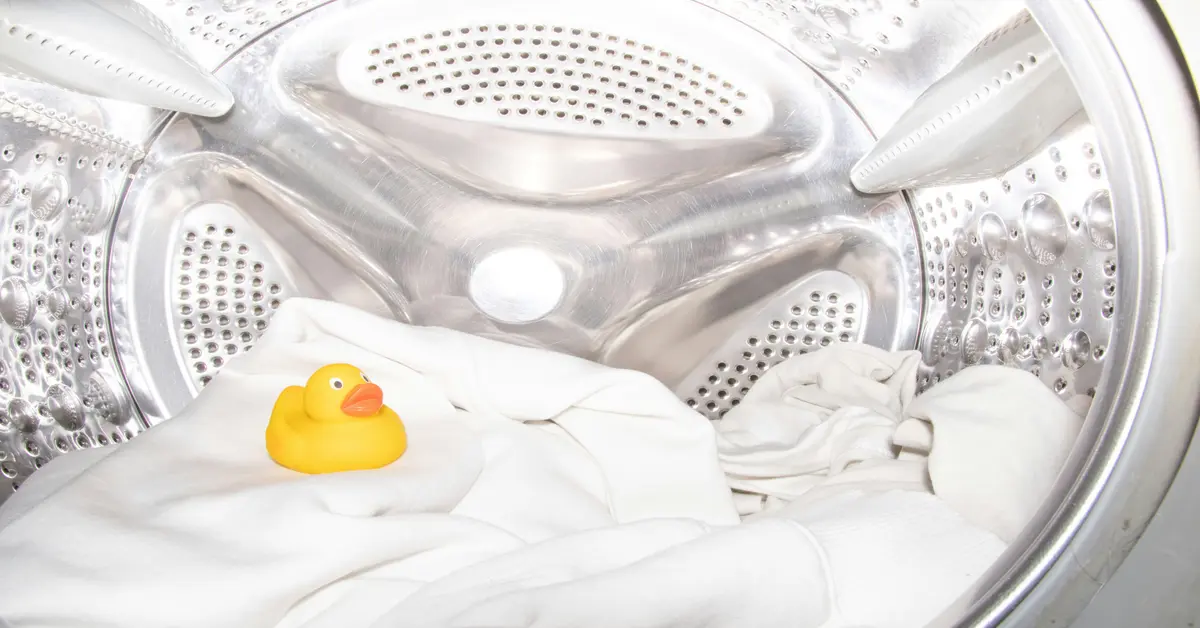
When your washer does not spin or drain, it’s more than just an inconvenience; it can halt your entire laundry routine. This common issue often signals a blockage, a malfunctioning component, or an overloaded machine. Understanding the root cause is the first step toward getting your washing machine back in working order. Don’t let a pile of soaking wet clothes ruin your day! With a bit of troubleshooting, you can often identify and resolve these problems yourself, saving you the expense of a professional repair. Let’s dive into the most common culprits and how to tackle them efficiently.
Common Reasons Your Washing Machine Isn’t Spinning or Draining
Several factors can lead to your washing machine not spinning or draining. One of the most frequent causes is a clogged pump or drain hose. Lint, small garments, or even coins can obstruct the flow of water, preventing proper drainage and thus, the spin cycle. Another common issue is an overloaded machine. Too many clothes can throw the washer off balance, triggering a safety shut-off that stops the spin cycle. Furthermore, a faulty lid switch or door latch will prevent the machine from operating, as it’s a safety feature to ensure the door is securely closed before spinning.
Overloading and Balance Issues
An unbalanced load is a prime suspect when your washer refuses to spin. If clothes are unevenly distributed, especially heavy items like towels or jeans, the machine can detect this imbalance and stop to prevent damage. Always try to distribute laundry evenly and avoid cramming too many items into a single wash. Reduce the load size and redistribute the clothes manually. Sometimes, simply opening and closing the lid (for top-loaders) or door (for front-loaders) can reset the cycle if it was a minor imbalance issue.
Inspecting the Drain Hose and Pump filter
If your washer does not spin or drain, the drain hose and pump filter are crucial areas to check. The drain hose, often found at the back of the machine, can become kinked, bent, or clogged with debris. Disconnect it and check for any obstructions. Similarly, the pump filter, usually located at the bottom front of your washing machine behind a small access panel, can trap lint, coins, or other small items. Always have towels ready as some water may escape when you remove the filter. Regularly cleaning this filter can prevent future drainage problems.

Checking the Lid Switch or Door Latch
For safety reasons, washing machines are equipped with a lid switch (top-loaders) or a door latch mechanism (front-loaders) that must be engaged for the spin cycle to activate. If this component is faulty or misaligned, your washer will not spin or drain. You can often test the lid switch with a multimeter if you’re comfortable with basic electrical tests. For door latches, visually inspect for any damage or misalignment. Sometimes, simply ensuring the door is firmly closed and latched can resolve the issue. If it’s broken, replacement is usually necessary.
Troubleshooting a Faulty Drive Belt or Motor
Less common but still possible, a broken or worn-out drive belt can prevent the drum from spinning. This belt connects the motor to the transmission and is essential for the spin cycle. You may hear the motor running but the drum remains stationary. Accessing the drive belt often requires removing the back or front panel of the washing machine. Similarly, a malfunctioning motor or capacitor can also be the culprit. These repairs are generally more complex and might warrant professional assistance if you’re not experienced with appliance repair.

Washer Does Not Spin or Drain: FAQ
Why is my washing machine not spinning or draining completely?
Your washing machine may not be spinning or draining completely due to a clogged drain pump filter, a kinked drain hose, an overloaded or unbalanced load, or a faulty lid switch/door latch.
How do I unclog a washing machine drain hose?
First, disconnect the drain hose from the machine and the standpipe. Inspect it for visible obstructions. You can try flushing it with water or using a plumber’s snake to dislodge any blockages.
Where is the drain pump filter located on a washing machine?
The drain pump filter is typically located at the bottom front of your washing machine, behind a small access panel. Consult your appliance’s manual for its exact location.
Can an unbalanced load prevent a washing machine from spinning?
Yes, an unbalanced load is a very common reason. Modern washing machines have sensors that will stop the spin cycle if the load is unevenly distributed to prevent damage.
When should I call a professional for my washer not spinning or draining?
If you’ve checked the drain hose, pump filter, and lid switch/door latch, and the problem persists, or if you suspect an issue with the motor or drive belt, it’s best to call a qualified appliance repair technician.

Conclusion: Get Your Washer Spinning Again!
Dealing with a washer does not spin or drain issue can be frustrating, but many common causes are easily fixable with a bit of DIY troubleshooting. From clearing a clogged drain filter to redistributing an unbalanced load, you can often get your appliance back on track without needing a service call. Regular maintenance, such as cleaning the pump filter and ensuring balanced loads, can also prevent these problems from recurring. If, after trying these solutions, your washing machine still isn’t performing as it should, don’t hesitate to consult a professional. Regain control of your laundry day!